REVIEW · MADEIRA
Camacha: Levada Trail e-Bike Guided Tour
Book on GetYourGuide →Operated by Madeira Island Route · Bookable on GetYourGuide
A good ride on Madeira starts with water. This Camacha to Levada route uses an e-bike to bring you into forest trails, past bridges, and under thick trees that smell amazing. I really like the small group size (max 8), which keeps things calm and lets the guide adjust the pace for the group. I also like that the guide teaches what you’re seeing—flora, fauna, and how the island’s levadas shaped daily life. One thing to plan for: the tour runs rain or shine, so expect mud if the weather turns.
Your best bet here is practical nature time with just enough adventure. You get a guided mountain ride that feels doable for many fitness levels thanks to motor assist, but you still ride narrow paths and dirt sections where balance helps. If you’re hoping for a flat, stroller-style stroll, this isn’t that. If you want a real “Madeira by bike” moment without needing hardcore training, it fits.
In This Review
- Key Things You’ll Notice on This Camacha Levada E-Bike Tour
- Why Camacha’s Levada Trail Feels So Different From a Usual Tour
- Getting There and Timing: How the 3.5 Hours Actually Plays Out
- Camacha Start: Fields, Forest Smells, and Your First Taste of the Levada
- Santo da Serra Market Stop: A Breather With Local Texture
- Eucalyptus Forest and Old Levada Bridges: The Section People Talk About
- Water Mill and the Funny-Shaped Tree Stop: Where the Ride Breathes
- Climbing Toward Santo da Serra: Dirt Road Power and Sheep Views
- The Oaks Descent and Back to the Levada: Finishing Strong
- Rain or Shine: What to Expect When the Weather Gets Messy
- E-Bikes, Comfort Setup, and Your Actual Skill Level
- Guide Quality: Friendly, Practical, and Quick When Things Change
- Price and Value: Is $82 Worth It for a Small-Group Forest Ride?
- Who Should Book This Camacha E-Bike Levada Tour
- Should You Book It? My Quick Decision Guide
- FAQ
- What’s the total time for the Camacha Levada e-bike tour?
- Does the tour run in bad weather?
- How big is the group?
- What’s included in the price?
- What do I need to bring?
- Is this tour suitable for kids or mobility limitations?
Key Things You’ll Notice on This Camacha Levada E-Bike Tour
- Max 8 riders means fewer bottlenecks on narrow trail and more attention when you need it
- Eucalyptus → Laurel forest brings big changes in smell, color, and the feeling of the woods
- Old levada bridges and a channel ride give you that classic Madeira water-trail look
- A viewpoint over Santo da Serra plus sheep sightings makes the climbs feel worth it
- Guide route changes in bad weather help you stay safe and still get a strong ride
- Well-maintained e-bikes with comfort setup (seat height and basic e-bike guidance) lowers the stress
Why Camacha’s Levada Trail Feels So Different From a Usual Tour
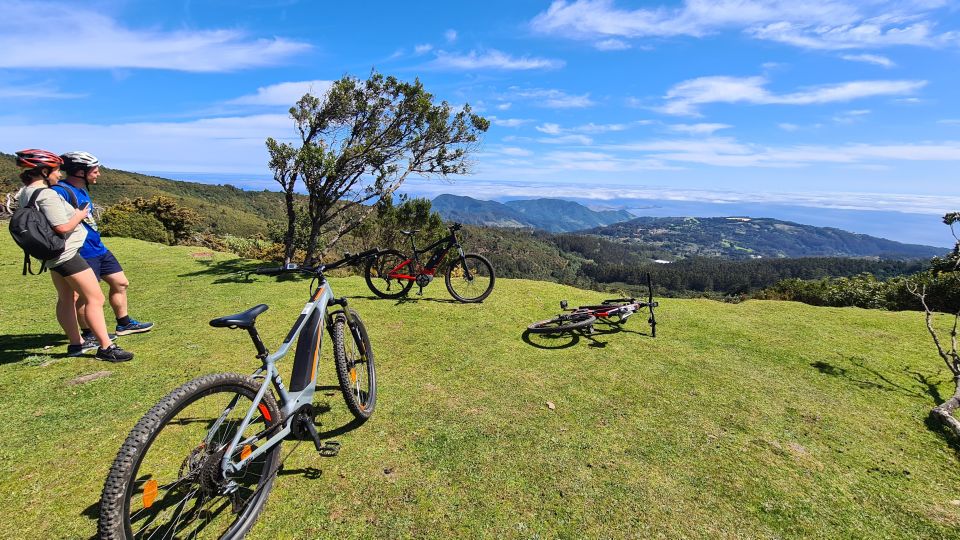
This is not a bus-to-a-lookout type of day. You move along the levada corridor, so you’re always in motion beside the waterway that defines so much of Madeira’s terrain. The guide focuses on what you’re riding through—tree types, plants, and the way the island manages its water—so it’s more than just scenery.
The e-bike matters here. The route includes hills and dirt road sections, and the motor assist helps you keep your breathing under control without turning the day into an all-out workout. In the reviews, people also mention the bikes are easy to ride and that the guide adjusts comfort so the experience feels smoother from the start.
The other big reason this tour hits: you get forest time that feels tucked away from the crowds. Between eucalyptus and laurel areas, the trail changes character. You also get that Madeira mix of cool air under trees and warmer light when you reach open viewpoints.
You can also read our reviews of more cycling tours in Madeira
Getting There and Timing: How the 3.5 Hours Actually Plays Out
The total duration is about 3.5 hours, and a van transfer (~30 minutes) is built in. You’ll pick up from one of seven locations (Ribeira Brava, Câmara de Lobos, Estreito da Calheta, Caniço, Ponta do Sol, Machico, or Funchal). Pickup is included, and you’re asked to be at the hotel lobby about 10 minutes before the scheduled time.
Then you ride in segments. The ride begins in Camacha, followed by time toward the Santo da Serra Market, and then a return that brings you back toward Camacha. The guide also controls the flow with rest stops, and in rough weather they may adjust the route to protect the group.
For planning your day, treat this as a morning or early-day activity rather than a late-afternoon add-on. You’ll want time after to warm up and change out of damp gear if it rains. In one review, people came back cold and wet—but felt the day was still worth it.
Camacha Start: Fields, Forest Smells, and Your First Taste of the Levada
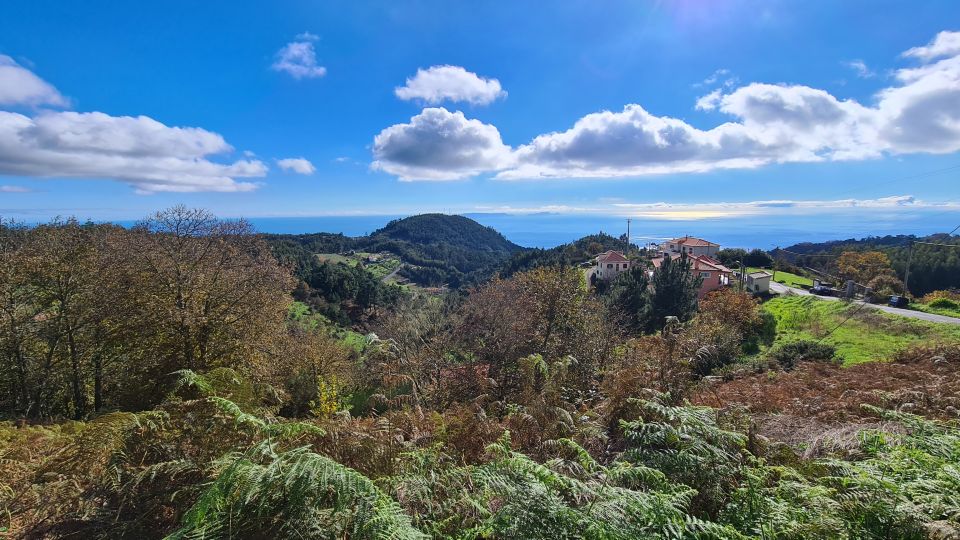
Camacha is the right place to start if you like your nature with a local face. You begin from a picturesque village setting, where you can see cultivated fields around Camacha before the trail pushes deeper. That first stretch helps you adjust to the bike and understand what the ride will feel like—trail motion, tree shade, and the steady water-channel vibe.
This is also where the tour starts delivering on “learn as you go.” The guide points out natural flora and explains the island context behind what you see. You’re not just biking through; you’re being guided through the logic of the ecosystem and the cultural side of the levadas.
This first phase also sets expectations for riding conditions. Even on an e-bike, you’ll be on paths that aren’t built for tourists in flip-flops. You’ll feel narrow trail moments and uneven ground depending on the weather, so sports shoes and breathable clothes aren’t optional.
Santo da Serra Market Stop: A Breather With Local Texture
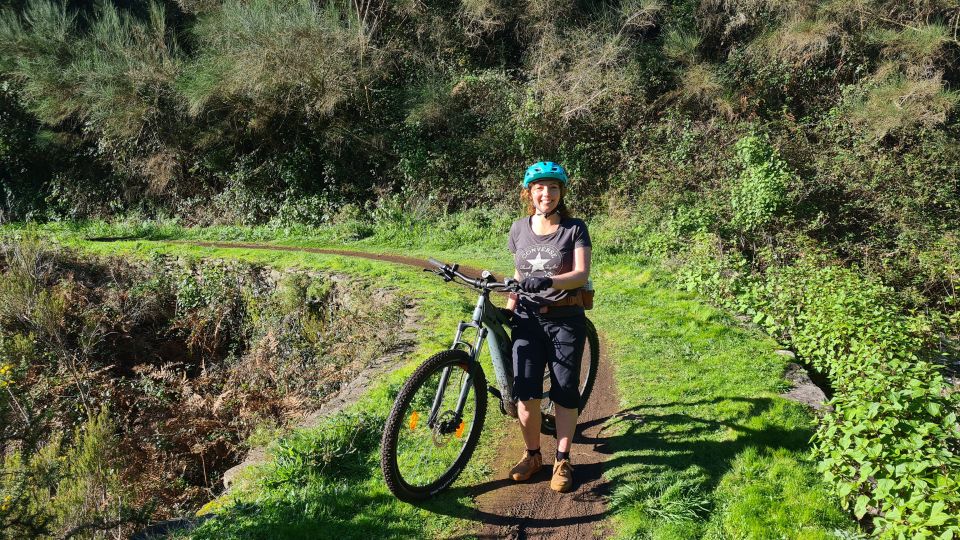
Mid-tour, you reach the Santo da Serra Market for another ride segment of about 45 minutes. Think of this as a rhythm reset. It breaks the ride into manageable parts, and it gives you a chance to catch your breath before the tougher climbing later.
You also get variety here. Madeira rides can blur together if you’re only in forest. A market stop adds a more human layer—local movement, the vibe of a real place—not just a nature corridor.
One practical note: with e-bikes, it’s easy to feel like you’re barely working. Keep an eye on your energy anyway. The motor helps, but the terrain still asks for balance and stable footing, especially if the ground is wet.
Eucalyptus Forest and Old Levada Bridges: The Section People Talk About
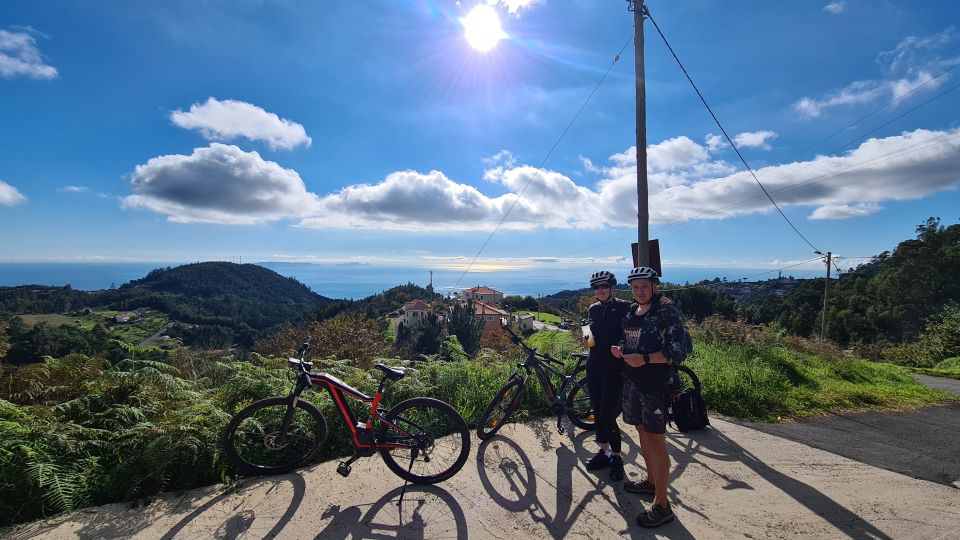
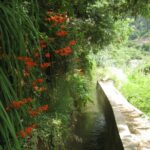
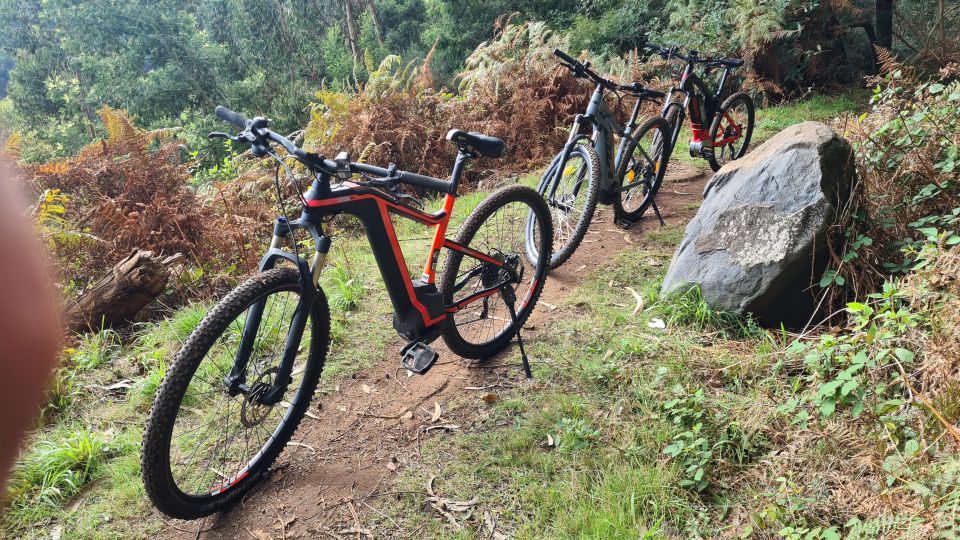
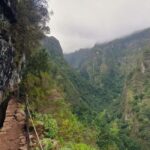
Once you move deeper into the route, the experience turns into the classic Madeira forest feel. You ride along the levada channel, crossing old bridges as the trail threads through eucalyptus forest. People really react to this part because it changes what you see every few minutes—wood, stone, water, and the way the channel sits beside the path.
Then comes the laurel forest. The tour describes reaching the laurel forest, considered a UNESCO Heritage Site. Even if you don’t come in as a forest-nerd, the change is noticeable: the air feels different under those trees, and the guide’s talk helps you connect the visual details to the island’s ecology.
And yes, you notice smell and color. The tour description talks about experiencing different perfumes and colors along the way, and that matches what you’d expect when eucalyptus and laurel share the same corridor. This is the part where your camera stays busy, but your attention also shifts to textures—bark, leaves, and that cool damp shade.
You can also read our reviews of more guided tours in Madeira

Water Mill and the Funny-Shaped Tree Stop: Where the Ride Breathes
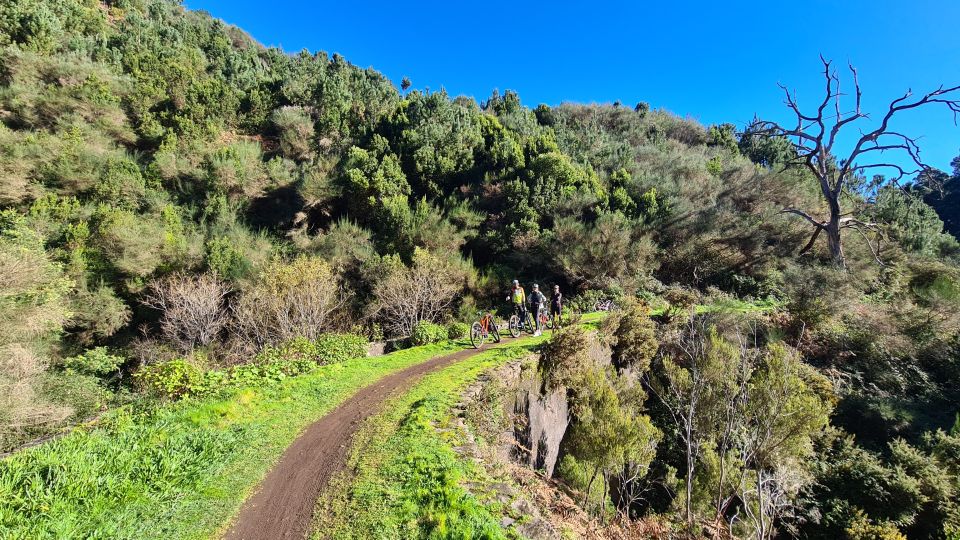
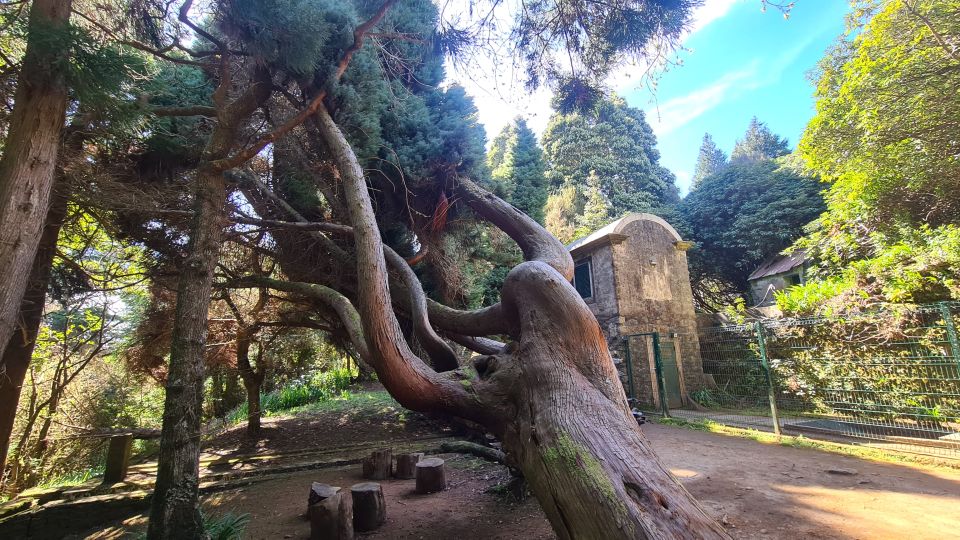
At one point, you’ll hit a rest break near a place known by a water mill and a funny-shaped tree. This stop matters because it gives you time to recover before the ride shifts into a climb. On e-bikes, you can lose track of how long you’ve been riding; breaks help you avoid getting stiff or making rushed mistakes later.
This also keeps the guide experience grounded. The best guides don’t just talk at you—they manage energy and pacing. Reviews mention the guide stopping to admire views and staying attentive to how riders are doing. That rest spot is part of that care.
If it’s raining, this is also where you’ll feel the ground change most. Mud and damp paths can make even a short pause feel welcome, because you’ll be adjusting your footing and keeping hands steady when you roll again.
Climbing Toward Santo da Serra: Dirt Road Power and Sheep Views
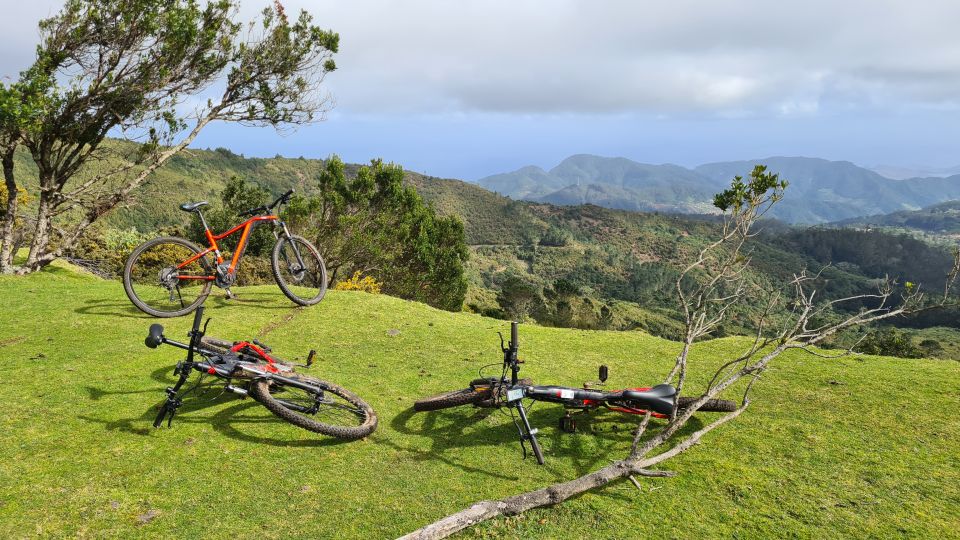
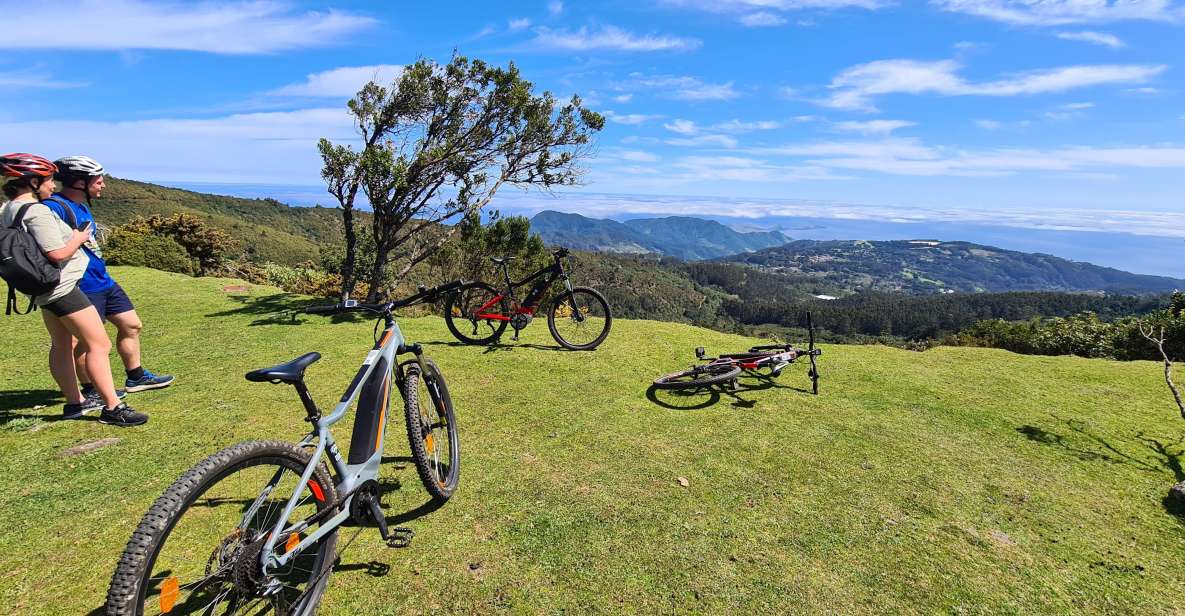
After the rest, you explore the power of the e-bike on a dirt road climb toward a viewpoint over Santo da Serra. This is where motor assist earns its keep. You’re moving uphill, and even if the climb isn’t extreme for you, it’s still long enough that a normal bike would demand more training or recovery time.
Then there’s the fun part: you might get welcomed by many sheep around the area. It’s the kind of moment that turns a practical ride into a story you’ll repeat later. And it gives you an easy payoff for the climb—wide views, animal sightings, and a change from the enclosed forest feeling.
In the reviews, people mention breathless moments that were manageable because the motor did the heavy lifting. You still pedal, but you choose how much effort you want to spend.
The Oaks Descent and Back to the Levada: Finishing Strong
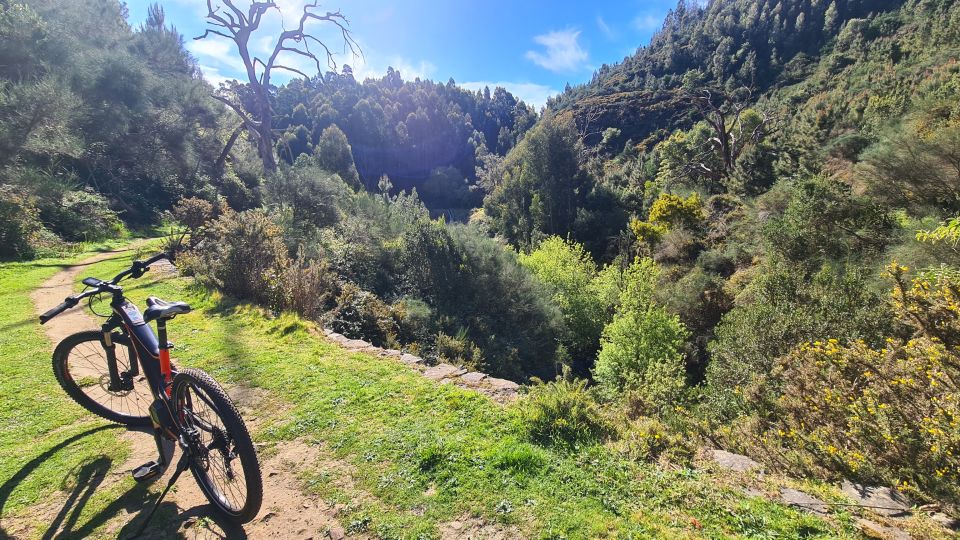
After the viewpoint, you descend on a road described as full of oaks. That shift down matters: it’s not just easier physically; it also changes the sensory vibe. You go from steep forest corridor energy to smoother rolling motion with big tree presence overhead.
Then you reenter the levada ride direction back toward Camacha. Returning along the channel is satisfying because you get continuity. You see the forest corridor logic again, and you feel like you’re completing the water-trail story rather than just doing a random loop.
This portion also benefits from being guided. Guides can manage speed through tricky sections and keep the group together so nobody feels left behind. In one account, the guide stayed with riders at the back to make sure everyone was okay during very muddy weather.
Rain or Shine: What to Expect When the Weather Gets Messy
This tour runs rain or shine, and Madeira weather can flip fast. That means you should plan for a day where conditions might range from damp path to full mud. Reviews include cases of heavy rain, with tracks full of water and mud, and a clear theme: the guide adjusted the route to avoid the worst conditions while still delivering the core experience.
For you, that’s good news. It means the tour isn’t rigid when the terrain becomes risky. It also means you should dress like you’re going to be outdoors in real weather, not like you’re heading to a café.
Wear sports shoes you don’t mind getting dirty. One review calls out muddy clothes and warns against white trainers. Bring food and drinks too, since these aren’t included. You’ll feel better at mid-ride and less rushed when the break comes.
E-Bikes, Comfort Setup, and Your Actual Skill Level
This is an e-bike tour, and the motor is part of the design. Bikes are described as easy to ride, and many riders mention that the guide explains how the assistance works and helps adjust comfort at the start. People also highlight that the bikes are well maintained and fitted to individual needs.
Still, this is not a “no-traction-needed” ride. Narrow paths and dirt sections appear in the description and show up in real-world conditions when it’s wet. The motor won’t fix balance issues. It will help you climb without burning out, but you’ll still want confidence on uneven ground.
Based on review feedback, many older riders found it doable (including someone in their early 70s). But it’s not appropriate for everyone: it’s not suitable for children under 12 and not recommended for people with mobility impairments.
If you can walk confidently on uneven outdoor paths and you’re comfortable staying upright on a mountain bike, you’ll probably be fine. If you want a smooth bike-lane experience only, you may find parts of the trail stressful when the ground is muddy.
Guide Quality: Friendly, Practical, and Quick When Things Change
This tour scores high for the guide, and the pattern shows up again and again. People mention friendly, helpful guides who explain the history of levadas and share local ecology. Several reviews name guides like Venancio and Vincenzo/Vincenzio, and they’re described as attentive, proactive, and patient.
One of the best signs of a good operator is how they handle disruption. In at least one case, the guide changed the route to avoid heavy rain and even adjusted the plan afterward to make up for a shorter section. That kind of flexibility matters because it keeps the ride meaningful instead of turning into a short, disappointing scramble.
Another practical point from the reviews: the guide helped with bike fixes or adjustments when needed. That reduces stress. When your confidence rises, you enjoy the forest more and worry less about the mechanics.
Price and Value: Is $82 Worth It for a Small-Group Forest Ride?
At $82 per person for about 3.5 hours, you’re paying for more than a bike. You’re getting hotel pickup and drop-off, an electric mountain bike, a tour guide, and setup help at the start. That package matters on Madeira, where distance and hill travel can eat time fast.
Food and drinks aren’t included, and clothing is on you, so budget for that. But the core value is the guided small-group ride into places that are hard to find on your own. You’re also paying for risk management when weather is bad—route changes, group control, and guidance through muddy conditions.
If you like guided nature with a hands-on activity, this is good value. If you already ride mountain bikes confidently and don’t care about local plant talk, you might feel you could DIY a similar outing. But most people choosing this tour want the combination: guided forest knowledge plus e-bike ease.
Who Should Book This Camacha E-Bike Levada Tour
I’d book it if you want a Madeira experience that mixes real outdoor time with a guide who makes the scenery make sense. This works well if you want to see eucalyptus and laurel forest areas, ride beside the levada channel, and still feel physically comfortable because the e-bike does the heavy lifting on climbs.
It also fits couples and small groups who prefer calm. Max 8 riders keeps things organized and reduces the stop-and-wait frustration you can get on larger tours.
Skip it if you need fully accessible routes. It’s not suitable for people with mobility impairments, and it’s aimed at riders comfortable on mountain-bike-style terrain. And if you’re traveling with very young kids, the minimum age is 12.
Should You Book It? My Quick Decision Guide
Book this tour if you want a guided ride into Madeira’s forest-and-water corridor, and you like the idea of an e-bike that helps you handle hills without wrecking your day. The combination of old levada bridges, laurel forest, and the Santo da Serra viewpoint with sheep is exactly the kind of mix that makes the outing feel complete.
Don’t book if you’re sensitive to wet weather or you hate muddy shoes and damp clothing. Because it runs rain or shine, you should treat it as an outdoor activity that might get messy. If you’re okay with that trade, you’ll likely come away with a strong sense of place—Madeira, but experienced at bike speed and guided by someone who cares about the details.
FAQ
What’s the total time for the Camacha Levada e-bike tour?
The tour lasts about 3.5 hours, including a van transfer of around 30 minutes as part of the day.
Does the tour run in bad weather?
Yes. The tour takes place rain or shine, and the route may be adjusted depending on weather conditions.
How big is the group?
It’s a small group limited to 8 participants.
What’s included in the price?
Hotel pickup and drop-off, an electric mountain bike, and a tour guide are included. Gloves and glasses are provided if previously required by clients.
What do I need to bring?
Bring food and drinks, breathable clothing, and sports shoes.
Is this tour suitable for kids or mobility limitations?
It’s not suitable for children under 12, and it’s not suitable for people with mobility impairments.