REVIEW · MADEIRA
Funchal: Old Town Walking Tour
Book on GetYourGuide →Operated by Madeiran Heritage · Bookable on GetYourGuide
Funchal’s old town tells a story fast. This 2-hour walking tour links major landmarks with working-industry stops like the Farmers’ Market and a 19th-century sweet factory, so you understand how Funchal grew (not just what it looks like). I like how the route mixes big-name sights with smaller, easily missed corners, including a stop inside Funchal City Hall.
One possible drawback: the walking includes cobbled streets and slight inclines. Bring comfortable shoes, and if you have limited mobility, consider that the tour is labeled wheelchair accessible but the route may still be tough in practice. Small groups help keep things manageable, though.
In This Review
- Key takeaways before you go
- Entering The Colégio dos Jesuítas do Funchal: where the story starts
- City Hall’s surprising interior stop (and why it’s worth pausing)
- The 19th-century sweet factory and Madeira’s food economy
- Farmers’ Market: beyond postcards, into daily life
- Medieval Santa Maria Street, Admiral’s Garden, and old defenses
- Colombo Square: sugarcane, power, and the Americas link
- The Legislative Assembly and the Cathedral’s global scale
- Municipal Garden and a traditional Wine Lodge break
- Madeira Photography Museum – Atelier Vicente’s: a quiet pivot to modern craft
- Returning through Jesuit landmarks: ending where you started
- Price and value: what $19 buys you in real terms
- How hard is the walk, and who will like it most?
- Should you book this Funchal old town walking tour?
- FAQ
- Where is the meeting point for the tour?
- How long is the tour?
- What will we see during the walk?
- Is food included?
- Which languages are available for the live guide?
- Is the tour suitable for kids?
Key takeaways before you go
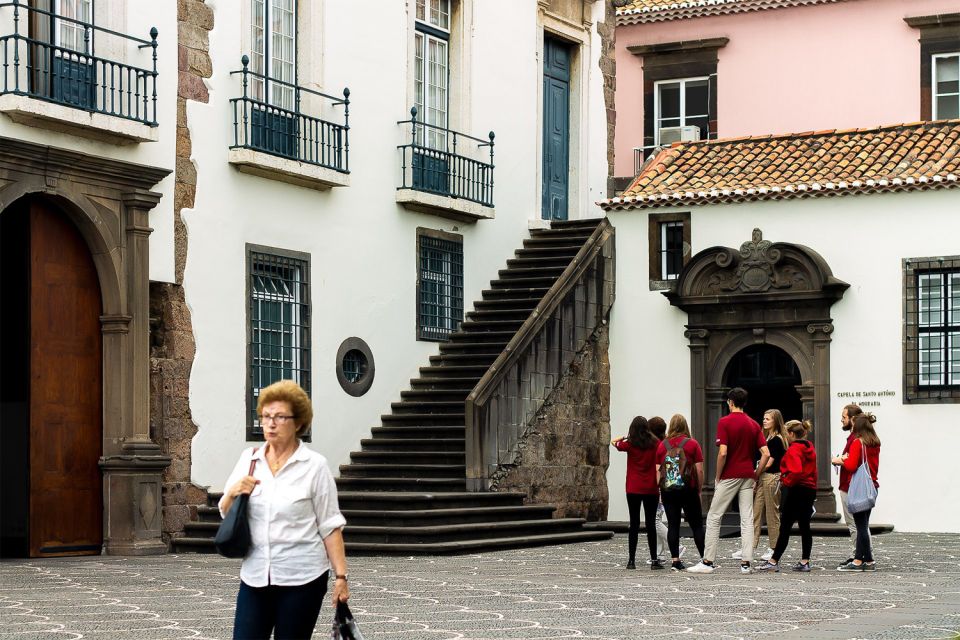
- Start at the Jesuits’ College of Funchal for a smooth introduction to the city’s layout and power centers
- Farmers’ Market + industry stories make the food stalls feel like history lessons
- Medieval streets and riverbed fortification ruins connect geography to protection from floods
- Sugarcane at Colombo Square explains Madeira’s major export and its surprising links
- Wine Lodge in the Municipal Garden gives you an easy cultural break without adding a long food detour
- Madeiran Heritage educational support means your ticket funds student outreach tied to the University of Madeira
Entering The Colégio dos Jesuítas do Funchal: where the story starts
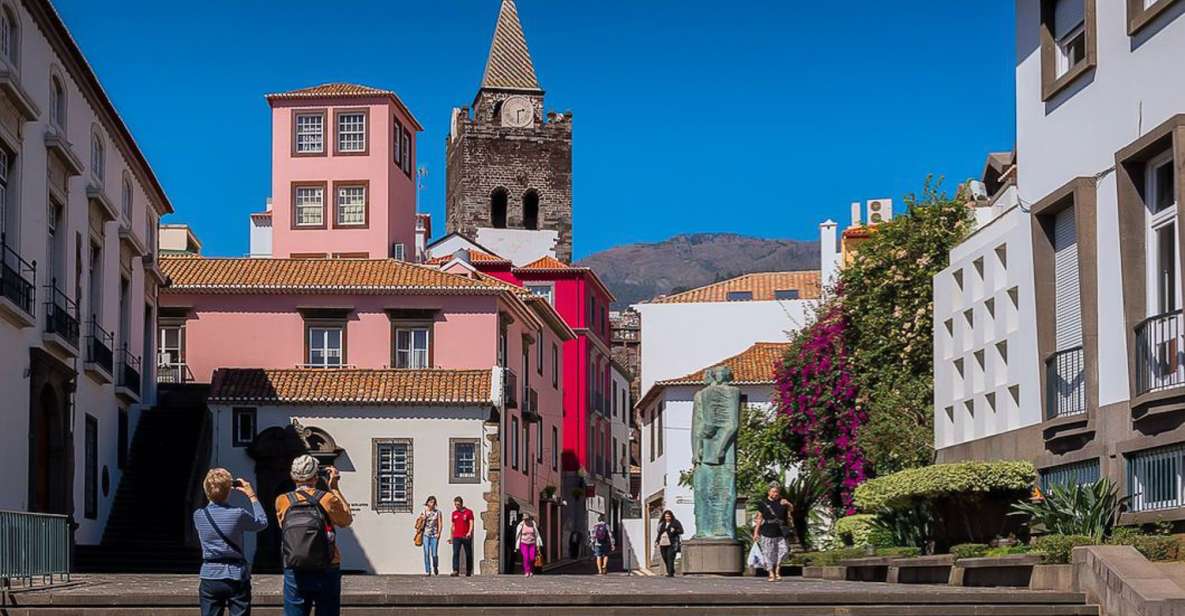
I’d start here even if you’re arriving in Funchal late. The tour meets at the Jesuits’ College of Funchal at the University of Madeira area, beside D’Oliveiras Madeira Wine on Rua dos Ferreiros. It’s easy to find once you’re looking for the University of Madeira signage and the glass doors at the street entrance next to the Jesuits’ Church.
This first stop matters because it sets the tone: the guide doesn’t treat Funchal like a museum. They connect the city center to how Madeira’s history shaped where people built, traded, worshipped, and governed. In a short 2-hour window, that framing helps the rest of the walk click.
A practical note: plan to arrive about 10 minutes early. The start point is not inside the church itself, so don’t waste time circling.
You can also read our reviews of more walking tours in Madeira
City Hall’s surprising interior stop (and why it’s worth pausing)
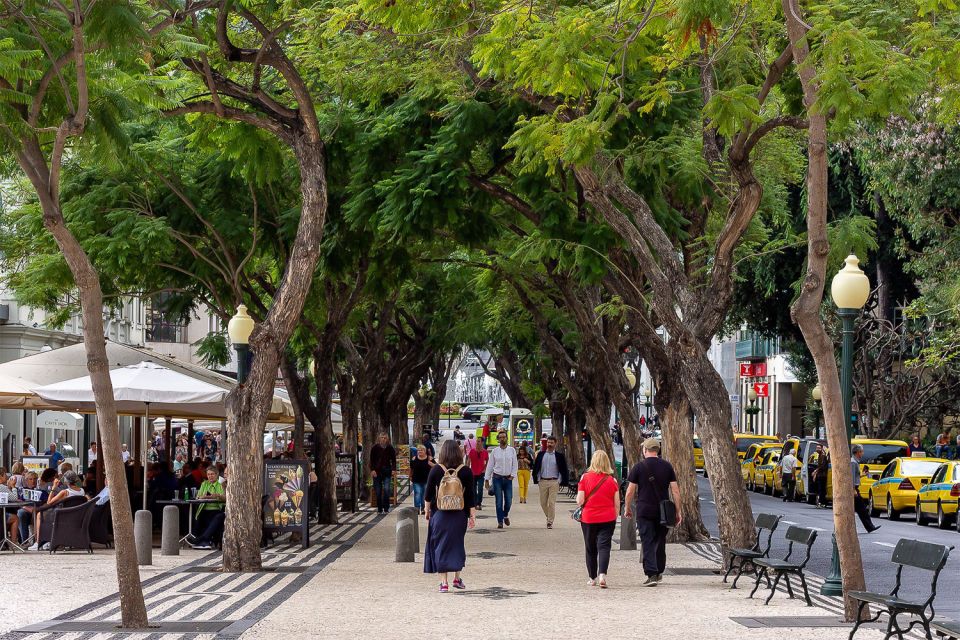
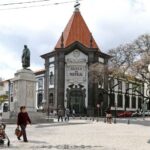
After meeting, you’ll head to Funchal City Hall for a photo stop and then a visit to a hidden space inside the building. It’s the kind of moment that’s hard to replicate on your own, because City Hall isn’t usually your first stop on a casual stroll.
What I like about this segment is the way it reinforces the tour’s main idea: Funchal’s center is both historic and functional. You’re not just walking past “pretty buildings.” You’re seeing where civic life and centuries-old influence overlap.
If you like architecture and street-level details, this is a good “gear shift” in the tour. You go from the educational, university-linked start to the civic pulse of the city in minutes.
The 19th-century sweet factory and Madeira’s food economy
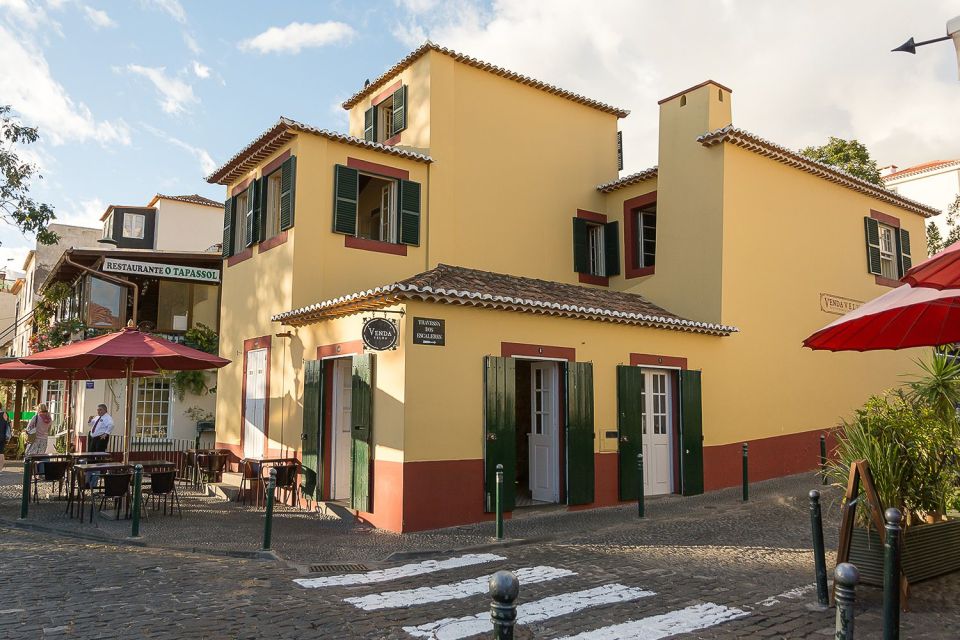
Next comes one of the most interesting theme shifts on the route: a traditional sweet factory founded in the 19th century. This isn’t a random shop stop. The guide ties sweets to the broader sugar legacy of the island and the industries that grew around it.
Why this is valuable: Madeira isn’t only about scenic hikes. It also has an economy built on what the island could produce, export, and turn into everyday products for locals and visitors. A sweet factory is an approachable way to understand that without needing a business degree.
If you’re the type who likes to eat your way through a destination, you’ll appreciate how the tour doesn’t treat food as an afterthought. It uses it as a lens.
Farmers’ Market: beyond postcards, into daily life
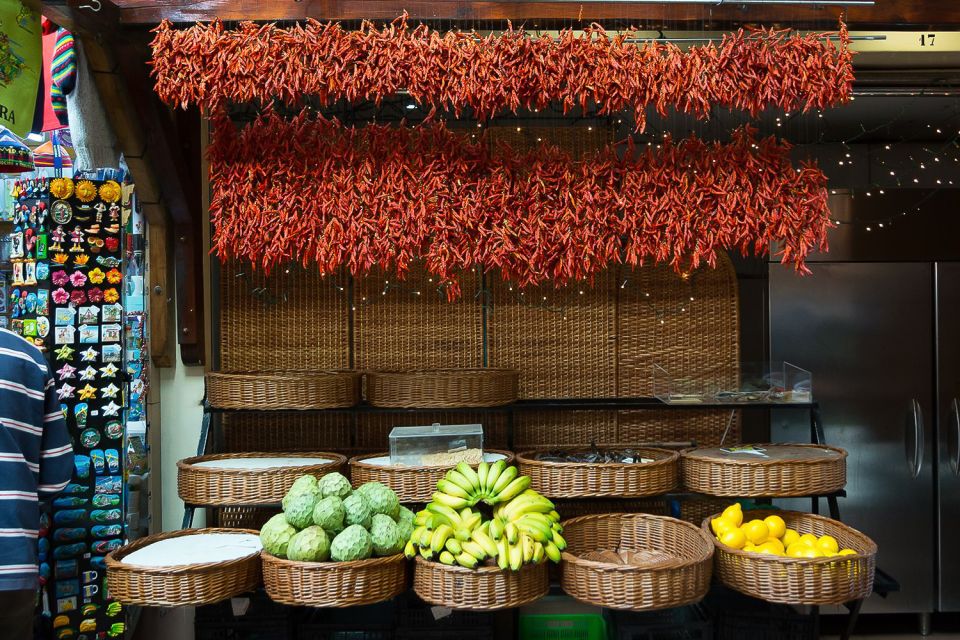
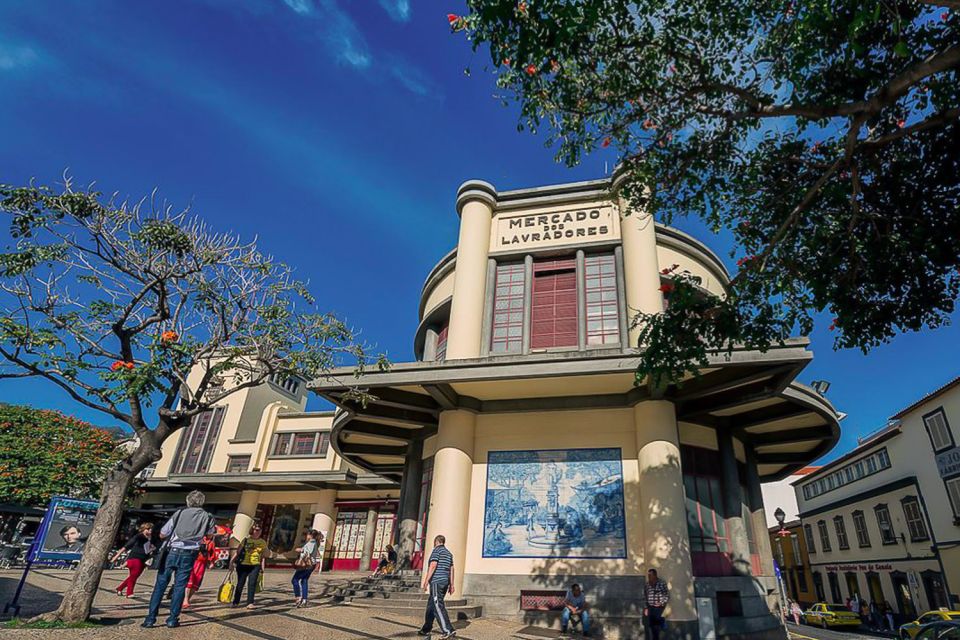
The walk continues to the Farmers’ Market, where you get a guided look rather than a quick wander. This is where the tour pays off if you want both history and useful travel instincts.
The market visit also connects to a key detail: the guide explains the early days of Madeira’s embroidery industry while walking through one of the city’s busier streets. That matters because it shows how people earned a living beyond farming—by turning Madeira’s culture into recognizable, exportable craft.
Also, the market stop is practical. You’ll have time to look around, absorb what’s available, and (depending on your guide and timing) pick up ideas for what to buy or seek out later.
Medieval Santa Maria Street, Admiral’s Garden, and old defenses
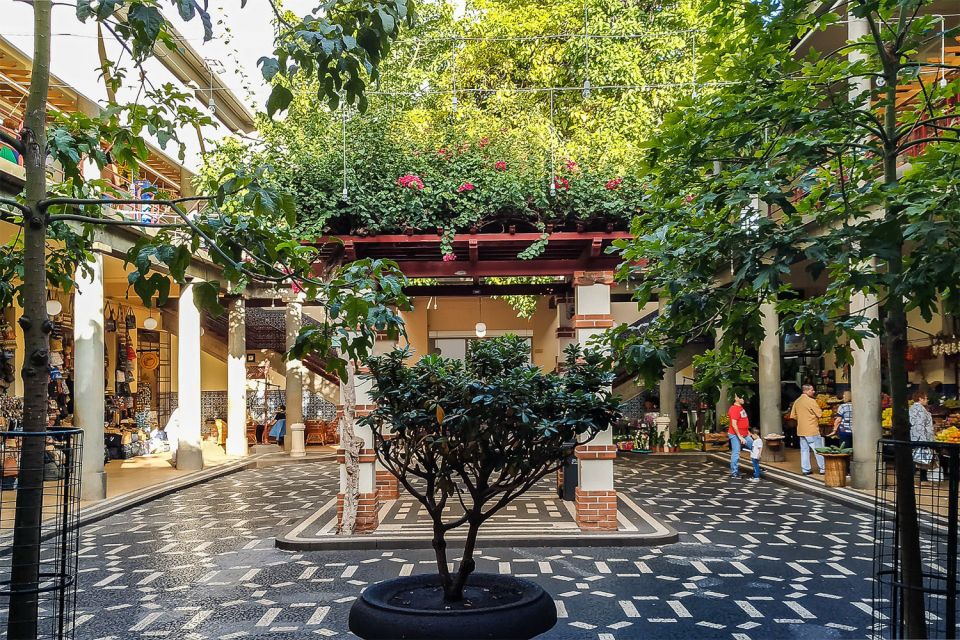
Once you’re done with the market energy, the tour slows down into the medieval part of town. You’ll travel along Rua de Santa Maria and then head toward Admiral’s Garden and the ruins of an old fortress.
This segment is especially good if you like “why” stories. The fortress ruins sit near riverbeds that were once walled in to protect the city from flooding. That detail turns the landscape into a lesson. You start noticing how Madeira’s geography and water management shaped where people built and how they defended their center.
A lot of walking tours do medieval streets as a photo walk. This one tries to give you context. You’ll still get pictures, but you’ll also know what you’re looking at.






Colombo Square: sugarcane, power, and the Americas link
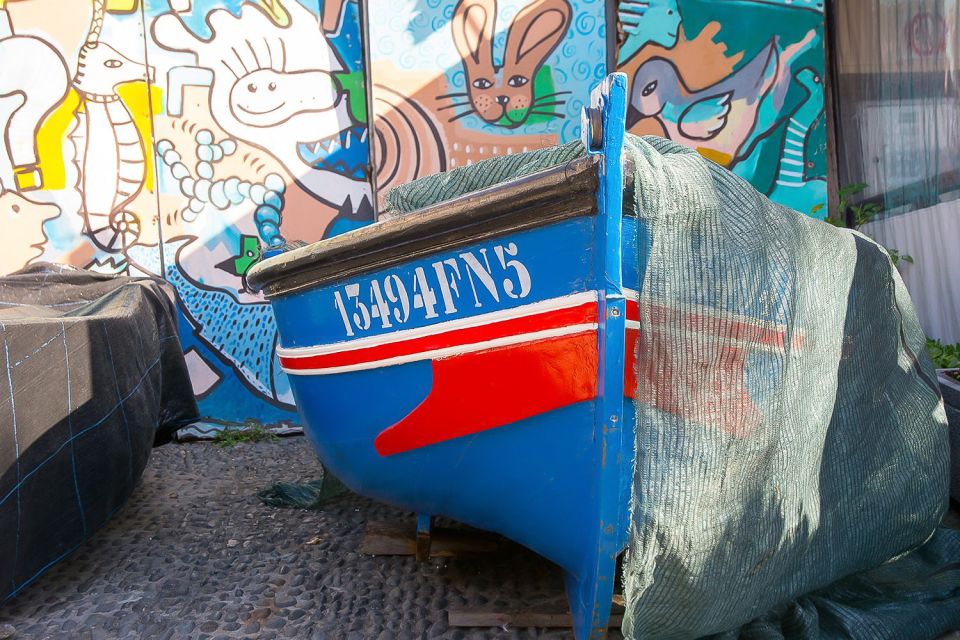
Next up is Colombo Square, where you explore Madeira’s sugarcane industry and a surprisingly specific connection: the story ties the island to the discoverer of the Americas, who once lived on Madeira.
Even if you think you already know the basics of European exploration, this stop gives you a Madeira-specific angle. It’s not just a general “history happened here” moment. It’s about why sugar mattered so much and how that industry shaped the island’s development.
This is also a good point in the tour to ask questions. If you want recommendations later—what to see, what to read, what neighborhoods connect to sugar and trade—this is the middle where your guide can connect the dots.
The Legislative Assembly and the Cathedral’s global scale
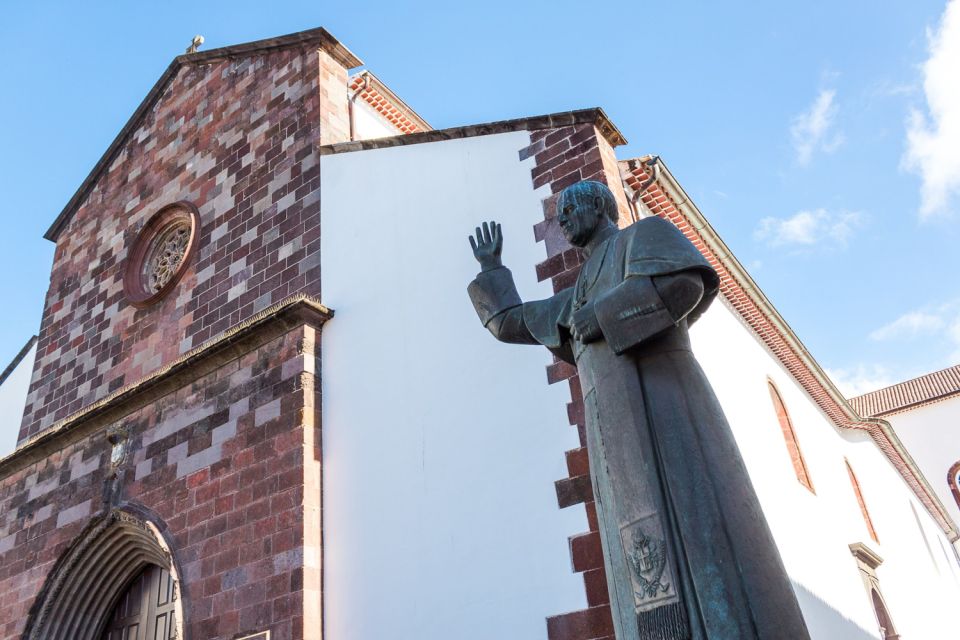
From Colombo Square, you move through key landmarks that explain Funchal’s authority and church influence.
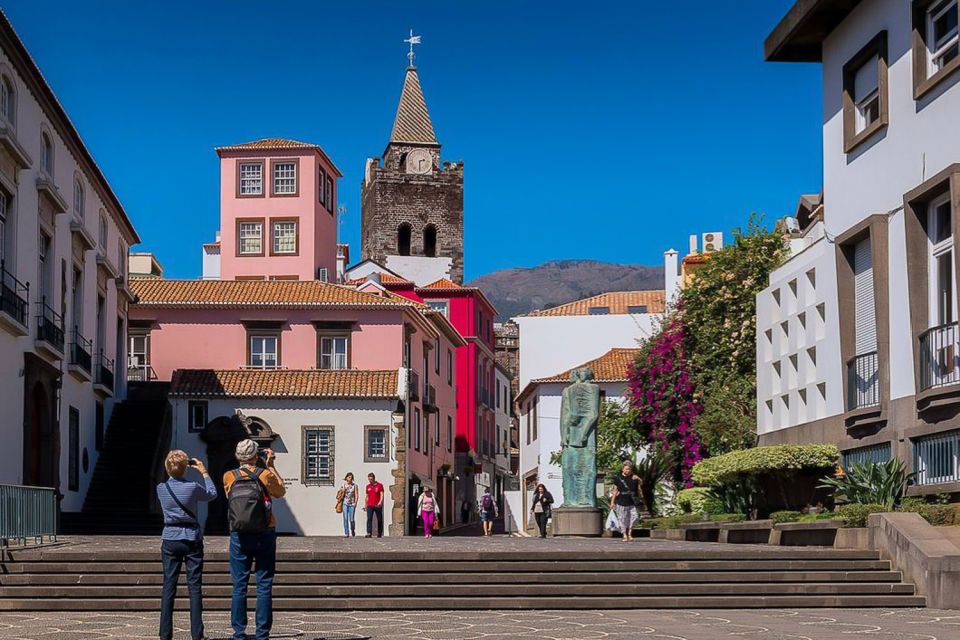
You’ll visit the Regional Legislative Assembly of Madeira and then stop by Funchal Cathedral, which served in the 16th century as the seat of the largest diocese in the world. That stat can sound big and vague until your guide grounds it in the city’s role at the time.
What I like here is the mix of civic and religious power. It helps you understand Funchal as more than “a pretty old town.” It was a place where decisions happened and where spiritual life tied into governance.
Don’t rush this part. Even if you’re not a hardcore architecture fan, these are the sights that help you understand why the city center has the shape it does.
Municipal Garden and a traditional Wine Lodge break
At Jardim Municipal do Funchal (Municipal Garden), the tour includes a visit at a traditional Wine Lodge. This gives you a breather without turning the whole day into a long lunch.
Wine lodge visits work best on a walking tour when they’re short and informative. Here, the idea is cultural context, not a full production tour. You also get a nice contrast: the walk has been about industry and defenses; now you see how Madeira turns its agricultural heritage into a living tradition people still experience today.
One thing to keep in mind: the tour data says food and beverages aren’t included, while the route includes the wine lodge visit. In practice, some people report a small Madeira wine tasting associated with the experience. If alcohol matters for you, it’s smart to ask your guide what’s happening on your specific departure.
Madeira Photography Museum – Atelier Vicente’s: a quiet pivot to modern craft
Later in the itinerary, the walk includes a stop at the Madeira Photography Museum – Atelier Vicente’s area (listed as a pass-by). Even if you don’t go inside, it’s a useful pivot point. The tour has focused heavily on trade and legacy. This moment reminds you that Madeira’s creative work continues, just in different forms.
When a city blends old export industries with modern creative spaces, it’s usually a sign the culture is still active, not sealed behind glass.
Returning through Jesuit landmarks: ending where you started
The final stretch brings you to Igreja do Colégio (the Jesuits’ Church) and back to the former Jesuits’ College, founded by King Sebastian of Portugal in the 16th century. You’ll also get entrance to the Jesuits’ College of Funchal, which helps make the closing feel intentional rather than like a generic “walk back.”
This ending works well because it loops you back to the beginning. You finish with the “big institutional framework” in view: Jesuit influence, royal foundations, and the city center’s long reach.
In the reviews, guides are often praised for pacing and for making the walk feel like you’re getting local context from a friend. Names that come up include Annabelle, Elias, Elea, Hugo, Hannah, Evalina, Sarah, and Elena—people who are described as patient, friendly, and focused on getting the right amount of detail in 2 hours.
Price and value: what $19 buys you in real terms
At $19 per person for a 2-hour small-group walk, this is one of those deals that feels fair because it’s not trying to cram in five different excursions.
Here’s what your ticket actually covers:
- a guided walk through the old town core
- entrance to the Jesuits’ College
- guided stops at the Farmers’ Market, a sweet factory, and a Wine Lodge
- storytelling support via printed/visual materials (like archive images)
- funding for student-led initiatives and educational outreach connected to the University of Madeira
Value is often about what you learn per minute. This tour spends time on the “why” behind the city center—sugar, trade, floods and fortifications, and how institutions shaped daily life. For first-timers, that can save you hours of guessing later. It also gives you a base set of landmarks you can return to for a second, unguided wander.
How hard is the walk, and who will like it most?
You should like this tour if you:
- want an easy way to get your bearings in central Funchal
- enjoy history that’s tied to real streets and real industries
- prefer walking with a guide rather than picking random stops from a map
You might want to skip or switch strategies if:
- you struggle with cobbled streets and slight inclines
- you’re hoping for long scenic viewpoints (this is city-centered, not a hike)
- you want a food-heavy experience (food isn’t listed as included, though there are market and wine moments)
The tour is designed for children aged 10+ with supervision, which makes it a reasonable family option if your kids handle walking and attention spans.
Should you book this Funchal old town walking tour?
Yes, if this is your first time in Madeira and you want a fast, practical orientation that still feels personal. The tour hits high-impact landmarks like the Cathedral and the Regional Legislative Assembly, but it also keeps returning to themes that matter: sugarcane, industry, flood protection, and how the city organized itself over centuries.
Book it especially if you like tours that don’t just point at buildings. Here, the guide turns stops like the sweet factory and Farmers’ Market into explanations you can actually use while planning the rest of your trip.
If you’re sensitive to uneven pavement, double-check your comfort level with cobblestones before you commit.
FAQ
Where is the meeting point for the tour?
You meet at the Jesuits’ College of Funchal at the University of Madeira entrance area on Rua dos Ferreiros, next to D’Oliveiras Madeira Wine. It’s by the street entrance with the glass doors and University of Madeira signage, not inside or outside the church.
How long is the tour?
The walking tour lasts 2 hours.
What will we see during the walk?
You’ll visit or stop at several key sights, including Funchal City Hall, the 19th-century sweet factory, the Farmers’ Market, Santa Maria Street, Admiral’s Garden and fortress ruins, Colombo Square, the Regional Legislative Assembly, Funchal Cathedral, Jardim Municipal do Funchal, a traditional Wine Lodge, Igreja do Colégio, and the Jesuits’ College with an entrance visit.
Is food included?
Food and beverages are listed as not included. The tour does include visits to the Farmers’ Market and a traditional Wine Lodge, but it does not list meals as part of the price.
Which languages are available for the live guide?
The live guide languages listed are German, English, and French.
Is the tour suitable for kids?
The tour is suitable for children aged 10+. Younger children are welcome with supervision. Comfortable shoes are recommended due to the walking route.