REVIEW · MADEIRA
Madeira Botanical Levels Bike Tour – Scenic Trail Experience
Book on GetYourGuide →Operated by Lokoloko Madeira · Bookable on GetYourGuide
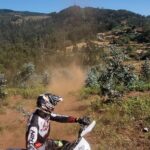
Downhill biking hits fast on Madeira. This 4.5-hour Poiso-to-sea trail ride starts at about 1,400m, then gives you a real choice: easier forest single track or a route that follows the levada water channels as you roll down toward roughly 850m. I also like that your guide takes photos and shares them free of charge.
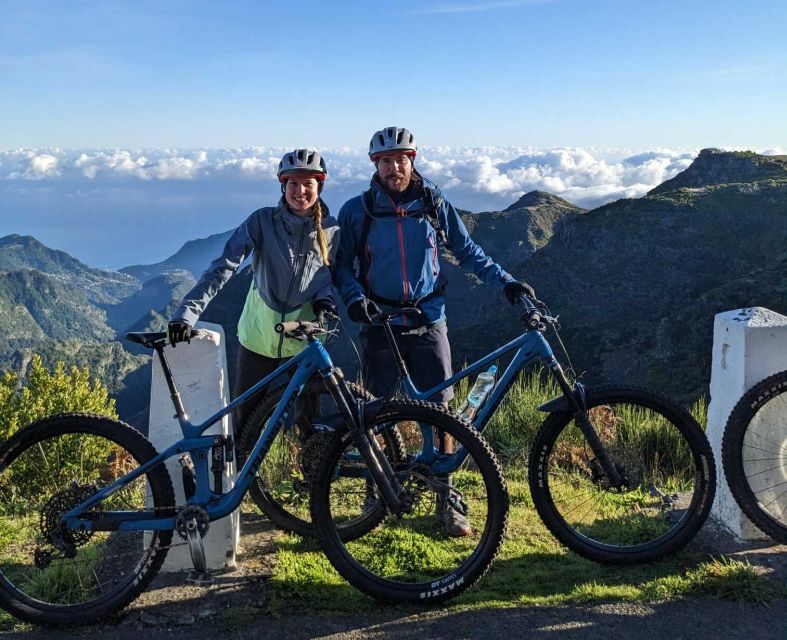
The best part is how this tour treats your comfort level as a starting point, not a dealbreaker. Guides assess your skills early, then steer you toward the trails that fit your bike handling. One more plus: you ride a full-suspension Transition Sentinel Alloy GX, built for the roots, rocks, and uneven surfaces that make Madeira mountain biking fun.
One possible drawback: this is still a downhill experience, and the final descent asks for careful control. Some sections require precise braking, and if your off-road skills are limited, you’ll want to lean into the easier options instead of forcing the hardest line.
In This Review
- Key Things I’d Mark On Your Map
- Poiso To The Levada: The Mountain-To-Sea Plan That Actually Makes Sense
- Choosing Your Line: Forest Single Track Or Levada Roads
- The Ride Along The Levada: Forest Soundtrack And Water-Channel Variety
- Bikes That Matter: Full Suspension, Real Braking, And Included Safety Gear
- The Finale Into Lokoloko Shop: Spectacular Descent, Paved Control Needed
- Price And Value: What $94 Gets You (And What It Doesn’t)
- What To Bring For Comfort (So You Enjoy It More)
- Who This Tour Fits Best (And Who Should Choose The Easier Option)
- Should You Book This Madeira Botanical Levels Bike Tour?
- FAQ
- How long is the Madeira Botanical Levels Bike Tour?
- Where does the tour start?
- How far do you ride?
- What kind of riding options do you get?
- What bike is provided?
- What’s included in the price?
- Is food included?
- Do I need hotel pickup?
- Can I cancel for a refund?
- What languages are the guides available in?
Key Things I’d Mark On Your Map
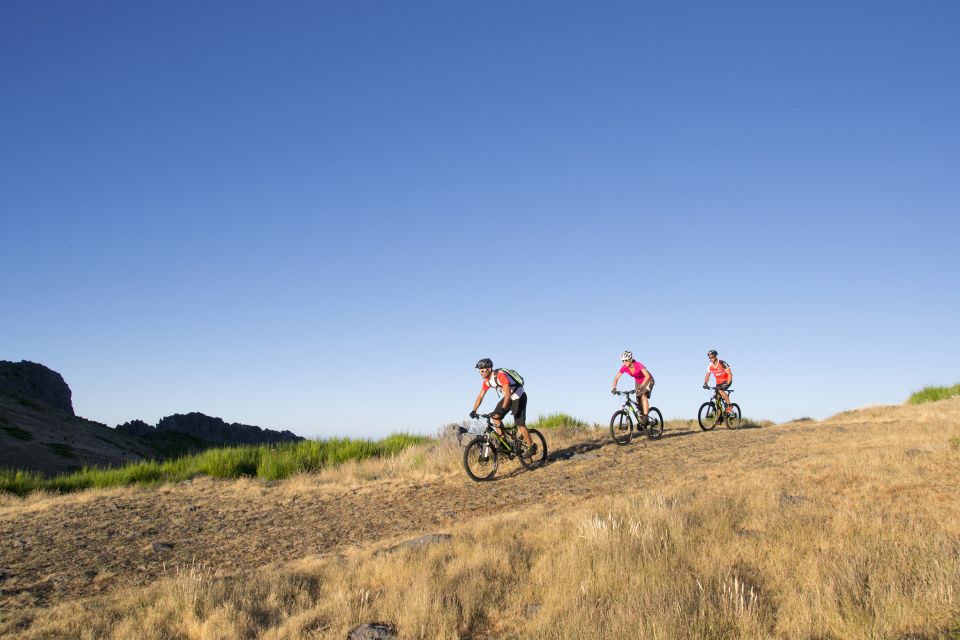
- Two distinct ride options from the start so you can match comfort level without feeling left behind
- Levada riding as the backbone, with about 25K along the water channels (and a longer day is possible depending on options)
- Real microclimate changes—you can go from clouds to bright sun and the guide adjusts to daily conditions
- Forest-to-sea scenery on one flow, through laurel, eucalyptus, and pine with berry-picking stops
- A memorable last stretch: an about 10K descent on paved roads where braking matters
- Free guide photos taken during the ride, handed to you afterward
Poiso To The Levada: The Mountain-To-Sea Plan That Actually Makes Sense
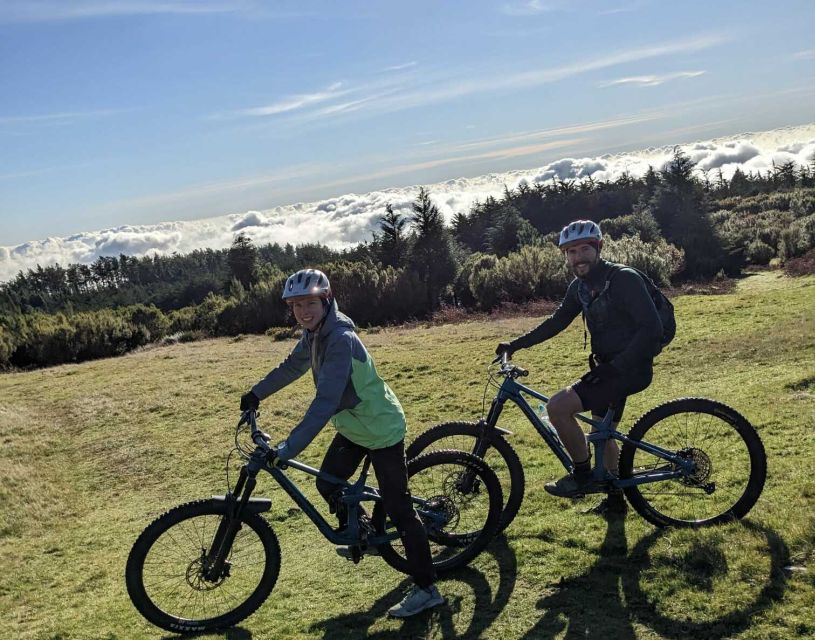
This is the kind of Madeira tour that makes you feel smart for choosing it. Instead of trying to cram everything into one exhausting day of grinding uphill, you begin high on the island and spend most of your time moving downhill through changing terrain.
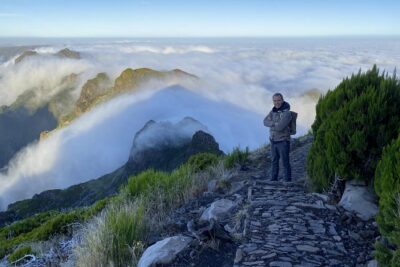
You start in Poiso, at about 1,400 meters above sea level. The early part is intentionally gentle, more like a warm introduction than a fitness test. From there, your guide helps you transition into the main ride zone around 850 meters, where the down-is-the-point momentum kicks in.
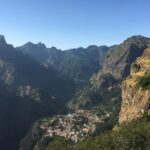
As you go, the setting does a lot of the work. You’re riding through classic Madeira vegetation—laurel, eucalyptus, and pine forests—while the island’s famous microclimates can shift what you feel in minutes. One departure can include riding through cloud; another might be clear and sunny. The guide doesn’t ignore weather, either. They tailor the experience to minimize time spent dealing with rain, wind, or cold when conditions make traction and comfort worse.
If you like tours that feel like a guided road trip, this does. If you prefer solo chaos, you may find the structure reassuring rather than limiting.
You can also read our reviews of more cycling tours in Madeira
Choosing Your Line: Forest Single Track Or Levada Roads
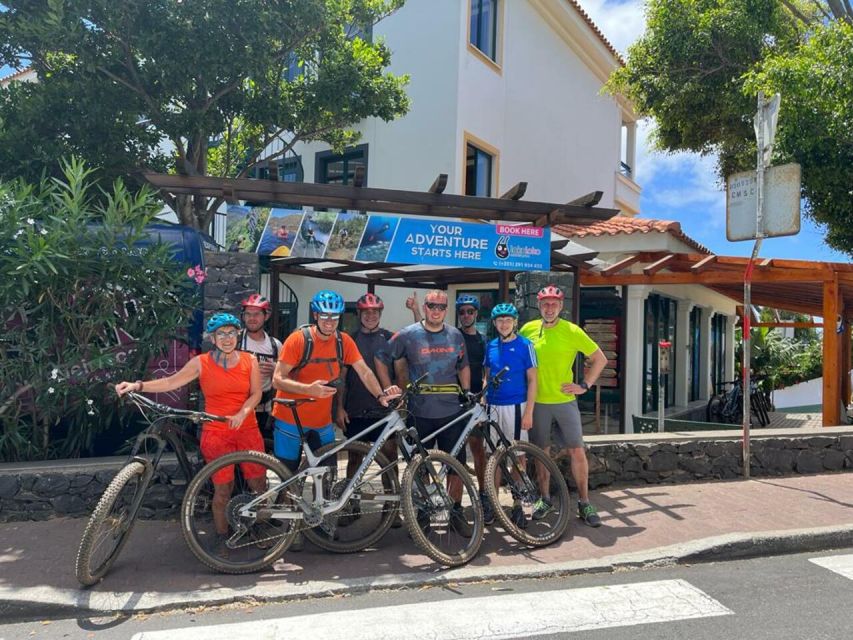
A big reason this ride works for mixed groups is the early skill assessment. Your guide checks how you handle the bike—braking, line choice, comfort on uneven ground—then offers two ways forward.
You’ll typically choose between:
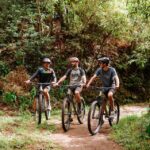
- Easy single trails in the forest, which are great when you want flow, scenery, and confidence-building
- Road and gravel paths that lead you to the levada, followed by more levada riding once you’re on that traditional water-channel route
This matters because Madeira trails can be narrow and technical, depending on which line you’re on. Even when the overall day feels relaxed, bike handling still counts. The tour is designed so you aren’t forced into a one-size-fits-all route. That’s a practical advantage if your group includes different levels—or if you’re strong on road biking but newer to off-road.
I especially appreciate that the tour isn’t pretending there’s no difference between easy and challenging riding. Some guides, like Bernardo and Jimmy (names you might see attached to this experience), are praised for adapting in real time and offering encouragement that still keeps things safe. One rider even highlighted that the guide can teach you technique while still saying no when a route is too hard for your comfort.
The Ride Along The Levada: Forest Soundtrack And Water-Channel Variety
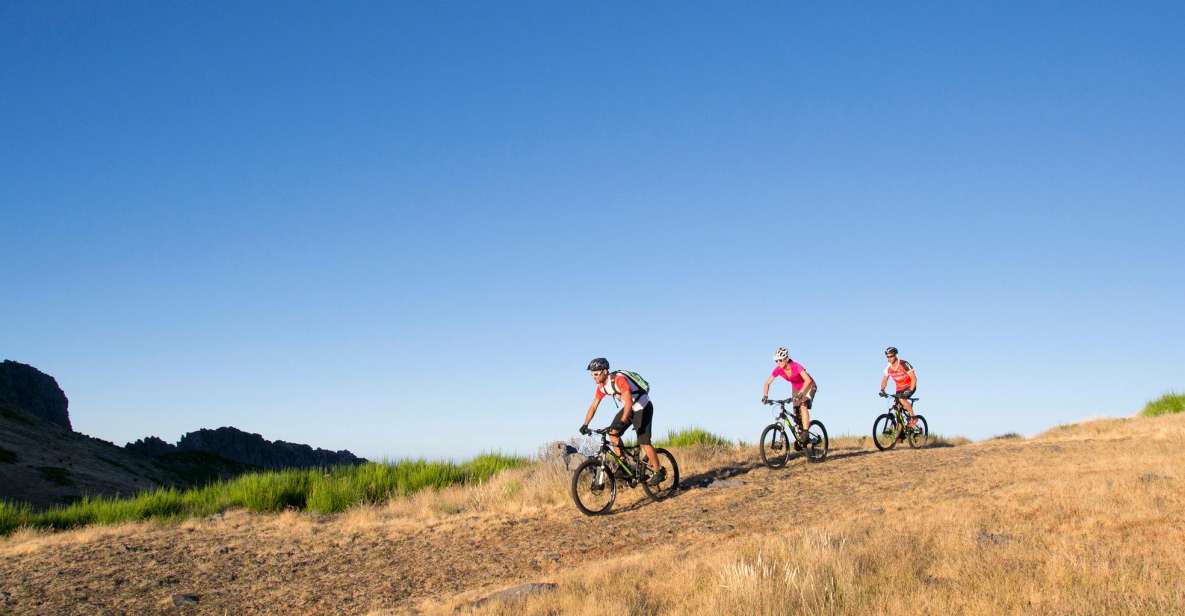
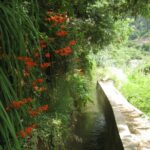
Once you’re on the levada, the island starts to feel different in a good way. Levada routes are famous here for a reason: they put you close to water systems that shape how Madeira works. They also tend to create a steady visual rhythm—slope, channel, vegetation—so the ride feels more like a continuous experience than a series of separate “attractions.”
The tour description sets expectations clearly: you’ll spend time gliding about 850 meters above sea level and cover roughly 25 kilometers along the levada. In practice, you might see variation depending on your exact options and how the guide sequences the sections, but the levada time is the heart of the day.
You’ll roll through forest corridors with thick cover and constant texture changes. Expect laurel, eucalyptus, and pine, plus the kind of natural color Madeira is known for. And yes, there can be berry moments. The route includes times when you can pick blackberries, raspberries, and blueberries—a small thing, but it turns a long ride into something memorable and tactile.
There’s also a quick break for a refreshing drink. It’s not a long cafe stop. Think of it as a reset—water, breath, and a few minutes to look around before you keep going.
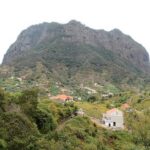
Then you follow the levada through Camacha, a colorful area that gives the ride a change of backdrop as you keep descending. Even if you don’t care about food or wine destinations, seeing Camacha through the levada corridor adds local flavor you’d miss if you only raced from viewpoint to viewpoint.
Bikes That Matter: Full Suspension, Real Braking, And Included Safety Gear
Mountain biking on Madeira isn’t just about views. It’s about traction, comfort, and control. That’s why the bike choice matters on this tour.
You ride a Transition Sentinel Alloy GX with full suspension. In plain terms: the bike is built to absorb bumps so your arms and back don’t get hammered on roots, rocks, and uneven ground. That translates into you staying relaxed longer, which is where better line choice comes from.
The equipment package is also solid for the price. Helmets, protectors, and gloves are included in the standard program. If you use SPD-style cleats, SPD paddles/pedals are included as part of the setup options. And if you want extra coverage, a full-face helmet can be rented for a small fee.
The guide quality is where the experience becomes more than just “bike rental plus trails.” In multiple accounts, riders praised guides for their technique coaching and their habit of adjusting difficulty without making it awkward. Some riders described getting pushed toward harder downhill single-track sections—while others emphasized that the guide knows when to switch to a wider, easier line.
One technical note: the day ends with a descent where braking precision counts. On a full-suspension bike you’ll feel more stable, but you still need to manage speed. If your braking habits are rusty, treat the last stretch as your cue to slow down early and stay smooth rather than grabbing brakes at the last second.
The Finale Into Lokoloko Shop: Spectacular Descent, Paved Control Needed
The ending is built for satisfaction. After you follow the levada through Camacha and take a break, you tackle the final part of the descent—an about 10-kilometer run toward Lokoloko Shop.
Here’s what makes it special: you’re dropping from higher terrain down toward the sea region, and the ride shape shifts from trail character to a more road-like feel on paved roads. That sounds simple until you remember you started the day with forest traction and now you need to control speed with different surface feedback.
This is where the tour’s warning makes sense. Precise braking is required during the descent. It’s not scary if you ride within your comfort level, but it does mean you’ll want to pay attention and avoid showing off.
The upside? Once you’re on the final approach, the whole day’s effort becomes a clean, satisfying arc: you went from mountain height to lower elevation, from enclosed forest to open sightlines, from controlled trail work to a smooth final ride finish.


Price And Value: What $94 Gets You (And What It Doesn’t)
At $94 per person for about 4.5 hours, this bike tour prices like a smart local experience, not a “tourist special” with inflated extras. You’re paying for more than the bike itself.
What’s included:
- Sentinel full-suspension bikes
- Certified guide
- Insurance
- Shuttle
That shuttle piece is underrated. Starting at Poiso (around 1,400m) means transportation matters. And since hotel pickup and drop-off aren’t included, the shuttle helps prevent the day from turning into a logistics puzzle.
What’s not included:
- Food and drinks
- Hotel pickup and drop-off
In other words, you’re covered for the ride and safety side, but you’re not covered for a meal plan. The route includes a small drink break, but don’t count on a full lunch. If you’re sensitive to hunger on long outdoor half-days, plan to eat beforehand and bring a snack strategy for later.
If you’re considering cost versus comfort, the full-suspension included bike plus helmet/protector setup is a major value driver. You’re not paying separately for the core gear that makes technical trail days feel manageable.
What To Bring For Comfort (So You Enjoy It More)
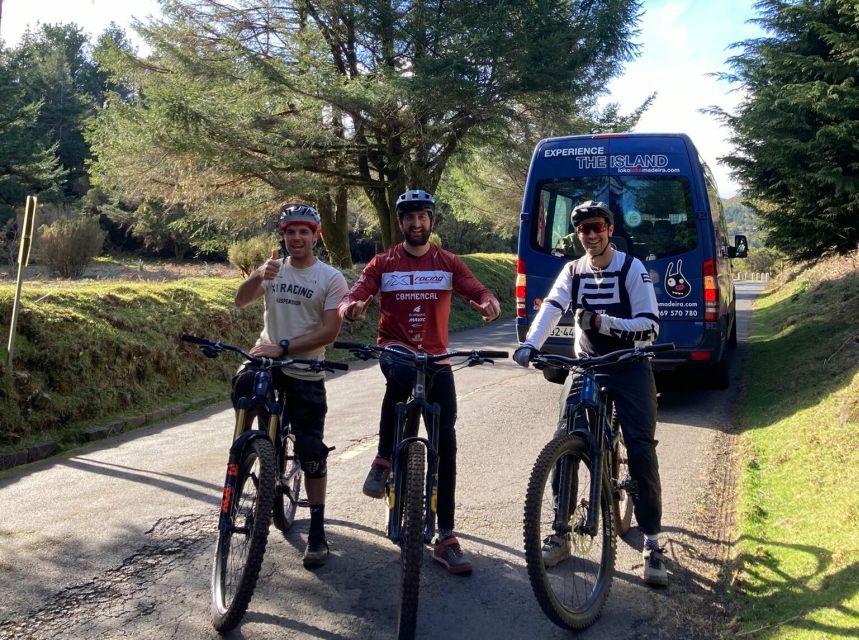
You don’t need a mountain-climbing kit here. But you do need to dress like Madeira weather can change its mind quickly—because it can.
Bring:
- Comfortable shoes
- A windbreaker
- Comfortable clothes
- Cash
Cash is specifically listed, and it’s usually relevant for add-ons like renting a full-face helmet for a fee. Also, it doesn’t hurt to have it in your pocket if you want flexibility during the day.
If you’re coming from a road-bike background, you’ll still want clothing that works on uneven ground. Off-road biking can mean more body movement, and loose clothing isn’t fun when you’re braking and cornering through rough patches.
Who This Tour Fits Best (And Who Should Choose The Easier Option)
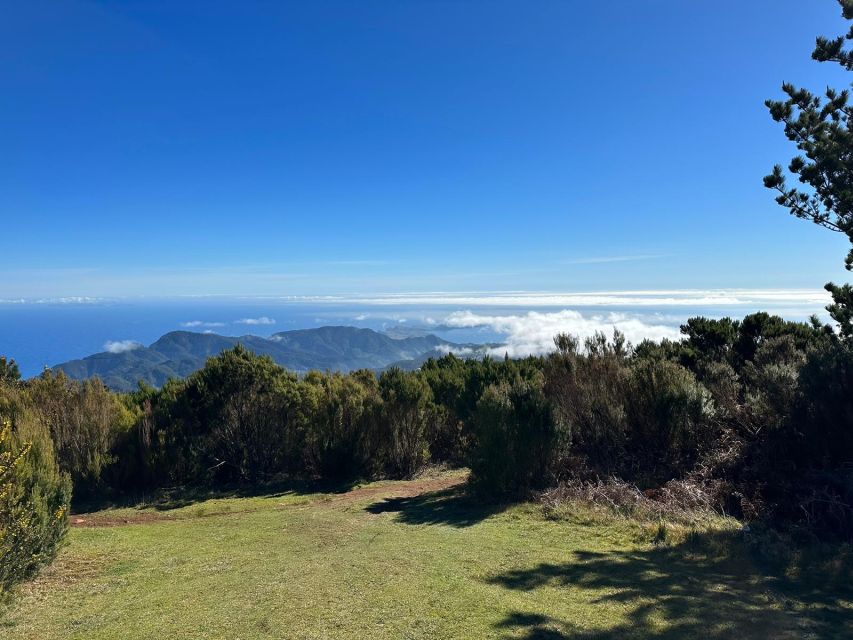
This is a downhill-leaning Madeira experience with options, so it can fit a wide range of people. Still, it’s not a casual stroll.
You’ll likely enjoy it if:
- You want scenery plus momentum, not a flat city loop
- You can ride a bike confidently and handle changing surfaces
- You’re open to learning technique and taking breaks when needed
- Your group includes mixed off-road ability, and you want it handled without conflict
You should be cautious if:
- You’re brand new to mountain biking
- You’re uncomfortable with narrow, brushy paths, roots, rocks, and uneven edges
Some riders have explicitly warned that the trails are not for true beginners, especially narrow sections near ditches or ravines. That doesn’t automatically mean “don’t go.” It means you should be honest with your guide during the skill check and choose the easier single-track or wider lines when appropriate.
Guides like Sergio/Serge have been praised for matching routes to group ability, even when the group includes less experienced riders. That adaptability is a reason this tour stays popular with many types of cyclists.
Should You Book This Madeira Botanical Levels Bike Tour?
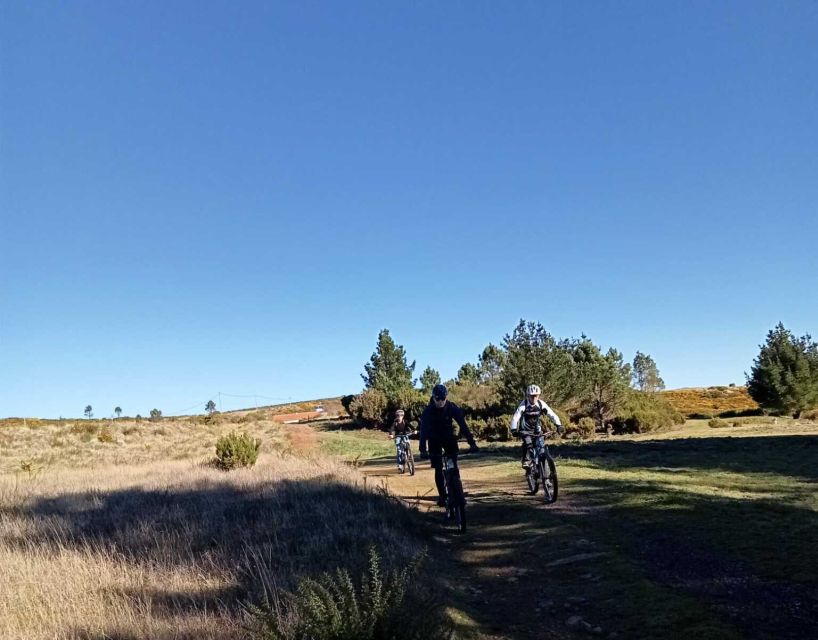
Book it if you want a guided mountain bike day that feels like it’s built for your actual riding level. The combo of full-suspension bikes, a skill-based route choice, and time on the levada makes it a strong value for Madeira. Add the included guide photos and the ride becomes both active and easy to remember afterward.
Skip or choose the easier riding option if you know your braking control or off-road handling isn’t where it needs to be. This isn’t just about enjoying speed. It’s about managing it on varied surfaces, especially near the end.
If you like the idea of mountains above, forests around you, and a controlled descent toward the sea, this tour fits that promise better than many “half-day” experiences.
FAQ
How long is the Madeira Botanical Levels Bike Tour?
It runs for about 4.5 hours.
Where does the tour start?
The starting point is at Poiso, around 1,400 meters above sea level.
How far do you ride?
The tour description says you cover approximately 25 kilometers along the Levada, with an additional final descent portion toward Lokoloko Shop.
What kind of riding options do you get?
Your guide assesses your skill level and then offers two main options: easier single trails in the forest or roads and gravel paths that lead you to the Levada.
What bike is provided?
You ride a Transition Sentinel Alloy GX full-suspension bike.
What’s included in the price?
The price includes the bike, certified guide, insurance, and shuttle. Helmets, protectors, and gloves are included in the standard programs, and SPD paddles are included as an option.
Is food included?
No. Food and drinks are not included. The tour includes a small break with a refreshing drink, but you should still plan your day accordingly.
Do I need hotel pickup?
Hotel pickup and drop-off aren’t included. The tour includes shuttle support instead.
Can I cancel for a refund?
Yes. You can cancel up to 24 hours in advance for a full refund.
What languages are the guides available in?
The live guide offers English, Portuguese, and Spanish.