REVIEW · MADEIRA
Madeira: Best of the East Tour from Funchal
Book on GetYourGuide →Operated by Lido Tours · Bookable on GetYourGuide
That drive from sea to summit feels like a movie. This East tour strings together Madeira’s high peaks, classic villages, and the island’s far-eastern coastline in one efficient day. I like the expert guide narration and the way the itinerary mixes big viewpoints with small, human places like Santana. The main trade-off to plan for is that weather can affect access to Pico do Arieiro, so the top stop may swap for an alternative.
You’ll also appreciate that the tour handles the stressful part of Madeira driving for you—curvy roads, steep grades, and constant scenery changes. I especially like the Varied stops: Terreiro da Luta for early panoramas, Santana for traditional straw-roof houses, and Ponta de São Lourenço for rugged sea-and-rock views. One drawback is simple: lunch isn’t included, so you’ll want a plan (or a guide recommendation) for where to eat.
In This Review
- Key Highlights at a Glance
- Riding Out East: Why This Route Beats Trying to DIY
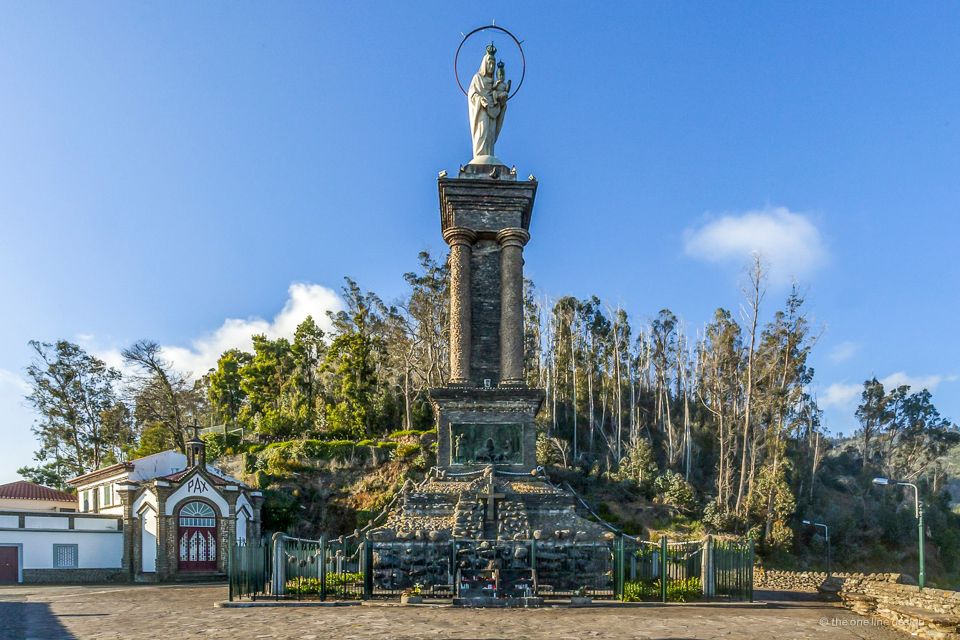
- Terreiro da Luta Viewpoint: The Warm-Up Stop Before the Climb
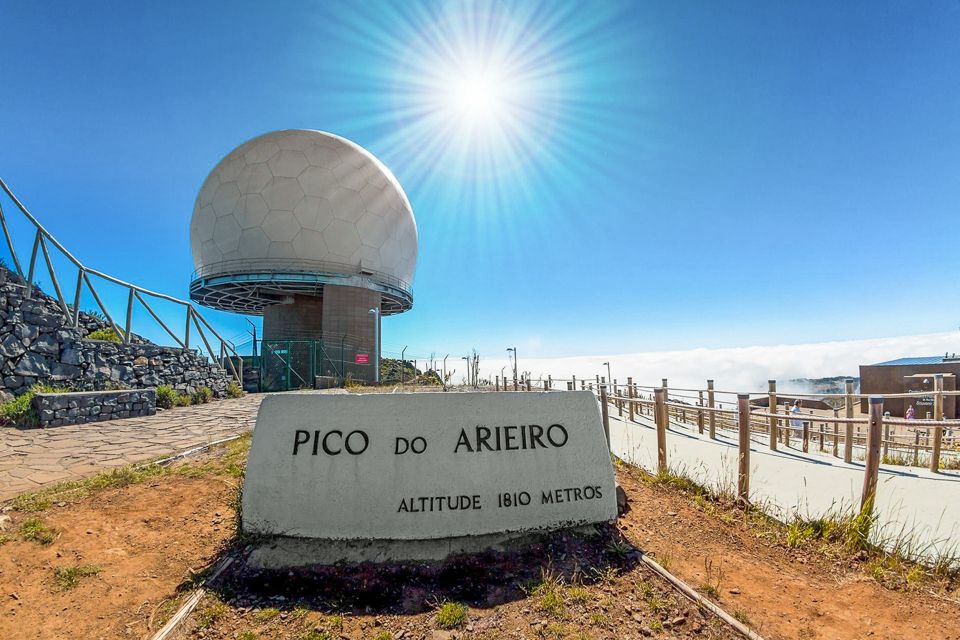
- Pico do Arieiro (1,818 m): Madeira’s Third-Highest Peak, Up Close
- When Weather Shuts the Road
- Forest Descent and Coast Timing: Why the Drive Part Matters
- Santana’s Straw-Roof Triangles: A Traditional Village Worth Slowing Down For
- What to Do at This Stop
- Ribeiro Frio and Levada-Walk Territory: Trout Pools and Forest Logic
- The Laurissilva Connection
- Ponta de São Lourenço: The East Peninsula’s Wind, Rocks, and Sea Views
- A Good Strategy for This Stop
- Machico Bay: Ending with a Golden Sandy View
- Price and Logistics: What $42 Buys in a Full-Day Tour
- Who This Is Best For
- A Possible Downside to Keep in Mind
- Guides and the Little Touches That Make a Difference
- Should You Book the Best of the East Tour from Funchal?
- FAQ
- Where does the tour start in Funchal?
- How long is the Madeira Best of the East Tour?
- What are the main stops or highlights?
- Is lunch included in the price?
- Is pickup included?
- What languages are offered for the live tour guide?
- What happens if the Pico do Arieiro road is closed due to weather?
- Is there a private group option?
- Can I cancel for a full refund?
Key Highlights at a Glance
- Pico do Arieiro (1,818 m): Madeira’s third-highest peak with dramatic, high-altitude views
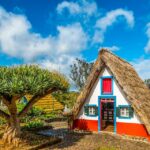
- Santana’s triangular straw-roof houses: the island’s most recognizable traditional architecture
- Ponta de São Lourenço: eastern peninsula viewpoints over north and south coast scenes
- Ribeiro Frio and levada-walk territory: learn how the laurissilva forest shaped Madeira
- Guide-led storytelling in multiple languages: narration in English, German, French, Portuguese, Spanish
- Comfort-focused touring: minibus transport (often air-conditioned) plus a clear speaker system
Riding Out East: Why This Route Beats Trying to DIY
Madeira’s east side has that classic island effect: you start near the coast, then climb into cloud lines, then drop back toward wild shorelines. The catch is that this is also where driving can feel intense. Roads get steep, curves are frequent, and viewpoints are spread out in a way that’s easy to underestimate when you’re planning solo.
This tour helps you avoid the problem by doing the heavy lifting: one set route, timed stops, and a guide explaining what you’re seeing as you go. From what I’ve gathered from guide experiences on past departures—names like Marco, Bruno, Nuno, and Patrícia—what tends to separate a good day from a great one is interpretation. Here, the guide is built into the ride, so you’re not just collecting photos. You’re also getting the why behind the where.
You also get practical comfort benefits. Pickup and drop-off are included around Funchal, and the small-group style means you spend more time looking out the window than searching for parking. For a day that includes multiple viewpoints and a peninsula drive, that matters.
You can also read our reviews of more tours and experiences in Madeira.


Terreiro da Luta Viewpoint: The Warm-Up Stop Before the Climb
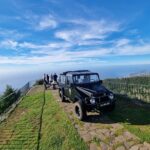
The day typically starts with either a pickup near Funchal’s Lido or a free hotel pickup in selected areas. Your first scenic hit is Terreiro da Luta, just outside Funchal. It’s not the big finale, but it’s a smart warm-up, because it gives you a sense of how Madeira stacks hills and ridgelines together.
This is the kind of stop that helps you read the rest of the day. Once you’ve seen the layout from above, Pico do Arieiro later on won’t feel random. It will feel like the natural progression of the island’s topography—up, up, then across.
Bring a light layer even if it’s warm in town. Viewpoints can cool fast, and wind can show up without asking permission. Also, if you’re the type who likes photos, arrive ready to shoot quickly—these stops are timed so the tour keeps moving.
Pico do Arieiro (1,818 m): Madeira’s Third-Highest Peak, Up Close
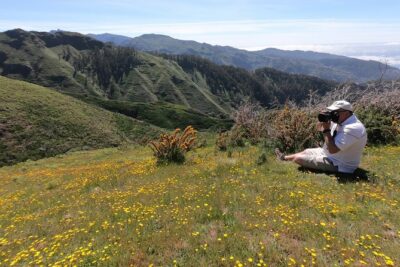
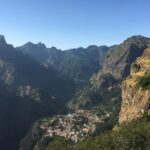
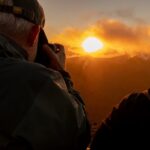
The headline moment for this tour is Pico do Arieiro at 1,818 meters, Madeira’s third-highest peak. The big value here is simple: it’s the kind of altitude viewpoint where the island stops looking like a postcard and starts looking like real terrain. You get wide views and the strong sense that weather is part of the scenery, not an inconvenience.
Expect an intense change from earlier coastal air. Even with decent visibility, the summit zone can feel harsher. One traveler note that rings true for many peak days: when Pico do Arieiro is cloudy, it can be cold. So pack for layers, and don’t assume you’re only dressing for the weather in Funchal.
When Weather Shuts the Road
There’s one planning reality you should know up front: the road to Pico do Arieiro can close due to weather. If that happens, the operator does an alternative stop instead of canceling the whole top highlight. This is one of those details that makes the tour more reliable than a DIY plan based entirely on one pin on a map.
If you’re traveling in winter months or shoulder season, I’d treat Pico do Arieiro as a bonus when visibility is good. Your day still works either way because you’re not depending on only one viewpoint.
Forest Descent and Coast Timing: Why the Drive Part Matters
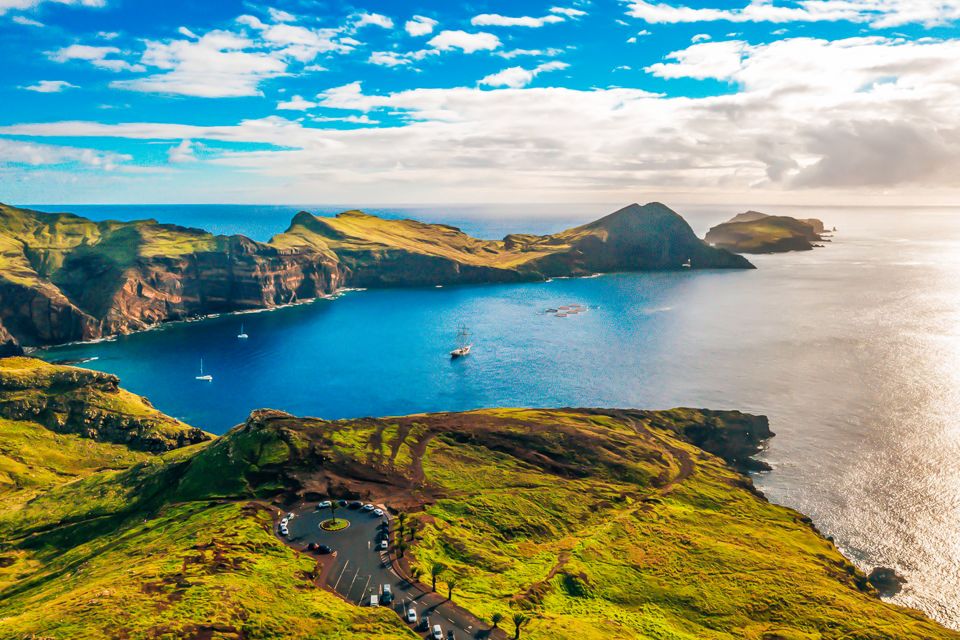
After the high peak, the tour heads back down through forest toward the coast. This isn’t just transit—it’s part of what makes the route feel complete.
Madeira’s forests used to cover much of the island, and you’ll hear about laurissilva—a relic from prehistoric times. The practical takeaway for you: you’re seeing how the island’s vegetation is tied to altitude, moisture, and long-term climate patterns. Even if you only catch part of the explanation while looking out the window, it gives context to the green you’ll see later.
The guide narration often turns these in-between drives into story time. On many departures, guides like Marco or Bruno are praised for staying informative through the whole day, not just during the big stops. That means you’re more likely to notice details—rock forms, vegetation changes, and the way valleys open toward the sea.
Santana’s Straw-Roof Triangles: A Traditional Village Worth Slowing Down For
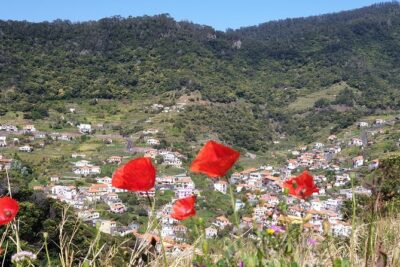
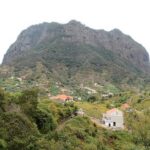
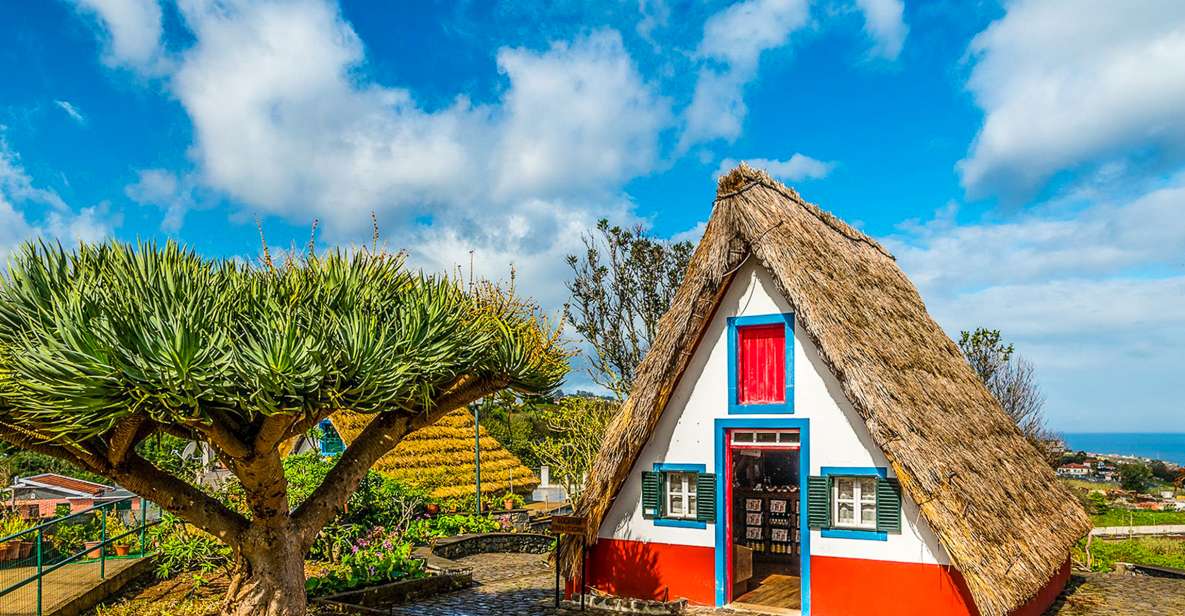
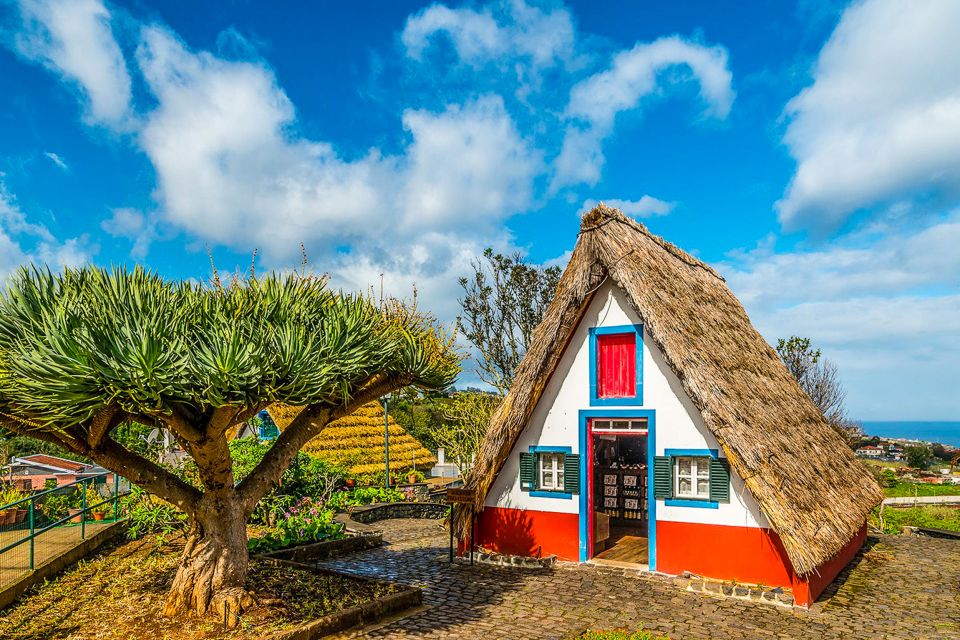
Lunch is built into the visit to Santana, known for its small, thatched triangular houses. This stop is one of the best ways to connect Madeira’s scenic identity to how people actually lived. The houses aren’t just quaint. Their shape and materials reflect local building traditions shaped by wind, rain, and available resources.
The practical value for you is timing and pacing. Santana is often the kind of place that can get rushed if you’re scrambling around on your own. Here, the tour stops long enough for you to look around, eat, and take photos without feeling like you’re sprinting.
What to Do at This Stop
If you like architecture and street scenes, slow your pace. Walk a few lanes, look for vantage points, and compare what you see in front of you to what you expected from photos. The best viewing usually comes from stepping back—letting the houses and their surroundings sit together in frame.
And if you want a local meal recommendation, this tour’s guides have a reputation for pointing people toward good value options. One note I picked up from past comments: guides often suggest where to eat in Santana, and the guidance can help you avoid tourist-trap guessing.
Ribeiro Frio and Levada-Walk Territory: Trout Pools and Forest Logic
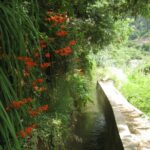
Another early-to-mid day highlight is Ribeiro Frio, on the northern slopes. This is a major start point for levada walks, which are Madeira’s famous irrigation routes. Even if you’re not doing a full walk that day, this stop matters because it explains how Madeira works—water management as a landscape-making system.
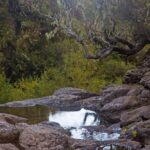
You can also see trout pools here, which adds a different flavor to the scenery. It’s not all geology and clouds; there’s a working, maintained side to this part of the island. That mix keeps the day from turning into only viewpoint chasing.
The Laurissilva Connection
Madeira’s laurissilva forest is more than an environmental fact. It’s tied to how the island stayed lush over long periods of time and how microclimates protect certain vegetation. The guide explanation you’ll hear on this stop helps you understand why the island can look different on opposite sides, even at similar elevations.
If you’re the kind of visitor who likes to connect dots—nature to human systems—this is where the tour quietly earns its keep.
Ponta de São Lourenço: The East Peninsula’s Wind, Rocks, and Sea Views
As the route pushes into Madeira’s far east, you arrive at Ponta de São Lourenço. This is one of those places where words like dramatic actually help, because the combination of rocks, sea, and nature is intense. The peninsula setting creates wide horizons and that feeling of standing at the edge of the island.
This stop is especially good on a clear day. You’ll see the north and south coastal scenes, and the rugged shoreline makes the island look more exposed than the lush interior. Even when light is changing, the rocks keep their character.
A Good Strategy for This Stop
Stay flexible with your time here. Wind can change fast, and cloud cover can brighten or dim the rock formations. I’d rather you spend a little extra time looking at details—rock textures, coastline shapes, and how the water breaks—than trying to sprint through photo spots.
If you’re sensitive to cold, bring that layer again. The coast can feel cooler than inland viewpoints.
Machico Bay: Ending with a Golden Sandy View
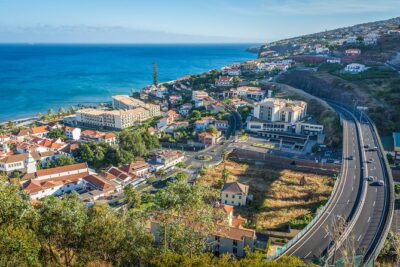
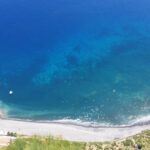
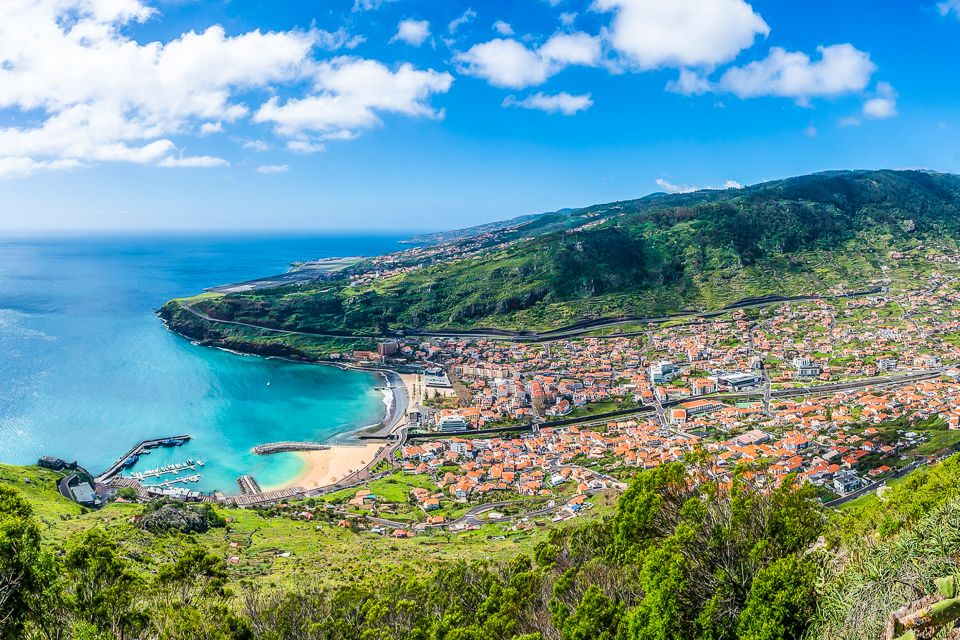
The final town stop is Machico, with a viewpoint over the bay. Madeira’s east has a reputation for being “less postcard perfect” than the west, but Machico adds a softer finish to the day: a bay perspective and a sense of scale for the island.
You’ll get a view over the coastline and the area’s golden sandy beach look (as described for Machico). It’s a good way to bring the day full circle: from the summit air back down to sea level.
By now, you’ll likely appreciate the calm. After peak heights and long drives, looking out over the bay feels like breathing room.
Price and Logistics: What $42 Buys in a Full-Day Tour
At $42 per person for an 8-hour day, this tour is in the value zone for Madeira. The price matters less than what’s included, and here the checklist is solid: free pickup and drop-off in the Funchal area, plus all taxes and fuel surcharges. You’re also paying for live guiding in several languages—so you’re not just buying transport.
Lunch isn’t included, so you’ll budget extra for that meal. Still, the overall value tends to be strong because you’re getting a structured route that covers key east-side highlights without needing to rent a car or coordinate multiple taxis.
Who This Is Best For
This is ideal if you:
- Want the highlights of east Madeira but don’t want to drive yourself
- Appreciate guide commentary while riding between scattered viewpoints
- Like a mix of big views and traditional culture, not just one type of scenery
It also helps if you’re short on time. In one day you can cover Pico do Arieiro, Santana, Ponta de São Lourenço, and end in Machico.
A Possible Downside to Keep in Mind
A day like this runs on timing, and that can be tough if you hate buses or dislike fixed schedules. Also, vehicle comfort can vary—some departures have used a minibus sized for around 17 people, and as with any group setting, seats near the back can feel less comfortable on longer rides. If that’s you, choose the seat location you prefer early in boarding.
Finally, remember the weather reality: the Pico do Arieiro road can close. That’s not a deal-breaker, but it does mean your day is partly at the mercy of conditions up high.
Guides and the Little Touches That Make a Difference
One thing that keeps showing up in positive feedback is that guides try to turn the day into more than stop-and-go sightseeing. Names like Marco, Bruno, Nuno, Patrícia, and Luciano show up as examples of guides who connect with people and explain what they’re looking at.
You’ll also notice practical details like a working speaker system on the bus. That matters on winding roads, when it’s hard to hear someone over motion or wind noise. On some departures, guides also handle multilingual groups by switching languages, so you should be prepared for the narration flow to match the group mix.
A small tip: if you want to eat well without spending time hunting, take the guide’s suggestions seriously—especially for lunch in Santana and for local drinks. Past guidance has included recommendations for poncha spots, with the passion fruit version being a standout for at least one visitor.
Should You Book the Best of the East Tour from Funchal?
I’d book it if you want a smart, time-efficient way to cover east Madeira’s signature stops. The combination of Pico do Arieiro, Santana, and Ponta de São Lourenço is exactly the kind of route that works best with a local guide doing the driving and interpreting.
Choose it if:
- You don’t want to rent a car or wrestle with narrow roads
- You want the tour structure of set stops and good timing
- You like learning the “why” behind the views, from laurissilva to levadas
Skip it (or at least think twice) if:
- You’re picky about exact weather-dependent landmarks and hate alternatives
- You want total freedom to linger for hours in one place
- You’re sensitive to bus schedules or longer rides between viewpoints
For most visitors, this tour is a solid value play: one day, multiple icons, and a guide who helps it all click.
FAQ
Where does the tour start in Funchal?
The tour departs from the meeting point at Funchal’s Lido, or you can use free hotel pickup in selected areas.
How long is the Madeira Best of the East Tour?
It runs for 8 hours.
What are the main stops or highlights?
Key highlights include a drive to Pico do Arieiro, a visit to Santana, and views from Ponta de São Lourenço, plus additional viewpoints and stops such as Machico and Ribeiro Frio.
Is lunch included in the price?
No. Lunch is not included.
Is pickup included?
Yes. Free pickup and drop-off are included in the Funchal area, in selected hotels/areas.
What languages are offered for the live tour guide?
The live guide is available in Spanish, English, French, German, and Portuguese.
What happens if the Pico do Arieiro road is closed due to weather?
The road may occasionally be closed, and in that case the operator will do an alternative instead of the Pico do Arieiro stop.
Is there a private group option?
Yes. Private group tours are available.
Can I cancel for a full refund?
Yes. Free cancellation is available up to 24 hours in advance for a full refund.