REVIEW · MADEIRA
Incredible tour to a ‘Faja’ with a story
Book on Viator →Operated by Faja dos Padres · Bookable on Viator
A coastal farm ride with a story. That’s the feel of a visit to Fajã dos Padres, a working organic farm on Madeira’s south coast that you reach by cable car or boat—and then spend a focused two hours soaking in sea views and fruit-growing life.
I love two things right away: the chance to see an organic farm that’s operating for real, not just for photos, and the way the experience is guided by Fatima, who clearly enjoys telling the place’s story and sharing what’s growing. The views from the cable car and the terrace make everything feel a little extra worthwhile.
One thing to plan for: the cable car ride takes nerves (it’s not for the faint-hearted), and the tour can include some promotion around staying at the property. It’s not a deal-breaker, but it helps to know that going in.
In This Review
- Key things to know before you go
- Why Fajã dos Padres feels unlike the usual Madeira stops
- Getting there: the 10:30 meeting point and the cable car reality check
- What the two-hour walk actually feels like on-site
- The Jesuit story you’ll hear from Fatima
- Fruit tasting: what to expect and how to make it count
- Restaurant terrace lunch: optional, but worth thinking through
- Views from the cable car and why they’re part of the value
- Price and what you’re really paying for
- Who this tour suits best (and who should reconsider)
- Practical planning: weather, small group size, and meal decisions
- Should you book Fajã dos Padres?
- FAQ
- How long is the tour?
- How much does it cost?
- What language is the tour offered in?
- What’s included in the price?
- Where does the tour start and end?
- What is the maximum group size?
- How do you reach Fajã dos Padres?
- Is lunch at the restaurant included?
- Is the experience suitable for people with walking limitations?
- Is weather important for this activity?
Key things to know before you go
- Sea-access only: You reach the fajã by cable car or by sea, so it’s not a casual walk from town.
- A small group feel: Maximum group size is 12, which keeps the tour personal.
- Fatima guides the experience: Her storytelling and farm passion are a big reason this tour scores so well.
- Fruit tasting is part of the deal: You’ll sample produce from the farm, and it’s best to come with an open mind.
- Lunch is optional but popular: If you want a meal on the restaurant terrace, book it for the same day when you can.
- Bring good weather in your calendar: The activity depends on good weather.
Why Fajã dos Padres feels unlike the usual Madeira stops
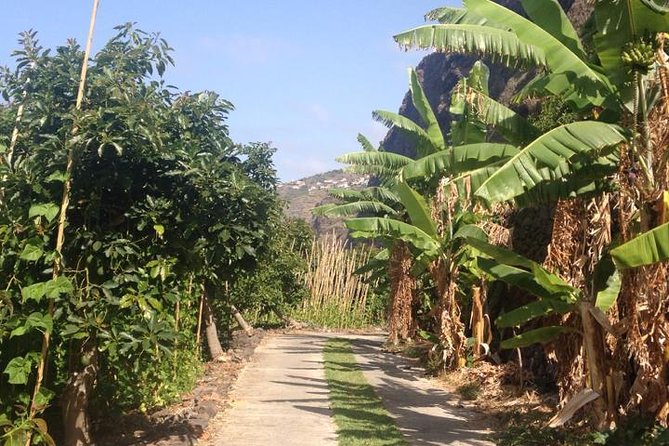
On Madeira, it’s easy to bounce from viewpoint to viewpoint. This tour slows you down and drops you into working countryside that happens to sit right next to the water.
Fajã dos Padres is an organic farm on the sea, part of Madeira’s fajã tradition—coastal areas that can feel cut off from the rest of the island in a good way. You’re not just seeing orchards. You’re seeing the whole system: fruit and vegetables grown on-site, a pebble beach stretching across the area, and a restaurant that leans heavily on what the farm produces.
What makes it especially interesting is the human thread. You hear the history of this fajã starting with Jesuits who first inhabited it about 150 years ago, and then you connect that past to what’s grown here now. You’ll come away feeling like you learned something real about how this place developed—not just a quick scenic stop.
You can also read our reviews of more tours and experiences in Madeira.

Getting there: the 10:30 meeting point and the cable car reality check
The tour starts at 10:30 am back at the meeting point at Fajã dos Padres, at Estr. Padre António Dinis Henrique 1, 9300-261 Quinta Grande, Portugal. The activity ends back at the meeting point, so you’re not dealing with a long transfer puzzle at the end of the day.
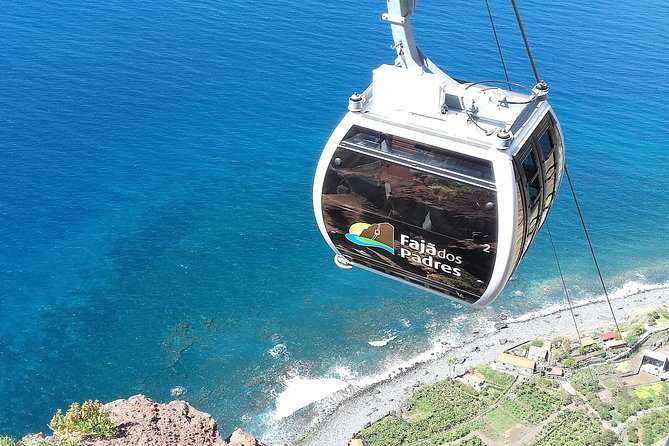
Since the fajã is accessible only by cable car or sea, transportation is the biggest factor in your comfort level. The cable car is often described as a must for those who like the views—and a no-thanks for anyone who gets nervous with heights or tight spaces. If you’re even slightly unsure, this is where you decide early, before you’re standing there.
This also affects timing. Aim to arrive early enough to get settled and take in the start of the ride without feeling rushed. And if you’re prone to motion or height anxiety, decide whether the sea option (mentioned as a way to access the fajã) makes more sense for you.
What the two-hour walk actually feels like on-site
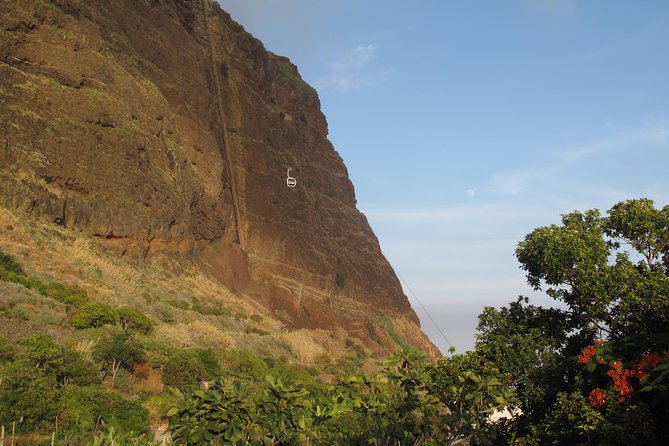
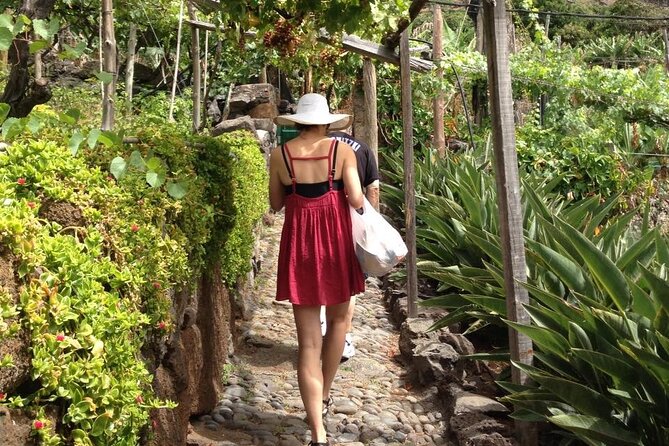
Once you reach the fajã, the tone changes quickly. It becomes quiet and practical, the way working farms often feel: paths through orchards, attention to what’s in season, and a sense of routine. Even though you’re there for a tour, you’re also seeing an active place that needs the day-to-day work to keep going.
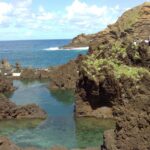
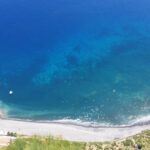
You’ll be in an area defined by the sea. There’s an extended pebble beach, and the ocean is always present in your peripheral vision. That’s a big part of why the terrace at the restaurant feels special—because it’s not just a view; it’s the actual setting of the farm.
There are visitor facilities like showers and cabins, and the property is set up for people to spend time there. That matters because two hours can feel short, but the site is designed for lingering. If you want to stretch the experience, it’s a place that naturally invites an extra hour just to slow down.
The Jesuit story you’ll hear from Fatima
A lot of tours hand you a few facts and then move on. This one uses the farm as the backdrop for a longer narrative.
Fatima is the guide many people remember, and it’s because she’s passionate and specific. You’ll hear about the fajã’s origins with Jesuits about 150 years ago and how that early chapter connects to the continuing life of the place. The story doesn’t float above the ground—it ties back to how people built, farmed, and lived in a coastal setting that’s not easy to reach.
This is one of the best parts of the experience because it turns a scenery visit into something you can actually explain later. Instead of saying Madeira is beautiful, you’ll be able to say what makes this fajã historically unusual and how that history still shows up in the farm’s rhythm.
Fruit tasting: what to expect and how to make it count
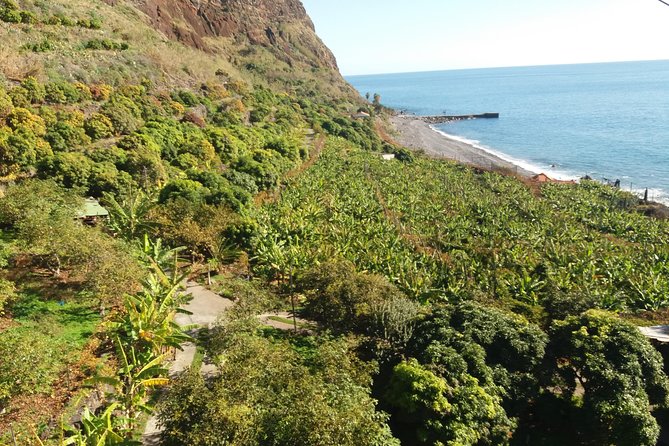
Fruit tasting is included in the experience, and this is where the tour really becomes personal. The flavor feedback from people tends to be consistent: produce tastes better when it’s grown locally and harvested in a way that keeps it fresh.
The tasting is also limited by what the farm produces and what’s in season. That’s not a problem; it’s part of the point. You’re tasting the farm’s reality, not an all-year menu designed for tourists.
Here’s how to make the most of it: pay attention to the guide’s cues about what’s growing and what the plants need. Even if you don’t become a fruit expert overnight, you’ll leave with a clearer sense of how farming decisions shape what you taste. And if you’re used to buying fruit that’s been shipped far, this is the contrast you’ll notice immediately.
One practical note: if you’re the type who gets hangry quickly, don’t treat the tasting as a substitute for a full meal. It’s a tasting, not a guaranteed heavy lunch.
Restaurant terrace lunch: optional, but worth thinking through
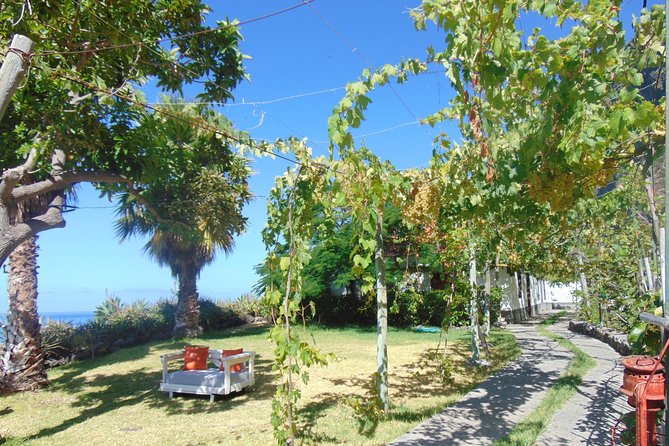
There’s a restaurant at Fajã dos Padres recognized for using locally grown organic produce, and it’s especially known for serving fresh fish. If you choose to dine on the terrace, you’re combining food with the best seat in the house—straight onto the sea.
This option can add value because it lets you extend the farm-to-table experience beyond the tour segment. The terrace setting is exactly the kind of place where you’ll stop checking your phone and start watching the light change over the water.
Do plan ahead if you want lunch. It can get booked up, so if this is part of your plan, treat lunch as something you reserve rather than something you hope for.
Views from the cable car and why they’re part of the value
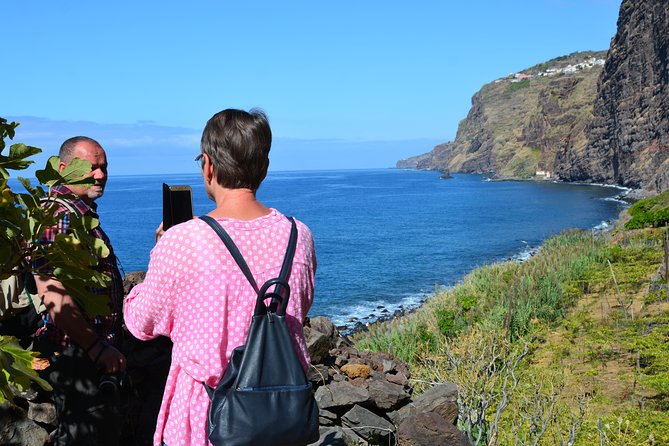
The views aren’t just a bonus. They’re a core part of what makes this tour feel different.
The ride from the cable car gives you a moving perspective before you even reach the farm, and once you’re at the fajã you get constant ocean framing. That’s a big deal because it changes the emotional payoff. You’re not just arriving at a point on a map; you’re working your way into a place.
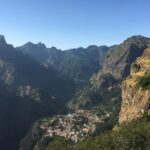
It also helps you understand the site. When you see the coastline from above, the sea-access part makes more sense. You start to get why this area developed the way it did and why the farm’s location matters.
Price and what you’re really paying for
At $42.33 per person for about two hours, this isn’t the cheapest tour on Madeira. But it also isn’t just a short photo stop. You’re paying for access to a working coastal organic farm, a guided narrative from Fatima, and the included admission ticket plus fruit tasting.
What makes it feel like fair value is the small group size (maximum 12). That keeps it more personal and less like a conveyor belt. You’re also getting a setting that you can’t easily stumble into on your own, because the fajã is reached by cable car or sea.
Still, keep your own priorities in mind. If you’re mainly chasing bargains, or if you want a long, end-to-end walking tour with lots of stops, this may feel short. But if you want a focused experience that mixes story, farm life, and food, it fits the bill.
Who this tour suits best (and who should reconsider)
This is a strong choice if you like:
- learning about place history while you’re standing in the real environment
- eating fruit that tastes like the season (not like a supermarket shelf)
- scenic moments that are connected to how people live, not just views for views’ sake
- small-group tours where the guide can actually talk
It’s not ideal if you have walking limitations. The tour is listed as not recommended for travelers with walking limitations, so take that seriously. The site and paths are part of the experience, and you don’t want to be stuck thinking about what you can’t do.
Also, if the cable car scares you, consider your comfort level before booking. The views are worth a lot to many people, but your body and nerves come first.
Practical planning: weather, small group size, and meal decisions
This experience requires good weather. If conditions are too poor and the tour gets canceled due to weather, you’ll be offered another date or a full refund. That’s important because the fajã access depends on the day being workable.
Your best planning move is to treat the experience like a half-morning event. Arrive early, enjoy the ride, and decide whether you want lunch right away. The restaurant terrace can be popular, so if you want a meal, plan for it on the same day.
One more practical perk: service animals are allowed, and the meeting point is near public transportation. That can make the start easier if you’re staying in the right part of Madeira.
Should you book Fajã dos Padres?
If you want a Madeira tour that’s more than scenery, I’d book it. The combination of a working organic farm, the Jesuit-era story, and the sea-access setting makes it feel purposeful. The included fruit tasting and the option to eat fresh produce and fish on the terrace push it from okay to memorable.
You should think twice if:
- cable cars make you uneasy
- you need a tour that’s very accessible for mobility concerns
- you’re trying to avoid any kind of promotion around on-site stays or upgrades
If those aren’t issues for you, this is a great way to spend two hours in a real place—one that feels tucked away, yet still easy to enjoy with a guide like Fatima.
FAQ
How long is the tour?
The experience lasts about 2 hours.
How much does it cost?
It costs $42.33 per person.
What language is the tour offered in?
The tour is offered in English.
What’s included in the price?
The admission ticket is included, and fruit tasting is part of the experience.
Where does the tour start and end?
The tour starts at Fajã dos Padres (Estr. Padre António Dinis Henrique 1, 9300-261 Quinta Grande, Portugal) and ends back at the same meeting point.
What is the maximum group size?
The group is limited to a maximum of 12 travelers.
How do you reach Fajã dos Padres?
It can be accessed only by cable car or by sea.
Is lunch at the restaurant included?
You can opt to dine on the restaurant terrace to sample produce, but the data does not say lunch is automatically included for everyone.
Is the experience suitable for people with walking limitations?
It is not recommended for travelers with walking limitations.
Is weather important for this activity?
Yes, the experience requires good weather. If it’s canceled due to poor weather, you’ll be offered another date or a full refund.