REVIEW · MADEIRA
Coasteering Tour – Cliff jumping, swimming, scrambling.
Book on Viator →Operated by Discovery Island Madeira · Bookable on Viator
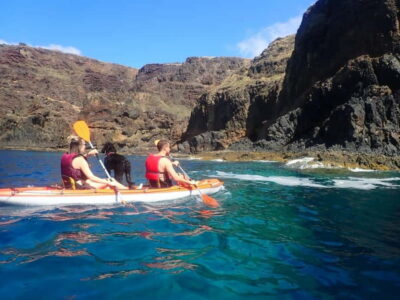
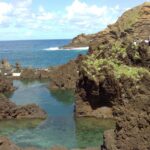
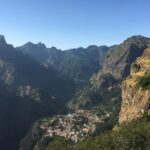
Cliffs, water, and a few brave jumps. Coasteering here mixes rocky shoreline scrambling with swims in clear Atlantic water in Ponta de São Lourenço, plus optional cliff jumps set against dramatic views of mountains meeting the sea. It’s the kind of morning where you’re busy the whole time, and the scenery keeps changing every few minutes.
I love how safe, step-by-step coaching keeps the fun going whether you’re new to heights or ready for bigger jumps. I also like the practical setup: hotel pickup is on time, the gear helps you stay comfortable, and the group stays small enough to feel human (not just “tour-group herding”). One thing to consider: like many outdoor activities, plans can shift if conditions or sign-ups fall short, so double-check what you’re scheduled to do that day and follow up on any promised extras like photos.
In This Review
- Quick Hits Before You Go
- Madeira Coasteering: Why This Shore Works So Well
- The 9:00 am Timeline: Pickup to First Moves
- Hotel pickup at the designated time
- Getting geared up and briefed
- Head to the coast and begin the route
- Safety-First Coaching That Still Feels Like Fun
- Choosing Your Adventure: Swimming, Scrambling, and Optional Jumps
- Swimming and snorkel time in clear water
- Scrambling along lava rock and rugged shoreline
- Cliff jumping from 1 to 10 meters (optional)
- Hidden Caves and the Rocky Route Beyond the Obvious
- What Gear Feels Like in Real Life (And Why You’ll Care)
- Group Size, Solo Comfort, and How Long 4 Hours Really Is
- Price and Value: Does $84.48 Make Sense?
- Who This Coasteering Tour Fits (And Who Should Skip It)
- Weather Reality: What Happens If Seas Don’t Cooperate
- Should You Book This Coasteering Tour?
- FAQ
- Where does the coasteering tour start?
- What time does the tour begin?
- How long is the experience?
- Is hotel pickup included?
- What languages is the tour offered in?
- Are cliff jumps included, and what heights are possible?
- Is there a minimum age or height requirement?
- What if the weather is bad or the tour can’t run?
Quick Hits Before You Go
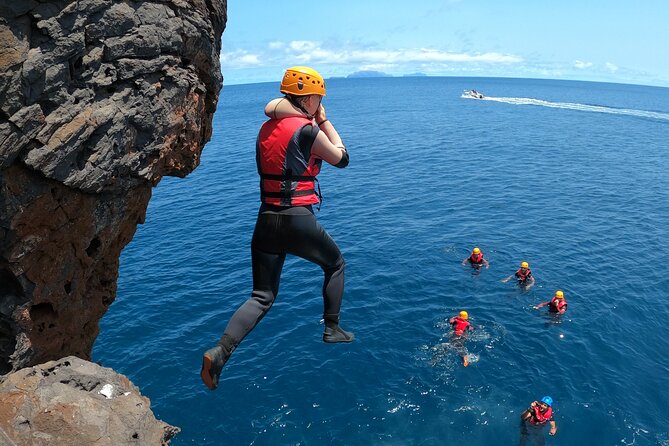
- Ponta de São Lourenço: rugged cliffs and clear water make for a high-impact coasteering stretch
- Optional jump range (1 to 10 meters): choose your comfort level and level up only if you want
- Expert guidance: coaches manage safety while teaching you how to handle steps, entries, and exits
- Small-group feel: maximum 20 people, and it can be much smaller on some departures
- Hotel pickup included: distinctive vehicles pick you up right at your accommodation
Madeira Coasteering: Why This Shore Works So Well
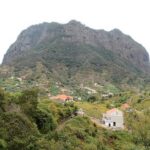
Madeira is famous for dramatic coastlines, but Ponta de São Lourenço is especially built for coasteering. You’re walking along jagged rock and dark lava outcrops right where the Atlantic is doing its loud job. That matters because coasteering is part water play, part controlled climbing, and this coast offers lots of “movement options” even when the sea is doing its thing.
What you get is a mix of moments that hit different parts of your brain:
- Swim and snorkel time where you can enjoy the water without needing to be an athlete.
- Scrambling along the shore where the terrain forces you to pay attention (in a good way).
- Cliff jumping where the view is the reward, and good coaching makes the jump feel doable.
The tour runs about 4 hours starting at 9:00 am, which is a smart time of day. You’re active early, and you avoid turning the rest of the day into a recovery plan.
You can also read our reviews of more tours and experiences in Madeira.

The 9:00 am Timeline: Pickup to First Moves
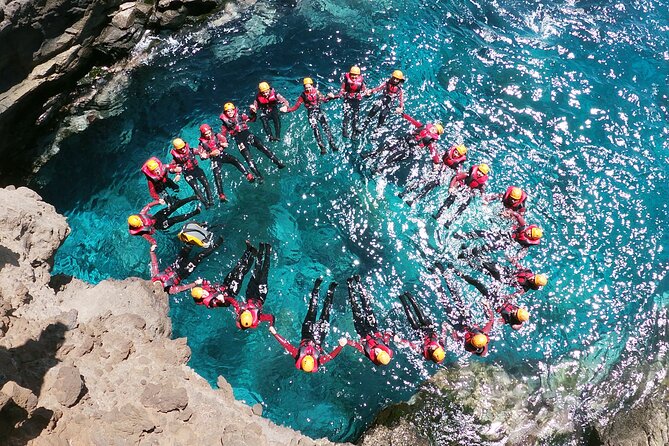
This is a full-morning active experience, not a “meet, watch, and snack.” Here’s the rhythm you should expect.
Hotel pickup at the designated time
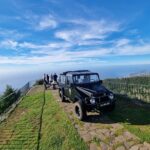
Pickup is offered from your hotel or accommodation. The vehicles are identifiable by a distinctive color and logo on the doors, and the driver/guide waits outside reception at your pickup time. This matters because coasteering spots are not usually in the middle of town, so arriving on the right schedule helps you start while conditions are best.
Getting geared up and briefed
Before you’re in the water, you’ll get instruction on what to do on the rocky sections and how jumps will work. The guides emphasize safety while still keeping it fun, and that “serious but relaxed” tone is exactly what you want when you’re dealing with slippery rock and varying jump heights.
Head to the coast and begin the route
From there, you’ll move into the active part: scrambling, swimming, and choosing optional jumps. With a max of 20 travelers, the group stays manageable enough for the guide to watch entries and exits closely.

Safety-First Coaching That Still Feels Like Fun
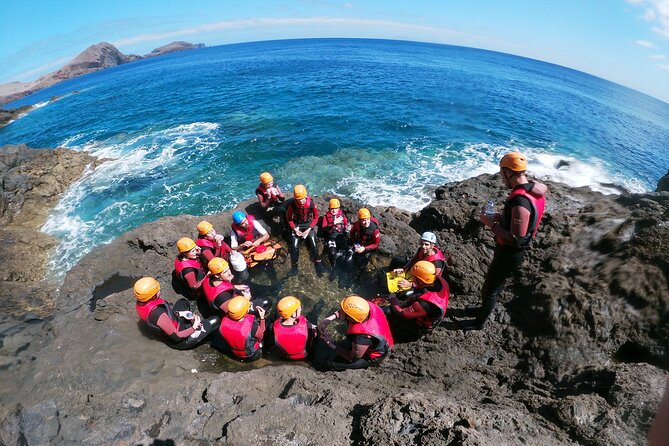
The biggest reason this tour has such high marks is the way the guides handle safety. Not “scare people into doing it right.” More like: teach you, check you, and help you stay confident.
In particular, the guides (including Beto and Alex) are known for keeping everyone safe while giving you real choices. That’s not just comforting—it changes how you experience the entire morning.
Here’s what good coaching looks like in practice:
- They help you start with easier jump options and build from there.
- They’re alert to people who feel uneasy about heights.
- They pay attention to the parts people forget, like how you’ll get back down or climb up after a jump.
If you have a fear of heights, this matters. One of the most useful things you can learn is that the hardest part might not be the jump itself—it can be the process of returning along the route. The guides’ patience makes that manageable.
Choosing Your Adventure: Swimming, Scrambling, and Optional Jumps
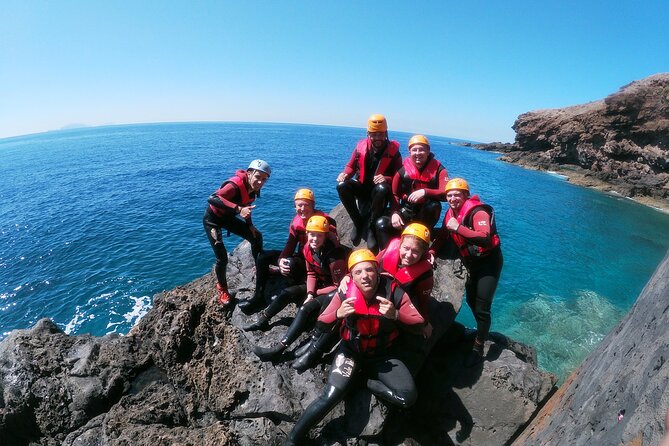
This is where the tour feels most alive. Coasteering isn’t a single activity; it’s a sequence of mini-challenges.
Swimming and snorkel time in clear water
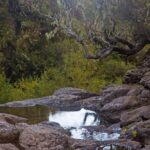
You’ll spend time in the water—swimming and snorkeling—so you can cool off and enjoy Madeira’s coastline without doing anything overly technical. The water is described as clear, and the experience is built around getting you close to the coast rather than just floating on the surface.
Scrambling along lava rock and rugged shoreline
Between water sections, you’ll climb and scramble over uneven rock. This isn’t a “walk on flat ground” situation. You don’t need to be a mountaineer, but you do need to be comfortable using your hands a bit and watching your footing.
The rocky sections are also part of the fun. Every time you think you’ve seen the hardest bit, the route shifts and gives you a new view—often with mountains dropping down toward the sea.
Cliff jumping from 1 to 10 meters (optional)
Jump heights are optional, ranging from 1 to 10 meters. That’s a huge plus because you can match the jump to your comfort level today, not just your bravado.
What I like about this setup:
- You can take a beginner jump first and see how it feels.
- If you’re comfortable, you can go higher later.
- If you’re not, you still get a full coasteering experience without feeling left out.
The “real value” here is that you’re not trapped in a single skill mode. You can be cautious and still get the full story of the coast.
Hidden Caves and the Rocky Route Beyond the Obvious
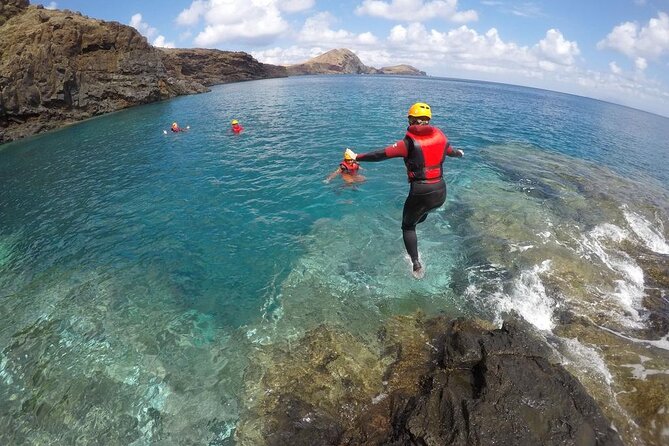
The tour includes exploration of hidden caves and rocky shoreline areas. Even without a rigid “stop 1 / stop 2” structure, you can expect moments where the coastline opens up into something more sheltered and strange-looking than the open water.
This is one reason coasteering feels different from a standard beach day. You’re moving through places shaped by erosion, rock folds, and small inlets. The caves and sheltered spots add variety—and they also force the route to change, which keeps your mind engaged.
If you’re the type who likes photos, this is also where the “wow” shots usually happen: jagged rock, ocean surface, and that high-contrast Madeira light.
What Gear Feels Like in Real Life (And Why You’ll Care)
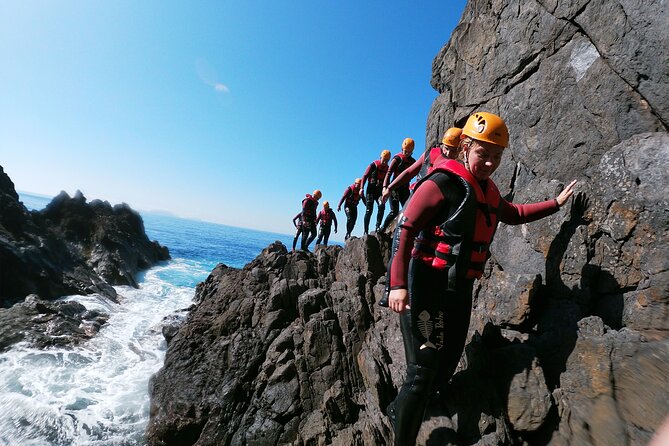
The tour provides equipment for the activity, and one of the standout practical points is comfort. People note that they didn’t get cold despite the season, which tells me the gear is meant for actual use—not just rented “props.”
You’ll still want to dress smartly for a wet, rocky morning:
- Wear whatever footwear you’ve brought that can handle water and uneven footing.
- Expect to get splashed and possibly soaked during swims and entries.
- Bring a small dry bag for the end of the day.
Even if you’re warm in the air, conditions at the coast can change fast. The good news: the tour is built around water time, and the setup is meant to keep you in the game.
Group Size, Solo Comfort, and How Long 4 Hours Really Is
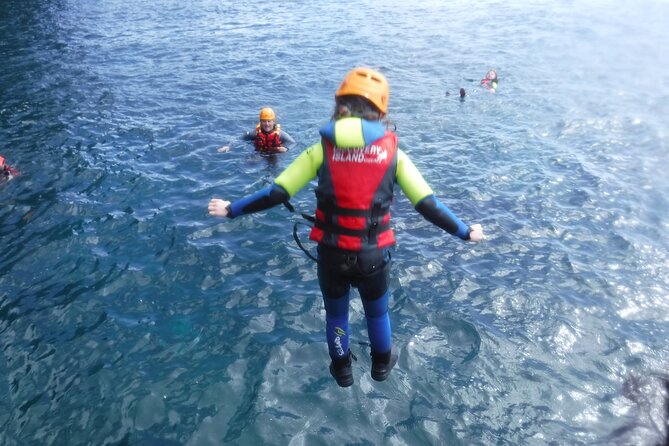
With a maximum of 20 travelers, you won’t be stuck in a huge mob. On at least some departures, the group can be very small (for example, around six people), which makes it feel welcoming, especially if you’re traveling solo.
For you, the practical benefit is pacing. When there are fewer people, the guide can give clearer instructions, and you get more time adjusting between activities—like climbing into a jump setup or regrouping after a swim.
And about the timing: four hours sounds short until you do it. You’re constantly moving. Climbing burns energy. Water chills you a bit. Jumping adds adrenaline. By the end, you’ll feel it in a good way—more like you earned the view than just looked at it.
Price and Value: Does $84.48 Make Sense?
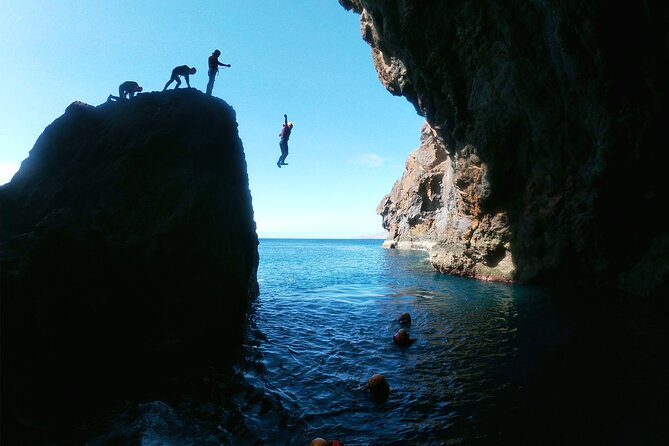
The price is $84.48 per person for about 4 hours. That’s not a “bargain activity,” but it also isn’t a splurge when you weigh it against what you’re actually getting: guided coastal route work, safety coaching for optional jumps, equipment provision, and hotel pickup.
To decide if it’s good value for you, ask:
- Do you want an active, guided morning rather than a passive sightseeing block?
- Are you excited by cliff jumps but want them controlled and coached?
- Do you like water + rock challenges in one package?
If yes, this is strong value. If you’re looking for a calm walk and a quick swim, you might find it a bit too intense.
Also, the tour is booked on average about 25 days in advance, which suggests it’s popular. Booking earlier can help you avoid the “later date only” problem during busy seasons.
Who This Coasteering Tour Fits (And Who Should Skip It)
Most travelers can participate, but there are clear restrictions for kids:
- No children under 7
- No children under 1.20 meters tall
That makes sense because coasteering requires safe handling of height changes and rocky footing. If you’re traveling with a younger child, this likely won’t be the right match.
Who tends to love it:
- Active travelers who enjoy swimming and scrambling
- People who want optional challenge levels (jump 1 meter or jump higher)
- Anyone who values safety guidance, not just adrenaline
Who might not:
- People who can’t manage uneven, slippery terrain even with support
- Anyone who expects a leisurely pace or minimal physical effort
If you’re nervous about heights, don’t automatically skip it. The coaching is specifically described as empathetic and patient, including help with the parts that make people most afraid.
Weather Reality: What Happens If Seas Don’t Cooperate
This experience requires good weather. If it’s canceled due to poor weather, you’ll be offered a different date or a full refund. There’s also a minimum number of travelers needed for it to run; if that minimum isn’t met, they’ll offer another date/experience or a full refund.
That’s the reality of outdoor coasteering on an exposed coast. The upside is they handle the decision with enough notice to give you options.
One caution from real-world experience: if your plan changes at the last minute (for example, due to minimum sign-ups), make sure you confirm what activity you’re doing that day and check that any photo links or promised extras match the actual activity. Clear communication saves frustration.
Should You Book This Coasteering Tour?
Book it if you want a guided Madeira experience that’s physical, scenic, and genuinely structured around your comfort level. The optional jump heights from 1 to 10 meters, plus coaching that helps people handle fear of heights, is the core reason this tour works for so many different personalities.
Skip it if you want a calm, low-effort outing, or if rocky terrain and water time feel like a mismatch for you. Also, if you’re the type who cares a lot about getting photos afterward, be proactive on the day changes side and confirm details early.
Overall, this is a high-activity way to spend a Madeira morning—one that uses the best kind of local environment: cliffs, clear water, and guides who take safety seriously without sucking the fun out of it.
FAQ
Where does the coasteering tour start?
It starts at Ponta de São Lourenço, 9200-044 Caniçal, Portugal.
What time does the tour begin?
The start time is 9:00 am.
How long is the experience?
It lasts about 4 hours.
Is hotel pickup included?
Yes. Pickup is offered from your hotel or accommodation, and the driver/guide waits outside reception at the designated pickup time.
What languages is the tour offered in?
The tour is offered in English.
Are cliff jumps included, and what heights are possible?
Cliff jumping is part of the experience, with optional jump heights ranging from 1 to 10 meters.
Is there a minimum age or height requirement?
Yes. Children under 7 years old and children shorter than 1.20 meters are not allowed.
What if the weather is bad or the tour can’t run?
The experience requires good weather. If it’s canceled due to poor weather, you’ll be offered a different date or a full refund. If it doesn’t meet the minimum number of travelers, you’ll be offered a different date/experience or a full refund.