REVIEW · MADEIRA
Ponta de São Lourenço Walk
Book on Viator →Operated by Madeira Happy Tours · Bookable on Viator
Seabirds and cliffs on wild Madeira. This full-day guided hike to Ponta de São Lourenço is one of the best ways to see the eastern side of Madeira, where the island feels drier and far more exposed than the lush areas most people picture.
I love the combination of dramatic ocean views on both coasts and the fact that you’re walking through an official natural reserve area tied to Natura 2000 protection. The guide adds live commentary that helps you connect the landscape with local fauna, not just pass through it.
The main drawback is simple: this is a hike for people with strong physical fitness. The route can include loose rocks, and at the very end there’s an optional climb toward the peak where railings are missing, so you’ll want good footing and a calm head.
In This Review
- Key takeaways before you go
- Why Ponta de São Lourenço feels so different from the rest of Madeira
- Natura 2000 seabirds and the science of spotting them
- Getting from central Funchal to the start of the hike
- What “a full-day hike” actually means here
- Walking the eastern peninsula: stop at Ponta de São Lourenço
- The Casa do Sardinha rest point and why it’s more than a pause
- Footing, loose rocks, and the optional climb near the peak
- Price and logistics: is €value good for a 6–7 hour guided hike?
- What to bring so the hike feels easy, not stressful
- Who this Madeira hike is best for
- Weather rules: when the views change
- Should you book this Ponta de São Lourenço walk?
- FAQ
- How long is the Ponta de São Lourenço walk?
- Where is the meeting point in Funchal?
- What time does the tour start?
- Is the tour guided, and what language is offered?
- What does the tour price include?
- What should I bring since lunch and water aren’t included?
- How difficult is the hike?
- What happens if the weather is bad?
- Is there a cancellation window?
Key takeaways before you go
- Small group size (max 15) makes the pace feel human and safety checks easier.
- Live English commentary turns the scenery into something you can understand, especially the birdlife.
- Natura 2000 natural reserve means you’re walking in a protected habitat, not just pretty coastline.
- Stunning viewpoints can include the Desertas in the south and Porto Santo in the north, if weather allows.
- Wear hiking boots for loose-rock sections and for any optional spur toward the peak.
Why Ponta de São Lourenço feels so different from the rest of Madeira
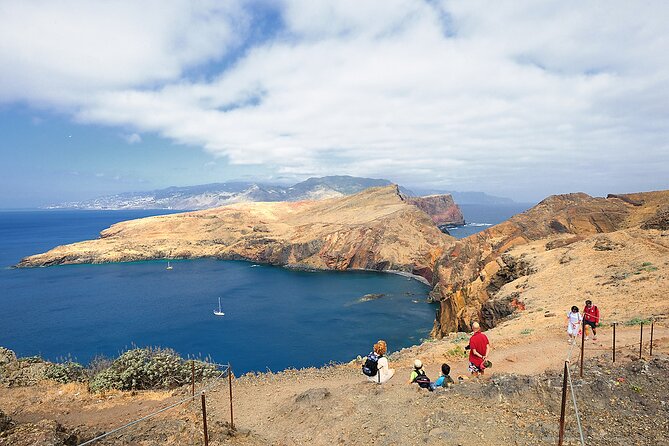
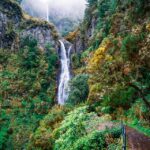
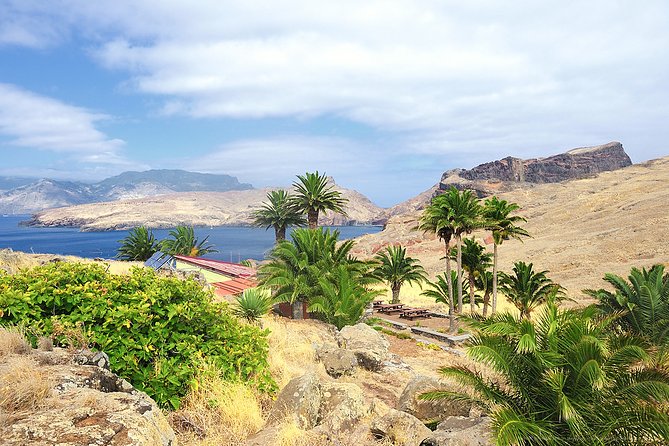
Most of Madeira’s fame comes from hillsides that look green from a distance. Ponta de São Lourenço flips that idea. Along this eastern peninsula, trees are scarce and the vegetation is low and scrubby, so the island reads more like volcanic terrain shaped by wind, salt, and sun.
That change matters because it makes the hike feel like you’re in a different Madeira ecosystem. You’re surrounded by cliffs, open rock, and the constant motion of the Atlantic. If you’ve already done a couple of inland viewpoints, this route gives your trip contrast without needing a different island or complicated travel.
And the wildlife adds another layer. This area is classified as a partial natural reserve and part of the Natura 2000 network, which is Europe’s framework for protecting important habitats. In practice, that means seabird nesting sites are a big deal here.
You can also read our reviews of more walking tours in Madeira
Natura 2000 seabirds and the science of spotting them
One of the best reasons to take a guided walk instead of just going on your own is that the guide helps you focus. You’re not only looking at rocks and cliffs. You’re learning how to notice patterns in where birds feed, rest, or nest.
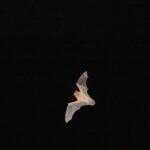
This peninsula is known for protected seabirds such as Cory’s Shearwater, the Madeiran Storm-Petrel, Bulwer’s Petrel, and the Common Tern. You may also hear or see other species like the Berthelow’s Pipit, the Goldfinch, and the Canary.
I like the way this shifts your attention. Instead of scanning randomly, you start looking with a purpose. You’ll still enjoy the views, but your guide’s commentary makes the birdlife feel grounded in something real.
Getting from central Funchal to the start of the hike
The hike starts in Funchal, with a 8:30 am start time. The good news is the pickup setup is simple. You’ll meet either by the cable car station in the old town area or at the Rotunda do Infante roundabout—two central options for getting everyone together without long transfers.
This matters for value. You’re paying for a guided full-day walk, not for extra bus rides. Also, having pickup means you don’t need to figure out local timing or parking right before a hike that’s already long and physically demanding.
The group size is also capped at a maximum of 15 travelers. That small number helps with things like keeping everyone together on uneven ground and taking short stops for photos or bird-spotting without feeling rushed.
What “a full-day hike” actually means here
The trip runs about 6 to 7 hours. That time block is long enough to feel like a real outing, but it’s also clear you’re not signing up for an all-day suffer-fest.
You should think of it as a steady, guided coastal walk with a turnaround. There’s no complex maze of stops, and the pace is designed to work for the group and the terrain. The route is mostly about sustained views and time outdoors, not technical scrambling.
One small but meaningful detail: admission ticket is listed as free for this experience. That’s helpful if you’ve been burned by tours that charge separate park fees you didn’t expect. Just plan around what’s not included, especially food and water.
Walking the eastern peninsula: stop at Ponta de São Lourenço
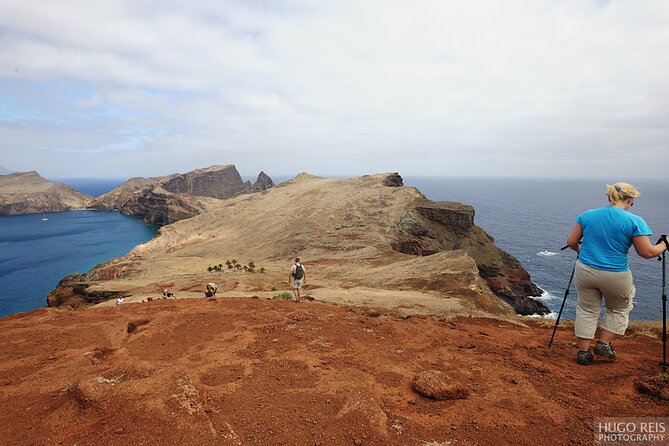
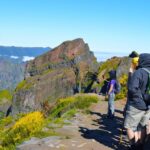
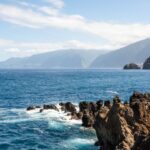
The main portion of the trip is the walk along the eastern peninsula of Madeira. Here’s what makes it special: the terrain looks and feels different from the rest of the island, with low vegetation and less tree cover. That open character also makes the wind and sun feel stronger, so bring your sun protection and plan for exposure.
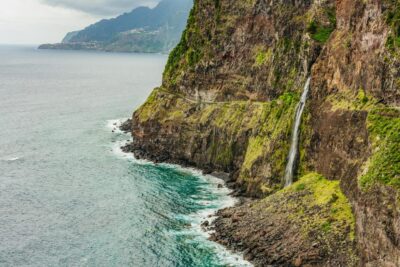
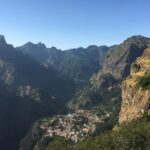
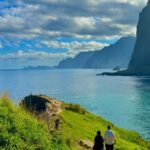
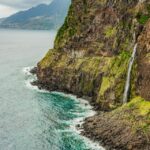
Scenery is the headline. From viewpoints along the path, you can catch broad looks over the ocean and, with the right weather, see other island groups. The Desertas Islands can appear to the south, while Porto Santo may show up to the north. Cloud cover or fog can limit what you see, but even when views are partially blocked, the cliffs and rock textures still deliver.
Then there’s the birdlife. This is where the guide earns their pay. The protected seabirds that nest here are part of why this peninsula is protected under Natura 2000. You’ll likely spend time oriented toward the best angles for spotting and understanding what you’re seeing—especially if conditions are calm enough to allow birds to be visible from the trail.


The Casa do Sardinha rest point and why it’s more than a pause
At the end of the outbound section, you reach the Casa do Sardinha. It functions as support for the vigilantes of the Natural Park of Madeira.
That matters because it’s not just a random turnaround spot. It connects the walk to the people who monitor and protect the area. Even a short break here can change how you see the coastline: it’s not merely scenery; it’s an active conservation zone.
After a few minutes of rest, you return by the same path. That sounds straightforward, but it’s actually smart planning. You’re not learning a new route while tired. You’re re-walking the terrain you’ve already read once, which helps with footing and reduces mental load.
Footing, loose rocks, and the optional climb near the peak
The walk is best described as a hike with rocky sections. The path can include loose rocks, and that’s the main reason you should choose sturdy footwear even if you consider yourself a regular walker.
Safety is a real part of the experience. One of the most positive elements you can expect is an attentive guide style focused on keeping people comfortable and moving at a pace that fits the group. If someone needs a bit more time, the guide is there to help you keep your balance and avoid rushing.
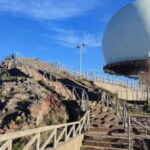
There is also an optional chance to climb up toward the very peak at the furthest point of the hike. The important caveat: the path there is not well maintained, and railings may be missing. So this part is at your own risk. If you’re uneasy with exposure or unstable footing, skip it and enjoy the main views from the safer sections.
In good conditions, there’s even time for a short break that can include a quick swim. Don’t count on that happening every day, but it’s a nice reminder that the route can offer more than just walking time.
Price and logistics: is €value good for a 6–7 hour guided hike?
The price is listed at about $53.61 per person, and when you break it down, it’s not only about the distance. You’re paying for round-trip transportation from Funchal, live English guide commentary, and insurance. Plus, access admission is noted as free for the hike.
What you’re not paying for is what you’d normally plan yourself anyway: lunch and bottled water are not included. That’s where people sometimes get caught off guard on island hikes. If you show up without a lunch plan, you’ll spend the day thinking about food instead of enjoying the scenery.
My advice: treat this as a full outing and pack like one. Even if you’ll buy something later, you’ll have a better experience if you bring what you need to stay comfortable during the hours outdoors—especially in sun and wind.
What to bring so the hike feels easy, not stressful
From what’s known about the trail conditions, the essentials are clear. Loose rocks mean you need boots with real grip, not thin sneakers. And because it’s a coastal walk, sun protection matters even if the air feels breezy.
Here’s a practical checklist to match the reality of the route:
- Hiking boots (and bring socks you trust)
- A daypack with lunch you can eat on the trail
- Water (bottled water isn’t included)
- Sun protection (cap, sunscreen)
- A light layer for wind along the cliffs
Also, if you plan to attempt the optional peak climb, bring extra caution. The lack of railings and the looser footing are the kind of combo that punishes careless steps.
Who this Madeira hike is best for
This is a strong choice if you want a day hike that’s scenic, structured, and guided. You’ll like it most if you care about nature as you walk—especially birds and coastal ecology—or if you want to avoid figuring out route timing on your own.
It also suits people who enjoy getting out early. The 8:30 am start means you’ll be on the peninsula while the day is still settling in, which can help with visibility.
The tour does require strong physical fitness. If you’re recovering from an injury or you struggle with uneven ground, you might find the loose-rock sections and the optional climb area too much.
Service animals are allowed, and the activity is near public transportation. That can make the trip easier to fit into a wider Madeira plan, especially if you’re staying in central Funchal.
Weather rules: when the views change
This experience requires good weather. Since the route is coastal and exposed, fog, heavy wind, or bad visibility can make it less enjoyable, and the operator may cancel and offer a different date or a full refund.
Also, some of the biggest view payoffs—like seeing Porto Santo to the north and the Desertas to the south—depend on weather conditions. If you’re traveling with limited days, don’t stack too many outdoor plans on the same day. Give yourself a buffer so you can take advantage of clear conditions.
Should you book this Ponta de São Lourenço walk?
Yes, if you want a guided Madeira hiking day that feels wild, scenic, and focused on nature. The Natura 2000 setting and the chance to spot protected seabirds make it more than a viewpoint walk, and the small group size keeps it from turning into a rushed conveyor belt.
Skip it or think twice if loose rocks and uneven footing make you nervous. This isn’t a flat stroll, and the optional peak climb area is a self-risk section with missing railings. You’ll still enjoy the main trail if you choose the safer viewpoints, but you should come prepared.
If you’re the type who likes to get your bearings early, watch wildlife with a guide’s help, and spend 6–7 hours outdoors, this is a good match.
FAQ
How long is the Ponta de São Lourenço walk?
It’s listed as about 6 to 7 hours.
Where is the meeting point in Funchal?
You’ll meet either by the cable car station in the old town area or at the Rotunda do Infante roundabout. Both are in central Funchal.
What time does the tour start?
The start time is 8:30 am.
Is the tour guided, and what language is offered?
Yes, there’s a guide with live commentary, and it’s offered in English.
What does the tour price include?
Included are live commentary, insurance, and round-trip transportation from Funchal (pickup is offered). Admission is listed as free for this hike.
What should I bring since lunch and water aren’t included?
Lunch and bottled water are not included. Bring what you need to eat and stay hydrated during the hike.
How difficult is the hike?
It’s best for people with strong physical fitness. The trail can include loose rocks, and there’s an optional climb near the end at your own risk.
What happens if the weather is bad?
Good weather is required. If it’s canceled due to poor weather, you’ll be offered a different date or a full refund.
Is there a cancellation window?
You can cancel for a full refund up to 24 hours before the experience’s start time.