REVIEW · MADEIRA
Bat Watching Madeira
Book on GetYourGuide →Operated by Madeira Fauna & Flora · Bookable on GetYourGuide
Madeira’s bats show up after dark. On this small-group night outing, you track the island’s native bats while you listen to their calls and try to spot them hunting. You also get a real conservation angle, not just a quick wildlife stop.
I like two things a lot: Sergio, a true bat specialist and conservation-minded guide, and the hands-on science angle with ultrasound bat detectors and thermal tools. Instead of guessing what you’re hearing, you learn how bats communicate and how field gear helps you read their world.
One thing to keep in mind: if the night is windy or damp, bat sightings can be harder. On at least one departure, the group mainly caught sounds on the detectors rather than clear visual moments.
In This Review
- Key things to know before you go
- Why Madeira bats are a big deal (and why you’ll only see them at night)
- The 3-hour night flow: transfers, gear, and multiple lookout stops
- Gear check: ultrasound detectors, thermal sensors, and what comes with you
- Meet Sergio: turning bat science into something you can actually follow
- Stop-by-stop: what each location is for, and what you might miss
- Price and value: what $47 buys in a 3-hour bat science session
- The weather factor: pack warm layers and adjust expectations
- Conservation impact: how a night out can support endangered bats
- Who should book this bat watching tour
- Should you book Bat Watching Madeira?
- FAQ
- How long is the bat watching tour in Madeira?
- What is the price per person?
- Are transfers included from Funchal?
- What’s included in the tour?
- What should I bring?
- What languages are offered?
Key things to know before you go
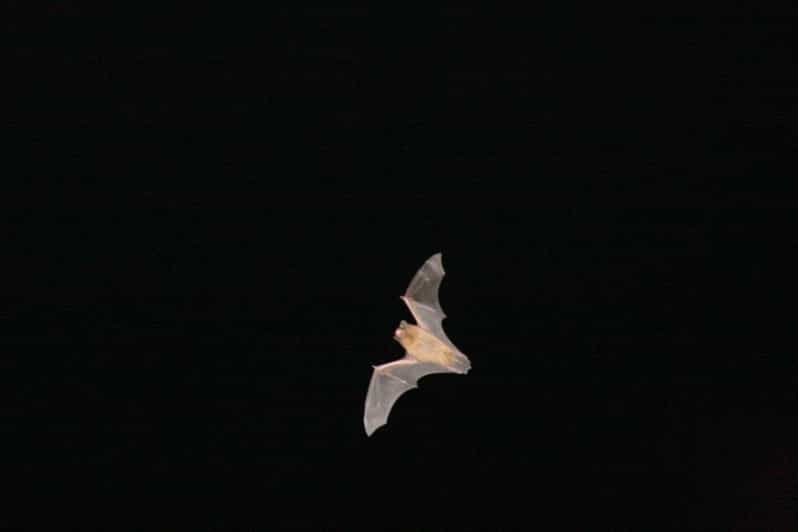
- Native bats, not generic wildlife: This is specifically about Madeira’s bats, the island’s only native land mammals.
- You listen with ultrasound gear: Detectors help turn ultrasonic echolocation into something you can track.
- Multiple observation stops: Plan for several locations so you can catch different bat behaviors.
- Thermal tools are part of the experience: You may use thermal sensors/cameras to boost your odds of seeing bats.
- Small group size: Limited to 8 participants, so you get time to ask questions.
- Conservation learning happens during the night: You’ll leave with species info and photos to support protection efforts.
Why Madeira bats are a big deal (and why you’ll only see them at night)
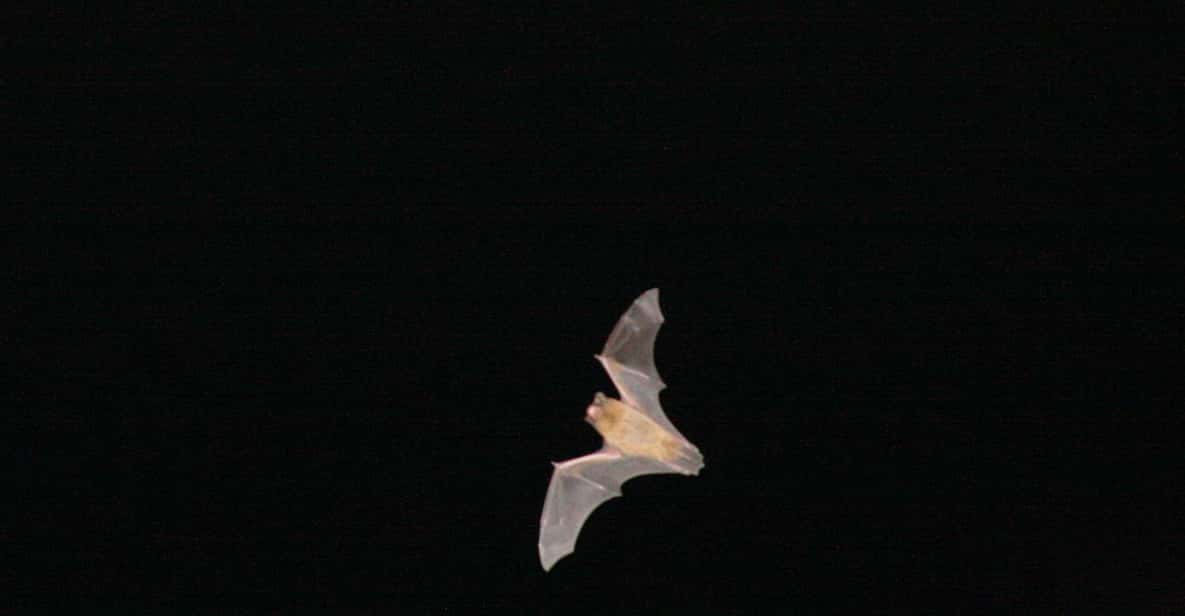
Madeira bats are not the “cute, common” kind you can reliably spot in daylight. These are elusive native mammals on an island where bats are the only native land mammals. That makes the experience feel focused and rare: you’re not bouncing between random animals, you’re learning one group deeply.
Most of what matters happens when it’s dark. Bats hunt, defend feeding spots, and socialize in ways that are hard to observe with naked eyes. That’s why this tour leans on tech: ultrasound detectors and thermal sensors help you see and hear activity that would otherwise pass you by.
The conservation part is also part of the value. You’re not just entertained. You’re learning the behaviors that matter for protection of endangered species—then using that knowledge in the field during the same night.
You can also read our reviews of more tours and experiences in Madeira.


The 3-hour night flow: transfers, gear, and multiple lookout stops
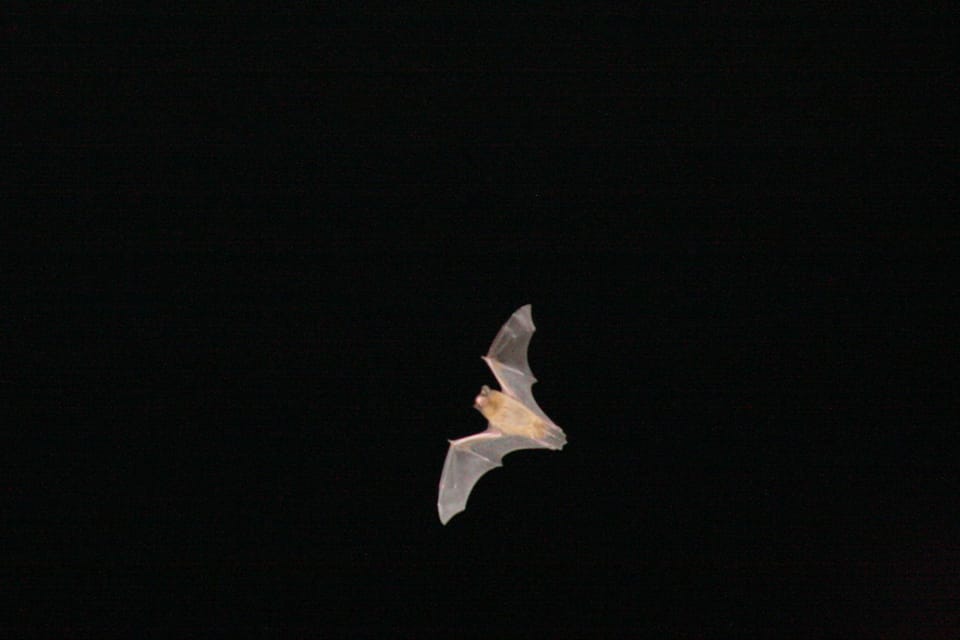
The tour runs about 3 hours and is designed for a late-night rhythm, when bats are actively out. If you’re staying in the Funchal area, transfers are included. That matters because you can focus on the night instead of figuring out parking and where to stand.
Once you’re out, you won’t sit in one place for the whole time. The night typically includes three or four observation locations, moving you to different spots so conditions and bat behavior line up better. Think of it as “bat hunting for the senses,” where the guide uses the gear and your position to maximize what you can detect.
What you should expect at each stop is the same mission, just with different chances:
- listen for activity
- scan for movement
- practice what you learned so you can interpret the signals faster
- ask questions while the guide can still show you what they mean
Gear check: ultrasound detectors, thermal sensors, and what comes with you
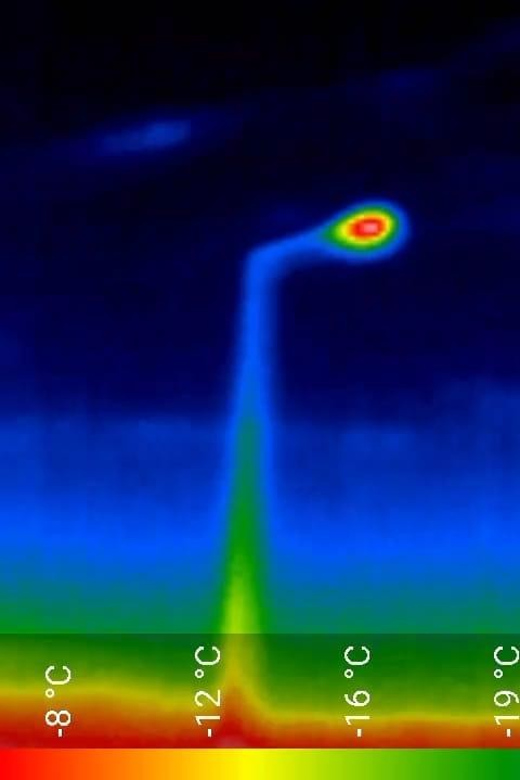
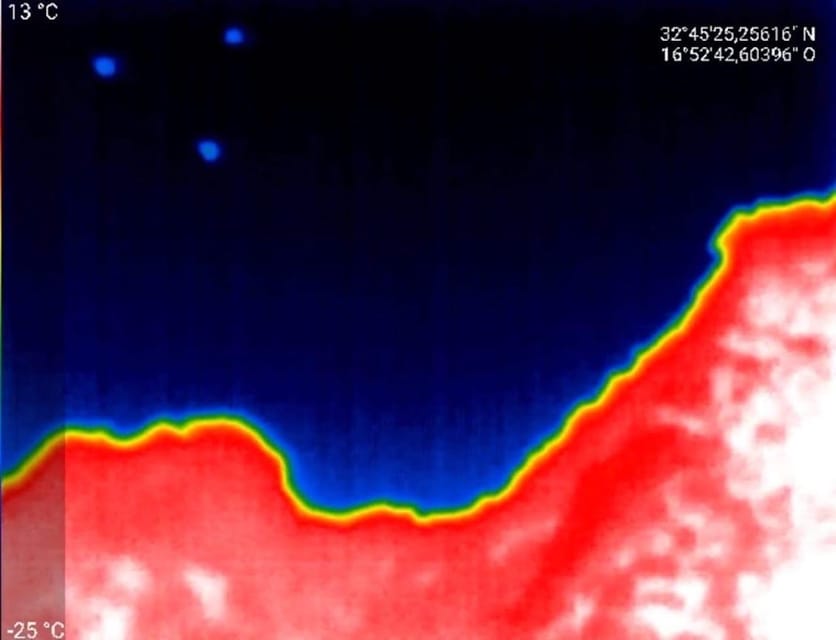
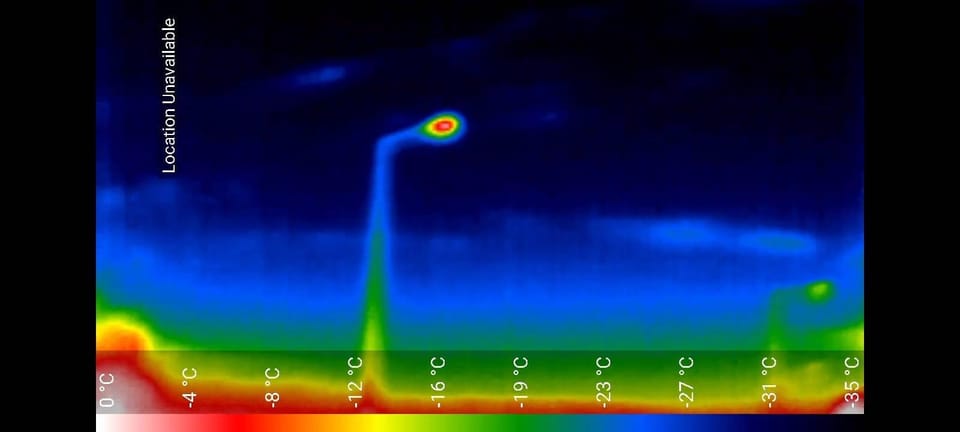
This is one of the few bat tours where the equipment is part of the learning, not just a novelty prop. You’ll use ultrasound bat detectors to catch echolocation activity. The detector essentially helps translate ultrasonic signals into something you can follow in real time. That means you’re not stuck waiting for a lucky visual.
If your departure includes thermal tools, you’ll also have a shot at visual confirmation. One review experience noted no thermal camera and no hot beverage, so I can’t promise every outing uses the same visual gear in the exact same way. But the stated approach is clear: thermal sensing is meant to improve your odds of spotting bats that are hard to see.
You get observation materials included in the tour, plus images and information about the species. That’s a smart pairing. After a night of listening and searching, you’ll have something to reference, instead of walking away with only the memory of sound.
Also, come prepared to be outside. The tour asks for comfortable shoes and warm clothing, so you can stand and move around without fighting the cold.
Meet Sergio: turning bat science into something you can actually follow
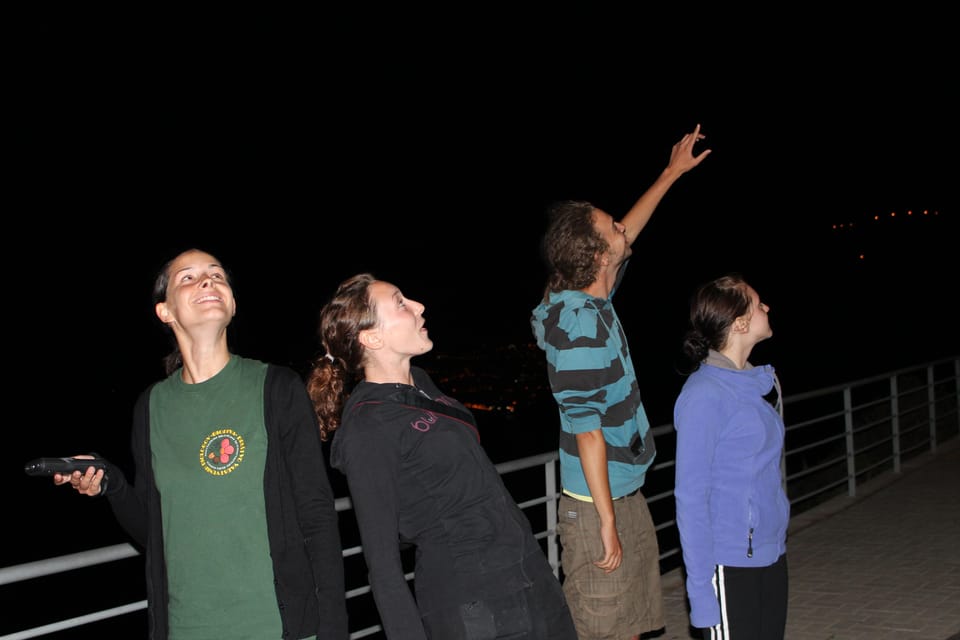
A big reason this tour earns high marks is the guide. Sergio is described as a bat specialist and a professor-style teacher, tied into conservation efforts. That combination matters because bat watching can turn into either two things: a fun guessfest or a real learning session. A strong guide keeps it both fun and clear.
What you’ll learn is tied to what bats are doing during the night:
- how bats hunt using echolocation
- why they return to certain areas (food patches)
- how they can defend those feeding spots
- how social behavior shows up in activity patterns
When a guide explains that while you’re using the detector, the experience becomes more than “sound and darkness.” You start recognizing patterns: when activity spikes, when the group seems calmer, and when your scanning efforts are actually paying off.
And because it’s a small group (max 8), you get enough attention to ask follow-ups. You’re not listening from the back with no chance to understand what you’re hearing.
Stop-by-stop: what each location is for, and what you might miss
Since the tour uses multiple stops, each one serves a purpose: better listening conditions, better viewing angles, and opportunities to catch different behaviors. You might find one spot works best for hearing bats, while another gives you a better chance at seeing them.
At one location, the goal is often to catch active foraging: bats hunting over open air where they can detect prey. In another, you may focus on defense around feeding spots, where bat activity can feel more intense or clustered. Later, you might catch moments that connect with social behavior—more activity variety and more movement patterns.
Here’s the reality check: you may not see bats every stop. Even with detectors and thermal sensors, bats are still bats—fast, small, and quick to vanish. If the night is rough (wind and humidity are not your friend), visibility drops and the tour can become more “listen and interpret” than “watch and point.”
Still, that’s not a failure. In fact, hearing bats and understanding what you’re detecting is often the most satisfying part. It turns the night into a skill you can use, not just a one-time sighting.



Price and value: what $47 buys in a 3-hour bat science session
At $47 per person for about 3 hours, you’re paying for three things that many tours quietly skip:
- A specialist guide who can explain what you’re hearing
- Equipment that supports real observation (ultrasound detectors and thermal sensing tools)
- Learning materials (images and species info), plus a hot beverage
Small-group pricing is part of the value equation too. With up to 8 participants, you’re more likely to get help adjusting gear, understanding detector outputs, and moving to the right spots when activity changes.
This is also a “you get what you learn” type of experience. If you were hoping for a guaranteed close-up wildlife show, this won’t always deliver that. But if you want a night where you develop a new way to watch animals—using science tools and guidance—that price starts to look pretty fair.
If you’re traveling with kids, this is where the value really shows. A family experience included kids aged 7 and 9 enjoying the night, which suggests the approach can work well for younger learners when the guide keeps it engaging.
The weather factor: pack warm layers and adjust expectations
This tour happens at night, and bat activity doesn’t care about your comfort. The required packing list is simple for a reason: you’ll want warm clothing so you can focus. Comfortable shoes matter because you’ll move between spots and stand when the guide signals attention.
Wind and humidity can also affect what you see. One experience noted that a rough night meant fewer visual sightings even though bats were heard on ultrasound equipment. So plan your mindset before you go:
- aim for listening and learning as the main win
- treat thermal or visual sightings as a bonus
If you’re the type who gets cranky in the cold, you’ll need to prepare yourself. Bring layers, not just a jacket. And wear clothing you can move in without thinking about it.
Conservation impact: how a night out can support endangered bats
This tour is framed around conservation, and you feel that through the guidance and the species-focused material you receive. When bats are endangered, local understanding matters. Knowing where they live, what they eat, and how they behave at night helps protect them.
The hands-on part also makes you part of the process. Using detectors and thermal sensing turns you from a passive observer into someone who can describe what’s happening. Even if you’re not collecting data like a scientist, you’re learning how field monitoring works—what to look for, what signals mean, and why the information is useful.
At the end of the night, you’ll have images and species info to take home, so the learning doesn’t vanish when you return to warm light and sleep.
Who should book this bat watching tour
You’ll likely enjoy it if:
- you like nature with a science twist
- you’re curious about echolocation and how field gear helps
- you want a focused island experience on one native species group
- you’re comfortable spending a few hours outdoors at night
It may not be the best fit if:
- you need a guaranteed “see a bat on cue” experience
- you dislike standing outside in cool, damp conditions
- you’re expecting a standard nature walk where everything is visible
This is also a great group activity. The small size and Q&A-friendly setup make it easier for different ages to follow along, and the educational tone can work for families.
Should you book Bat Watching Madeira?
If you want an evening that teaches you how to watch bats like a small-time scientist, yes, I think you should book it. The combination of Sergio’s bat expertise, ultrasound listening, and species-focused learning is the core strength here. Even on nights when visuals are limited, the detector experience can still feel rewarding because you’re understanding activity, not just waiting for a sighting.
Book it with realistic expectations about weather and visibility. If you dress warm and treat the listening tools as the main event, you’ll be set up for a genuinely memorable Madeira night.
FAQ
How long is the bat watching tour in Madeira?
The tour duration is 3 hours.
What is the price per person?
The price is $47 per person.
Are transfers included from Funchal?
Transfers are included within the Funchal area. Transfers outside of Funchal may require additional contact to arrange a possible alternative pick-up location.
What’s included in the tour?
Included items are a naturalist guide, observation materials, images and information about the species, a hot beverage, and transfers within the Funchal area.
What should I bring?
Bring comfortable shoes and warm clothing, plus comfortable clothes.
What languages are offered?
The tour guide is available in English and Portuguese.