REVIEW · MADEIRA
Ribeira Brava: The barn of the first atlantic city – Private Tour
Book on Viator →Operated by Vicente GeoTours · Bookable on Viator
Geology hides in plain sight here. This private 2.5-hour tour connects the formation of Earth to the real streets of Ribeira Brava, using volcanic and flood clues you can actually see along the way.
I like the way the walk becomes a hands-on lesson: quaternary alluvial deposits, subaerial lava flows, and the story of how the valley was planned and rebuilt. I also appreciate the included extras—coffee and/or tea, plus bottled water and alcoholic beverages—so the tour feels like a thoughtful local pause, not just a nonstop lecture.
One thing to consider: there’s no private transportation, and the activity runs only in good weather. You’ll need to get to the Fort of São Bento on Ribeira Brava’s seafront area.
In This Review
- Key things that make this tour worth your time
- Entering The Ribeira Brava Story From Planet Earth to Portuguese Settlement
- Fort of São Bento Logistics: A 2.5-Hour Private Walk That Ends Where You Start
- Stop By Stop: How the Geology Lesson Actually Works in Ribeira Brava
- Flash Floods and Spatial Planning: Reading the Village Like a Map
- Manor House Engineering, Captain Luis Gonçalves Silva, and Portuguese Power
- Sugar Cane Mills and Madeira’s Social Economy
- Pavement Styles: Portuguese Patterns Meets Madeiran Adaptation
- Guide Impact: When Sandro and Santosh Turn Questions Into Answers
- Price and Value: How $40.33 Fits a 2.5-Hour Private Lesson
- Who Should Book This, and Who Might Prefer Something Else
- Should You Book the Barn of the First Atlantic City Tour?
- FAQ
- Where does the tour start?
- How long is the tour?
- What time does it run?
- Is admission included?
- What’s included in the price?
- Is transportation included?
- Is this tour private?
- Do I need to worry about weather?
- Can I bring a service animal?
- What is the cancellation policy?
Key things that make this tour worth your time
- Earth, Madeira, and Ribeira Brava in one storyline: you go from planet formation to local evidence, without losing the thread
- On-site geology: you’ll observe quaternary alluvial deposits and subaerial lava flows in place
- Flash-flood context: the guide connects past floods to what you see in the village today
- Local architecture details: engineering features tied to Captain Luis Gonçalves Silva and the manor house
- Everyday historical tech: sugar cane mills and how they shaped the island’s economy and social life
Entering The Ribeira Brava Story From Planet Earth to Portuguese Settlement
This tour is built like a guided thread: it starts with how Earth took shape, then narrows the view to Madeira’s archipelago and Portuguese settlement. The payoff is that you stop seeing Ribeira Brava as just a pretty hillside town and start seeing it as a place where nature and humans continuously negotiated space.
The route uses the valley and building fabric of Ribeira Brava’s historical center as teaching material. That matters because Madeira can feel dramatic from viewpoints, but the real learning happens at ground level—where rock, water, and construction meet.
The tour title calls Ribeira Brava a barn of the first Atlantic city. Even if that phrase sounds poetic, the substance is practical: you’ll leave with a clearer picture of why this part of Madeira mattered early on and how the island’s settlement pattern connected to the landscape.
You can also read our reviews of more city tours in Madeira
Fort of São Bento Logistics: A 2.5-Hour Private Walk That Ends Where You Start
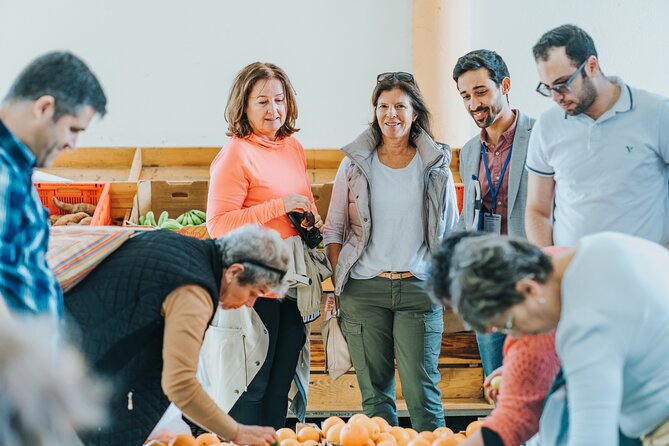
You meet at the Fort of São Bento (R. Gago Coutinho e Sacadura Cabral, 9350-216 Ribeira Brava). The tour ends back at the meeting point, which makes planning easy—you’re not hunting for a pickup at the end.
Timing is specific: the schedule shows Saturdays from 10:00 AM to 12:30 PM. The duration is about 2 hours 30 minutes, so plan for a focused morning session rather than a long all-day excursion.
A key value point: this is a private tour/activity, meaning only your group participates. That usually means fewer lost minutes and more chances to ask questions. Also, you’ll get a mobile ticket and a local guide, plus bottled water, coffee/tea, and alcoholic beverages included.
Bring what you normally need for an outdoor morning in Madeira. And keep your flexibility: the experience requires good weather.
Stop By Stop: How the Geology Lesson Actually Works in Ribeira Brava
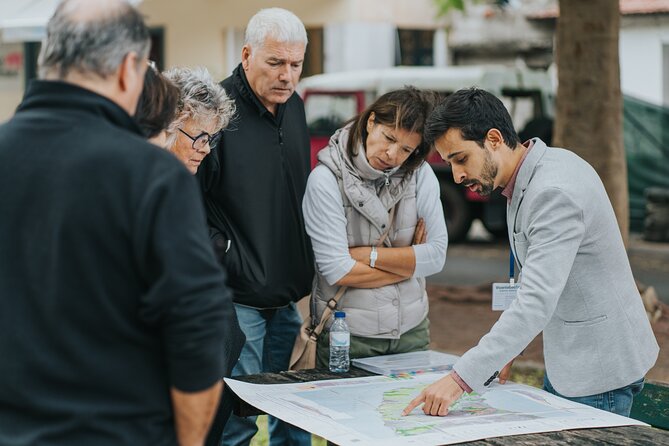
The whole experience is organized around observations you can make in the town itself. You start with the geological formation and characteristics of the Madeira archipelago, then shift into specific local evidence.
You’ll look at quaternary alluvial deposits and subaerial lava flows in situ. That phrase can sound academic, but the practical value is simple: you learn to recognize how water laid down sediments and how volcanic activity produced the rock surfaces that later shaped where people could build.
The guide also covers flash floods that occurred in Madeira. This isn’t just trivia. It gives you a reason to pay attention to patterns in the valley—where water channels move, where erosion leaves its marks, and why parts of town planning feel the way they do.
If you like geology, this part will feel satisfying because it’s not a lecture in a room. If you don’t love geology, it still works because the science is tied directly to why Ribeira Brava looks and functions the way it does.
Flash Floods and Spatial Planning: Reading the Village Like a Map
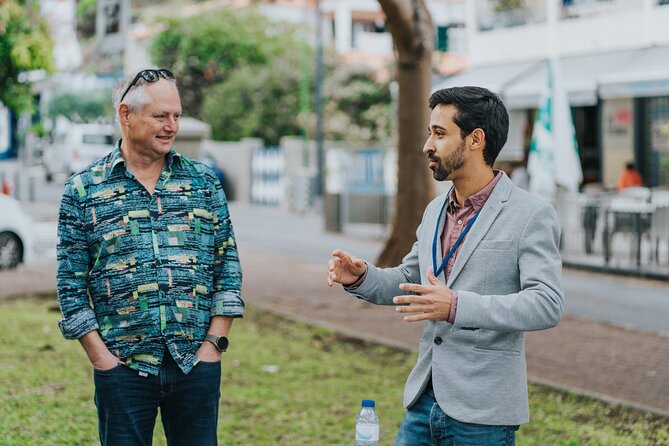
Once you understand the flood history, the village plan becomes easier to read. The tour includes interpretation of the spatial planning of Ribeira Brava, so you’re not just looking at buildings—you’re looking at decisions.
Madeira has steep terrain, and when intense water moves fast, it changes everything: routes, construction choices, and even the long-term stability of ground. By connecting flood events to what’s visible around you, the tour makes geography feel real, not abstract.
You’ll also do a kind of on-the-street synthesis about Madeira’s settlement. That’s useful because it explains why Portuguese communities didn’t develop randomly. They developed with the terrain in mind—especially where valleys could support life, agriculture, and safe movement.
The best moment is when the guide points out how geology and town layout are linked. You start seeing the valley as a working system: landforms guide water, water influences risk, and risk shapes settlement.
Manor House Engineering, Captain Luis Gonçalves Silva, and Portuguese Power
One of the more human parts of the tour focuses on architecture and engineering. You’ll observe engineering particularities of the manor house of Captain Luis Gonçalves Silva. Even if you don’t consider yourself an architecture person, this is a chance to look past the cute postcard view and notice how construction responded to the location.
This part connects power and practicality. Madeira’s elite estates were not just status symbols; they were operational centers tied to farming, trade, and local economics. When the guide highlights engineering choices, you get a sense of how seriously Portuguese settlers worked with the island’s conditions.
The tour also includes observation of a Portuguese Global Heritage Stone. That’s another layer of meaning: you’re seeing local history through the lens of recognized heritage, which helps you understand why certain places are protected and why materials matter.
If you like history that’s grounded in physical details, this section is a strong reason to book.
You can also read our reviews of more private tours in Madeira


Sugar Cane Mills and Madeira’s Social Economy
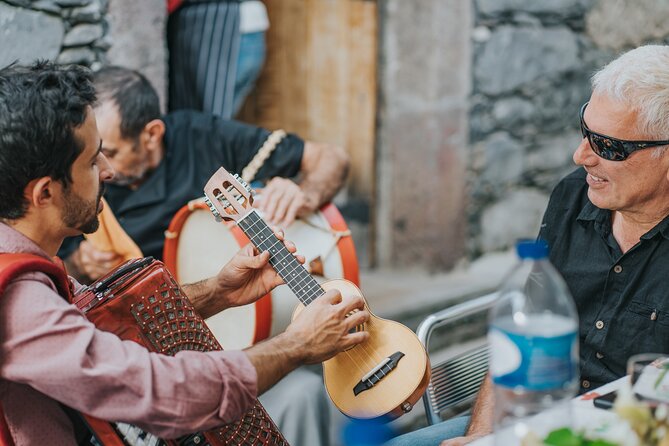
You’ll also connect the built environment to livelihoods. The tour includes sugar cane mills and how they relate to Madeira’s socio-economic evolution.
This is where you get a fuller sense of why Portuguese settlement mattered beyond religion and politics. Sugar production wasn’t just agriculture—it shaped labor, wealth distribution, and the pace of development. In other words, the story of mills is also a story of people and routines.
What I like about this approach is that it doesn’t treat history like a timeline you memorize. It treats it like a cause-and-effect chain: the island’s resources and terrain supported particular industries, and those industries helped shape the town you walk through today.
If you want Madeira’s story with context—why certain buildings exist and why the village looks the way it does—this is the section that gives it.
Pavement Styles: Portuguese Patterns Meets Madeiran Adaptation
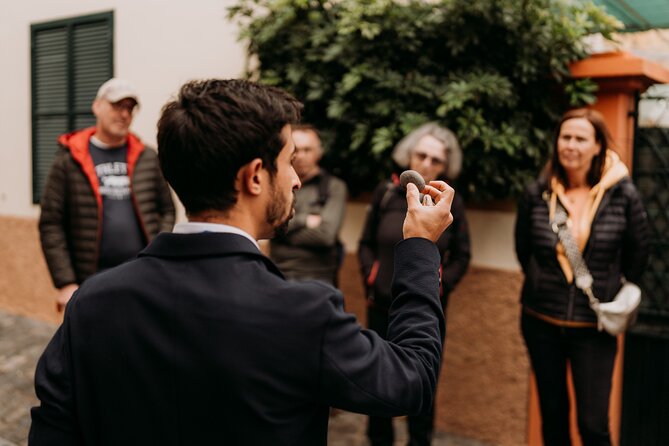
Near the end, you’ll observe two pavement languages: the Portuguese-pavement style and the Madeiran-pavement style applied. These details might sound small, but they’re the kind of thing that makes travel feel real. Pavement isn’t only aesthetics; it influences drainage, footing, and how streets handle wear.
On Madeira, slopes and heavy weather mean the ground takes a beating. Watching how surfaces are made helps you understand local building habits in a low-key, practical way.
You’ll leave this tour noticing street texture everywhere. Even when you’re just wandering later, you’ll know what to look for—patterns, materials, and adaptation rather than just scenery.
Guide Impact: When Sandro and Santosh Turn Questions Into Answers
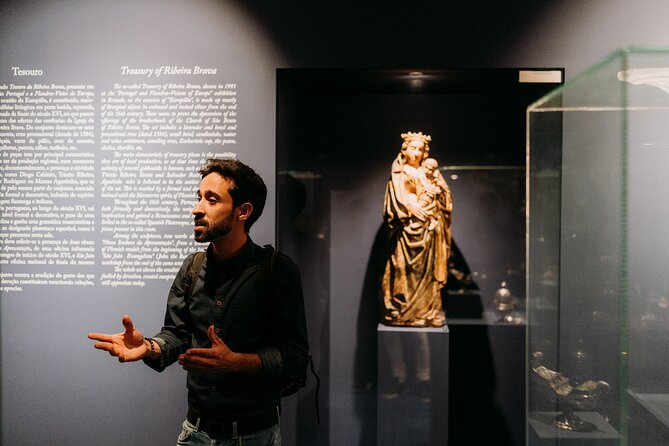
The guide quality is the standout theme in the information provided. Names like Sandro and Santosh come up with praise for clear explanations and patience, and for making the experience feel like a real conversation rather than a script.
What makes that matter for you is confidence. If geology terms get confusing, a good guide translates them into visible cues—so you can keep up. If you’re curious, the best guides also answer the side questions, not just the scheduled points.
One extra perk: the guide approach can include practical travel help beyond the tour. In the material shared, guides are described as offering useful tips for things like restaurants and hotels. That can save you time after the tour—especially if you’re still figuring out where to eat in Ribeira Brava or nearby.
Price and Value: How $40.33 Fits a 2.5-Hour Private Lesson
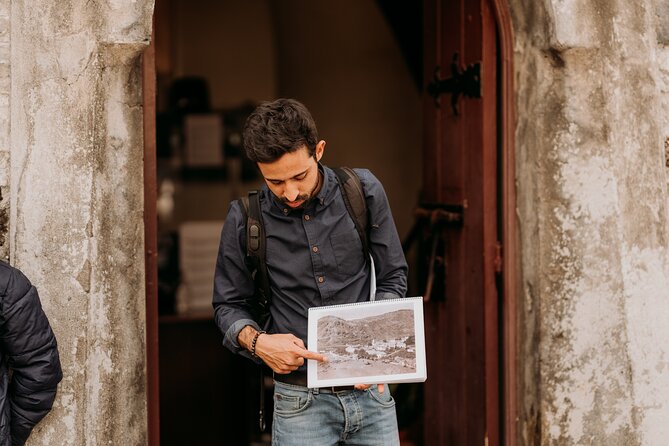
At $40.33 per person for about 2 hours 30 minutes, this tour is priced like a mid-range walking experience. What justifies it is the mix of specialist content and included extras: local guide, bottled water, coffee and/or tea, and alcoholic beverages.
There’s also the fact that any admission is listed as free for the experience. That doesn’t make the price automatically good, but it removes one common cost friction for guided sightseeing.
The main cost consideration is what’s not included: private transportation. If you’re already in Ribeira Brava and can reach Fort of São Bento easily, the value tends to look better. If you’d need a car or taxi just to start, factor that into your budget.
If you want a tour that teaches you to read Madeira’s ground and streets—geology plus local history—the price feels reasonable for what you get.
Who Should Book This, and Who Might Prefer Something Else
This tour is a great fit if you want Madeira in a nonstandard way: not just viewpoints, but explanations tied to rock, water, and settlement logic. It’s also ideal for people who like asking questions and getting direct answers, including about Ribeira Brava itself.
It’s also a good option for couples and small groups because it’s private, and the pace fits a guided walk rather than a crowd shuffle. And since service animals are allowed and most travelers can participate, it’s fairly flexible as long as you’re okay with an outdoor morning.
You might skip it if you dislike walking, if you can’t reliably manage your own transportation to the meeting point, or if your schedule is fragile because the tour depends on good weather.
Should You Book the Barn of the First Atlantic City Tour?
Book it if you want Madeira that sticks. This is one of those experiences that trains your eyes: after the tour, Ribeira Brava’s streets make more sense, and you can connect the scenery to real forces like volcanic activity and flash flooding.
Skip it if you’re only chasing sweeping views and don’t care about the science and architecture details. The payoff here is understanding—not postcard photos.
If you’re spending at least a day in Ribeira Brava, I’d treat this as an early booking. Getting your bearings fast with geology and settlement history makes the rest of your time feel more intentional.
FAQ
Where does the tour start?
The tour starts at Fort of São Bento, at R. Gago Coutinho e Sacadura Cabral, 9350-216 Ribeira Brava, Portugal. It ends back at the same meeting point.
How long is the tour?
The duration is approximately 2 hours 30 minutes.
What time does it run?
The listed opening hours show Saturdays from 10:00 AM to 12:30 PM. The activity runs across the date range 01/01/2023 to 06/06/2026.
Is admission included?
Admission is listed as free for this activity.
What’s included in the price?
The tour includes a local guide, bottled water, coffee and/or tea, and alcoholic beverages.
Is transportation included?
No. Private transportation is not included, so you’ll need to arrange how you get to the meeting point.
Is this tour private?
Yes. It’s a private tour/activity, so only your group participates.
Do I need to worry about weather?
Yes. The experience requires good weather. If it’s canceled due to poor weather, you’ll be offered a different date or a full refund.
Can I bring a service animal?
Yes. Service animals are allowed.
What is the cancellation policy?
You can cancel for free up to 24 hours in advance for a full refund. If you cancel less than 24 hours before the start time, the amount paid is not refunded.