REVIEW · MADEIRA
Madeira Island: Southwest Tour
Book on GetYourGuide →Operated by DG-Travel Viagens e Turismo, Lda · Bookable on GetYourGuide
Madeira’s southwest feels calmer than you expect. This day tour mixes sunny coastal towns with a hands-on stop at the Prazeres Educational Farm, where you’ll see animals and aromatic herbs up close. The main trade-off: several villages and viewpoints are best for a quick stop and photos, so you may wish you had a bit more time on the ground in places that feel quiet.
I like this route because it reads like a greatest-hits sampler without being chaotic. You’ll get pickup and drop-off, a live guide in multiple languages, and a full sweep from the island’s sunnier south coast toward its dramatic western edge, ending in a tiny fishing village tied to banana growing. Just plan for weather changes and bring a face mask or protective covering.
In This Review
- Key highlights worth marking
- Why this Madeira southwest loop works (and for whom)
- Ponta do Sol to Moledos: sunny coast, then big fishing-village views
- Calheta’s artificial sand and sugar cane: a quirky Madeira contrast
- Prazeres Educational Farm: animals and aromatic herbs up close
- Ponta do Pargo lighthouse (built 1922) and the island’s west edge
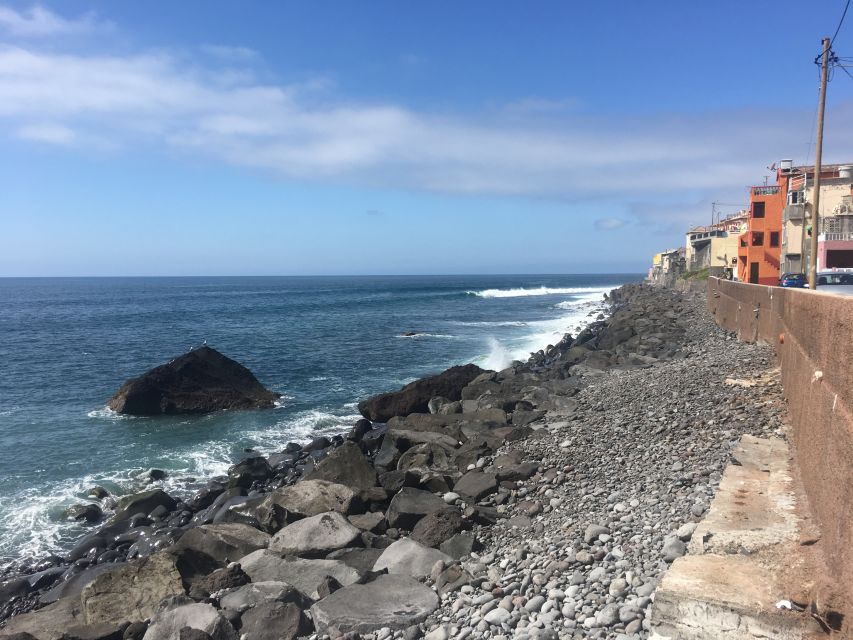
- Paúl do Mar to Jardim do Mar: pebble beaches, fishing life, and a surf-ready mood
- The last stretch: finishing in Madelena do Mar’s banana-coast cliffs
- A realistic look at pacing: why some stops feel like photo breaks
- Languages, guides, and why the narration matters
- Is the $49 price fair for an 8-hour day?
- What to bring so the day feels easy
- Should you book this Madeira Southwest Tour?
- FAQ
- FAQ
- How long is the Madeira Southwest Tour?
- What is included in the price?
- How much does the tour cost?
- Where does the tour go on the route?
- What languages are available for the guide?
- Do I need to bring anything?
- Is there free cancellation?
- Can I reserve and pay later?
Key highlights worth marking
- Ponta do Sol start: Madeira’s sunniest area sets a friendly tone for the day
- Moledos viewpoint: big views over the fishing village of Madalena do Mar
- Calheta stop: artificial sand beach plus a sugar cane factory reference point
- Prazeres Educational Farm: animals and aromatic herbs in one practical, memorable visit
- Ponta do Pargo lighthouse (built 1922): Madeira’s western drama in one preserved structure
- Jardim do Mar and finish at Madalena do Mar: pebble beach villages and banana-producing coastline views
Why this Madeira southwest loop works (and for whom)
If you want one solid day that shows what Madeira’s southwest is about, this tour is built for you. The route is efficient: you’re not driving in circles all day, and you’re not bouncing between far-flung places that each take forever to reach. Instead, you get a steady flow of coasts, viewpoints, and small communities, with one truly “do something” stop at the Prazeres Educational Farm.
This also suits travelers who prefer context over constant walking. The guide gives you the why behind the scenery: why certain coastal spots feel calmer, why some towns are geared to fishing, and how the island’s climate connects to banana production. Even if you’re not the type to spend hours hiking, you’ll still come away with clear impressions.
One thing to keep your expectations grounded: the tour leans toward short stops. Some of the villages are at their best from a viewpoint or for a brief wander. If you’re the type who wants to linger, you may want to pair this with extra time elsewhere on your own later.
You can also read our reviews of more tours and experiences in Madeira.



Ponta do Sol to Moledos: sunny coast, then big fishing-village views
The tour kicks off at Ponta do Sol, Madeira’s sunniest part of the island. That matters more than it sounds. In practice, a sunny start often means easier lighting for photos and a warmer first hour, especially if your morning begins cooler. You’ll get that classic Madeira feel right away: coastal towns hugging steep terrain, with the Atlantic always nearby.
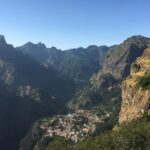
Next comes Moledos, where the payoff is a magnificent view over Madelena do Mar, the fishing village below. This viewpoint stop is the kind that helps you understand the whole coastline. From up high, the fishing village isn’t just a dot on the map. You see how the cliffside setting shapes daily life, and you get a clearer mental map for what you’ll see later when you reach Madelena do Mar.
Practical tip: if you’re sensitive to crowds, treat viewpoints like a timing game. Go steady, watch the light, and don’t rush your photos. You’ll be glad you did when you later compare the “from the top” view to what the village looks like at street level.
Calheta’s artificial sand and sugar cane: a quirky Madeira contrast
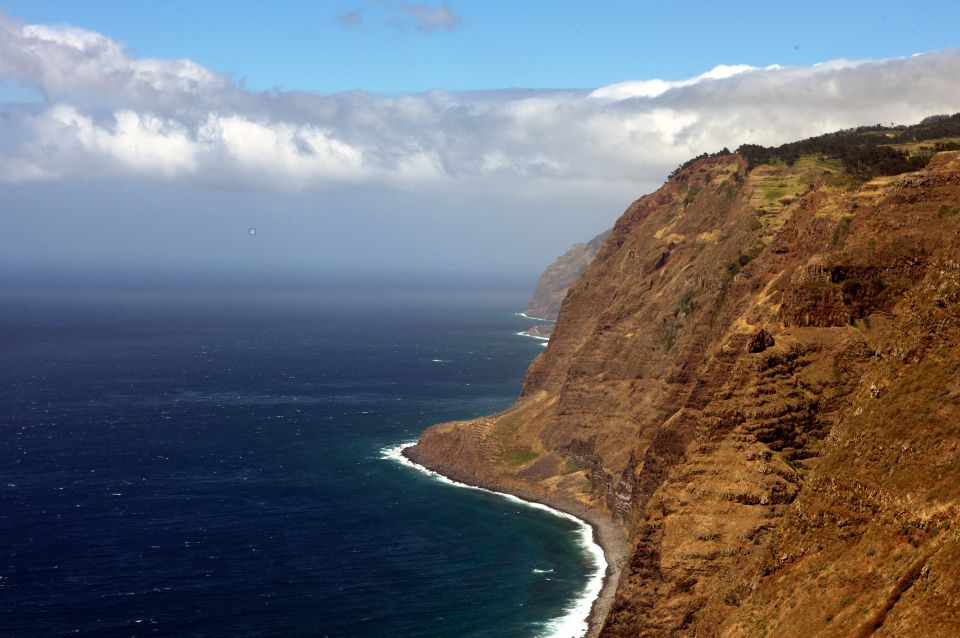
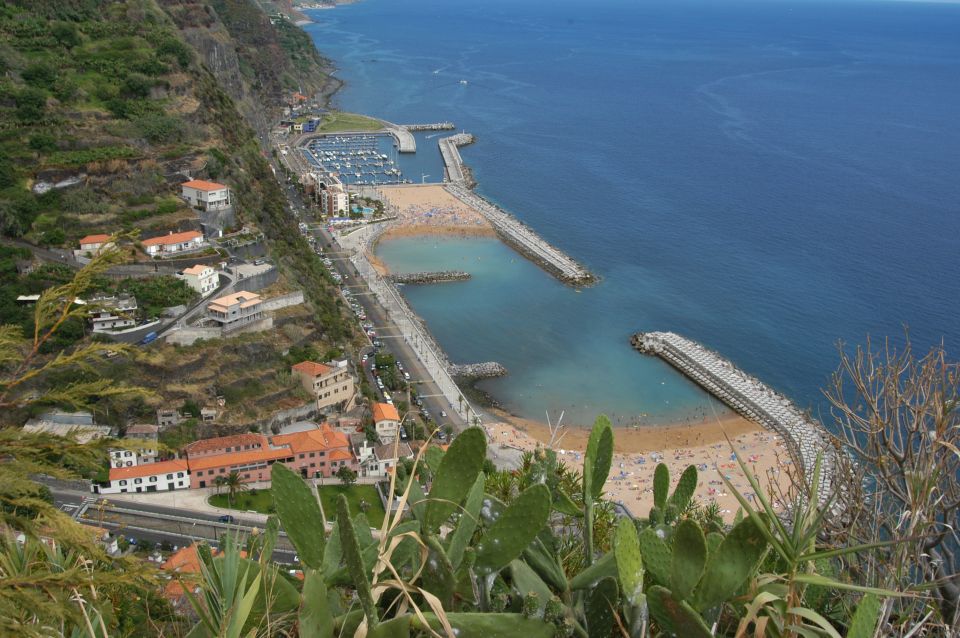
After the Moledos outlook, the tour shifts to Calheta, where you’ll find an artificial sand beach and a sugar cane factory. That combo is surprisingly useful. Madeira is known for steep coasts and rocky edges, so seeing an artificial-sand setting changes your sense of what the island has been shaping over time. Meanwhile, sugar cane ties the coast to a different side of island identity: agriculture and industry, not just scenery.
This is also a good moment to reset your expectations about what you’ll do. Some stops are built for a quick look and a few photos; others are built for learning. Calheta sits somewhere in between. You’ll likely get a feel for the town’s role in the region and learn enough to connect it to the rest of your day.
If your ideal day is very active, you might find Calheta less satisfying than the farm or the lighthouse. But if you like variety, the contrast is the point.
Prazeres Educational Farm: animals and aromatic herbs up close
One of the most memorable parts of the day is Prazeres, where you visit the Prazeres Educational Farm (Quinta Pedagogica dos Prazeres). This is where the tour stops being just scenic and becomes hands-on.
The farm visit includes various animals and an array of aromatic herbs. Even if you’re not a plant person, aromatic herbs are one of those quietly magical Madeira experiences. You’ll notice that the island’s scents are as part of its geography as the cliffs and ocean. The guide helps connect what you’re seeing to Madeira’s local character, and the farm gives you a calmer pace within an otherwise packed route.
This stop also explains why the tour gets strong satisfaction scores. People tend to rate it higher when they feel they learned something tangible, not just watched scenery pass by.
If you want maximum value, slow down here. Look closely at the herbs, ask questions about what’s grown, and take your time around the animal areas. That’s the moment where you’ll feel the tour truly earned its place in your itinerary.
Ponta do Pargo lighthouse (built 1922) and the island’s west edge
Then you head to Ponta do Pargo, the island’s western point on this route, and its lighthouse built in 1922. This is one of those stops that people remember because it’s so clearly Madeira: dramatic coastlines, cliff edges, and a structure that feels built to last.
What makes this moment special isn’t only the lighthouse itself. It’s the backdrop: you’re seeing one of the island’s most distinctive viewpoints, with steep slopes and the Atlantic stretching out. It’s the kind of perspective that helps you understand why Madeira’s roads are so famous for sweeping views. Even if you’re not a photographer, you’ll feel your attention tighten around the edges of the scene.
A balanced note: if you’re hoping for a “long museum” style stop, set expectations accordingly. This lighthouse stop shines as a viewpoint-and-photo moment, not as an all-day indoor visit. Still, it’s absolutely worth it.

Paúl do Mar to Jardim do Mar: pebble beaches, fishing life, and a surf-ready mood
Next, the tour moves toward Paúl do Mar, a traditional fishing village that’s also known as a good spot to surf. Even if you don’t surf, the surf connection helps you picture the place in a more lived-in way. You’re not just looking at a pretty village; you’re looking at a coastline shaped by waves.
From a viewpoint above, you can take in mountain scenery and the Atlantic. This is a useful combo because it reminds you that Madeira is not just coast. The mountains rise fast, and you feel that scale from above better than you do from the street.
Then you reach Jardim do Mar, described as one of three pebble beach villages (with Portinho, Enseada, and Ponta Jardim). These are the kind of coastal places where locals and visitors show up for calm and for the natural setting of the shoreline. If you’ve been craving a quieter Madeira feel, this is where you tend to find it.
One consideration: pebble beaches are beautiful, but not always comfortable if you don’t expect them. If you plan to step around a bit, wear shoes you don’t mind getting dusty or a bit wet. The viewpoint energy is great here, but the shoreline itself may be more about atmosphere than a beach break.
The last stretch: finishing in Madelena do Mar’s banana-coast cliffs
The tour ends at Madelena do Mar, a tiny fishing village sitting above the sea cliffs of the island’s southeast coastline. This finish is clever because it loops your day back to the same visual idea you saw earlier from the Moledos viewpoint: this coastline looks steep from above and even more dramatic when you’re closer to it.
Madelena do Mar also has a practical agricultural story. The location and climate make it the island’s largest banana producing area. That detail changes how you look at the village. You start spotting the way the environment supports farming, not just fishing. It’s a reminder that Madeira’s coast isn’t only about views and restaurants. People work these slopes and valleys too.
If you’re hoping for a final stop that feels relaxed and scenic rather than rushed, this ending typically does the job. It’s a good way to close a southwest day because it gives you “sea cliffs and quiet village” instead of another viewpoint that blends into the rest.
A realistic look at pacing: why some stops feel like photo breaks
A theme in the feedback for this tour is that certain stops work best in short bursts. Villages can be quiet. Viewpoints can be fantastic but brief. That doesn’t mean the places aren’t worth seeing. It means this isn’t a slow travel day with long walks in each town.
So here’s how you can plan smartly:
- Treat each village stop as a chance to reset your bearings and take in the bigger setting.
- Use the guide’s explanations to decide whether a quick stroll is enough for you.
- If you have limited time in Madeira, this pace is still a win because you’ll see more variety than a slower itinerary.
Weather is the wildcard too. One participant noted that poor conditions affected how much they enjoyed the day, and suggested route changes should happen when conditions don’t cooperate. You can’t control the sky, but you can control your flexibility. If the day turns gray, focus on the lighthouse-and-viewpoint moments where the guide can still help you read the coastline.
Languages, guides, and why the narration matters
You’ll have a live tour guide with language options including Portuguese, English, French, German, and Spanish. That multi-language setup matters, because this route depends on context. You’re driving through places that each have a specific role—farming, fishing, coastal recreation—and the guide ties those together.
There’s also a clear difference between a driver who reads facts and a guide who can make the island feel understandable. In one example from feedback, Eduardo stood out as passionate and knowledgeable, and there was mention of choices being made by consensus for certain stop lengths. If you’re the kind of traveler who enjoys conversation and local perspective, that human factor is part of what you’re paying for.
Also, it’s not just about facts. One note praised the guide for improving vocabulary and making the language feel more usable. That’s a small detail, but it’s the kind of service that often makes a day tour feel less like a bus ride and more like a guided experience.
Is the $49 price fair for an 8-hour day?
At $49 per person for an 8-hour tour with pickup and drop-off plus a live guide, I think the value works well if you want breadth. You’re getting a full circuit of key south-and-west highlights without needing to rent a car, navigate switchbacks, or plan the order of stops yourself.
What you should weigh is how you like to spend your time:
- If you prefer seeing lots of stops and collecting impressions, this price-to-coverage ratio is strong.
- If you need long, slow stays and deep time in every town, you might feel the pace doesn’t match what you love.
Either way, the included guide and transportation reduce your friction cost. For many visitors, that’s where the money truly goes: into convenience and into interpretation of what you’re seeing.
What to bring so the day feels easy
This tour asks you to bring a face mask or protective covering. Beyond that, I’d bring the usual Madeira practicality for a full day on the coast:
- Comfortable shoes for uneven ground and pebble areas
- A light layer for coastal wind, especially near viewpoints
- Sun protection, even if the island starts cloudy
- A small bag for water and snacks if you know you get hungry mid-drive
Also, if you’re sensitive to weather changes, dress in layers. Madeira can shift fast, and coastal stops can feel cooler once you’re near the cliffs.
Should you book this Madeira Southwest Tour?
Book it if you want an efficient day that blends sunny coast stops, a farm visit with herbs and animals, and the 1922 Ponta do Pargo lighthouse—all wrapped into one southwest route with guide narration. It’s especially appealing if you’re visiting Madeira for the first time and want a clear picture of how different parts of the island function: fishing villages, agriculture, and cliffside drama.
Skip it or plan extra time elsewhere if you know you hate short village stops and prefer long walks and extended downtime in one place. Also consider that weather can affect the experience, so keep your schedule flexible enough to enjoy the day even when the sky shifts.
FAQ
FAQ
How long is the Madeira Southwest Tour?
The tour lasts 8 hours.
What is included in the price?
The tour includes pickup, drop-off, and a tour guide.
How much does the tour cost?
The price is $49 per person.
Where does the tour go on the route?
It includes stops at Ponta do Sol, Moledos (for views over Madelena do Mar), Calheta, Prazeres (for the Educational Farm), Ponta do Pargo (lighthouse built in 1922), Paúl do Mar, Jardim do Mar, and the finish in Madelena do Mar.
What languages are available for the guide?
The guide is offered in Portuguese, English, French, German, and Spanish.
Do I need to bring anything?
Yes. You should bring a face mask or protective covering.
Is there free cancellation?
Yes. You can cancel up to 24 hours in advance for a full refund.
Can I reserve and pay later?
Yes. You can reserve now and pay later.
If you want, tell me what month you’re going and whether you’ll be based in Funchal or elsewhere, and I’ll help you decide if this southwest loop fits best with the rest of your Madeira days.