REVIEW · MADEIRA
Madeira: Birdwatching – The Endemics
Book on GetYourGuide →Operated by Madeira Fauna & Flora · Bookable on GetYourGuide
Endemic birds turn Madeira into a living atlas. This 4.5-hour birdwatching tour is built around Madeiran endemics and takes you to Important Bird Areas on the island, including São Lourenço and the laurel forest.
I love that the tour is intentionally aimed at the birds people come to Madeira for, like the Madeiran Firecrest, the elusive Laurel pigeon, and the endemic Madeiran Chaffinch. I also like that the route isn’t one generic stop—it’s multiple land sites where you can actually sit and scan.
The second thing I really like is how manageable it feels: a small group (up to 8) and observation material included, so you’re not guessing what to do when you spot movement. Guides such as Alex or Alexandre are known for connecting birds with habitat, flowers, and what to watch for as you walk.
My only caution: sightings can depend on conditions. When the weather is not great, you might end up seeing fewer birds than you hoped—or notice that explanations feel thin compared to the price.
In This Review
- Key Highlights You’ll Care About
- Madeira Endemics in One Trip: What This Tour Is Really About
- São Lourenço Meets the Laurel Forest: Two Habitats, Two Different Birding Styles
- São Lourenço peninsula: expect open-air scanning
- Laurel forest: where endemics feel more “at home”
- How the Watching Works: Seats, Walks, and Included Observation Material
- Your Bird Target List: Firecrest, Laurel Pigeon, and Madeiran Chaffinch
- Madeiran Firecrest
- Laurel pigeon (Trocaz pigeon)
- Madeiran Chaffinch (endemic)
- Other possible endemics
- Guide Impact: Why a Small Group Makes Birding Easier
- Price and Value: Is $64 for 4.5 Hours a Good Deal?
- What to Bring (and What to Wear) for a Comfortable Endemic Day
- Weather Reality Check: When Conditions Change Your Chances
- Who This Tour Fits Best (and Who Might Prefer Another Plan)
- Should You Book Madeira: Birdwatching – The Endemics?
- FAQ
- How long is the Madeira birdwatching tour?
- Where does the tour start and where do you return?
- Do I get pickup and drop-off included?
- What languages is the live guide available in?
- Is this a small group tour?
- Are binoculars or observation tools provided?
- What should I bring, and is there anything I can’t bring?
Key Highlights You’ll Care About
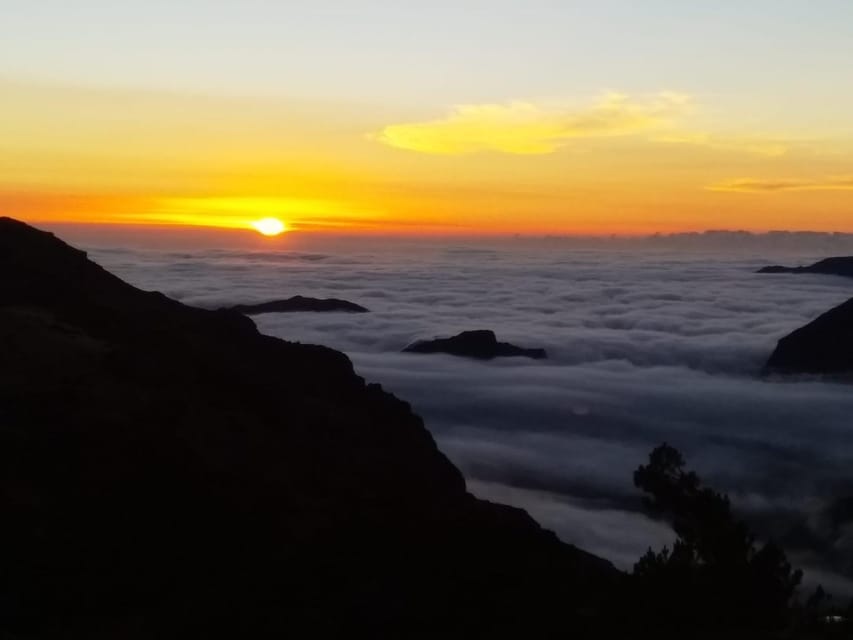
- Important Bird Areas first: São Lourenço and the laurel forest are the core habitat targets
- Endemic hit list: Madeiran Firecrest, Laurel pigeon (Trocaz), and Madeiran Chaffinch
- Small-group attention: maximum 8 participants means less crowding at the best spots
- Observation materials included: easier birding on day one, even without your own kit
- Multiple “watching moments”: you’ll alternate short walking and sitting/scanning for birds
Madeira Endemics in One Trip: What This Tour Is Really About
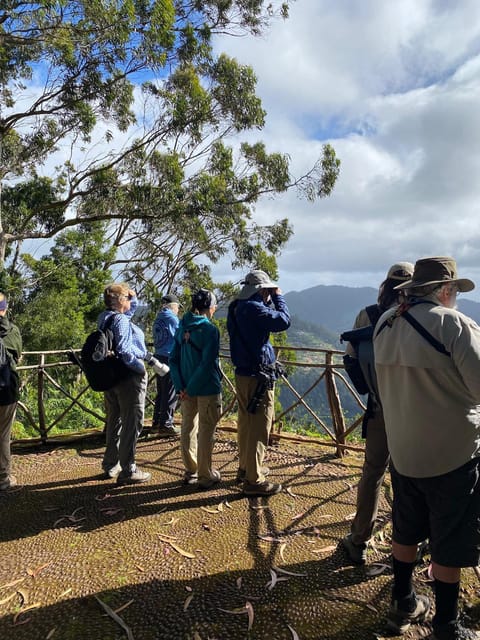
If you’ve ever tried birding on your own, you know the hard part isn’t the walking. It’s knowing what to look for, where the best chances are, and how to read behavior—quick flicks, repeated calls, or the way a bird pauses in shade. This tour is set up to solve that exact problem.
It’s not a general nature walk. It’s a focused day built around Madeira’s endemics: birds you won’t see anywhere else, and habitats that support them. Expect a guided route through several land sites, designed for both movement and stillness—because many of the most exciting birds show up when you stop rushing and start watching.
The big payoff is simple: you’re going after specific species, not just hoping. The tour is aimed at birds like the Madeiran Firecrest, the Laurel pigeon (often called Trocaz in birding contexts), and the endemic Madeiran Chaffinch. Even if you don’t get everything, the tour teaches you what to watch for and why certain places “work.”
You can also read our reviews of more tours and experiences in Madeira.



São Lourenço Meets the Laurel Forest: Two Habitats, Two Different Birding Styles
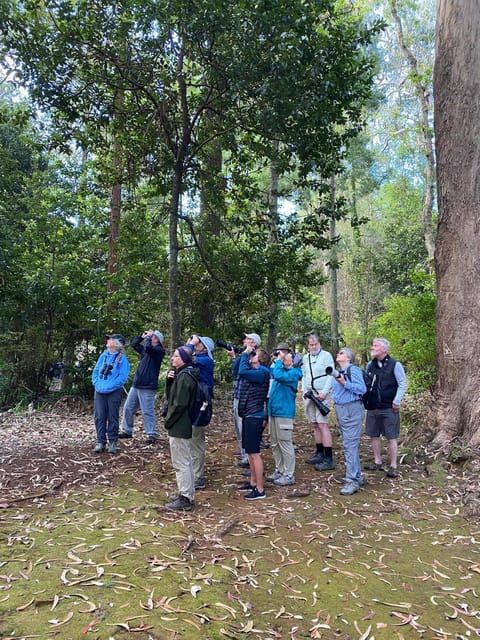
Madeira’s bird life changes fast depending on habitat, elevation, and exposure. This tour leans into that. One of the IBA stops is the São Lourenço peninsula, and another is the laurel forest—two very different worlds for birds.
São Lourenço peninsula: expect open-air scanning
São Lourenço is the kind of place where you often spend more time scanning from safe viewpoints and slower pacing. The peninsula setting can make birds harder to spot at first—shapes can blend into the terrain—but it also pushes you to practice the basics: watch for movement, note how birds react to wind, and focus your eyes where the habitat funnels activity.
What I like about this style is that it teaches patience without killing your energy. You’re not just staring into nothing. You’re learning how the guide frames the habitat and where sightings tend to happen.
Laurel forest: where endemics feel more “at home”
Then you shift into the laurel forest, a habitat associated with Madeira’s classic endemic birds. Here the birding changes again: you may get shorter sight windows, more cover, and a higher chance that birds stay closer to trees and undergrowth.
This is where the Laurel pigeon comes into the conversation—famed and elusive for a reason. You’re typically not guaranteed to see it on any single visit, but the tour structure increases your odds by taking you to a known bird habitat and giving you the right tempo: slow walking, quick resets, and time to scan once you’re in position.
How the Watching Works: Seats, Walks, and Included Observation Material
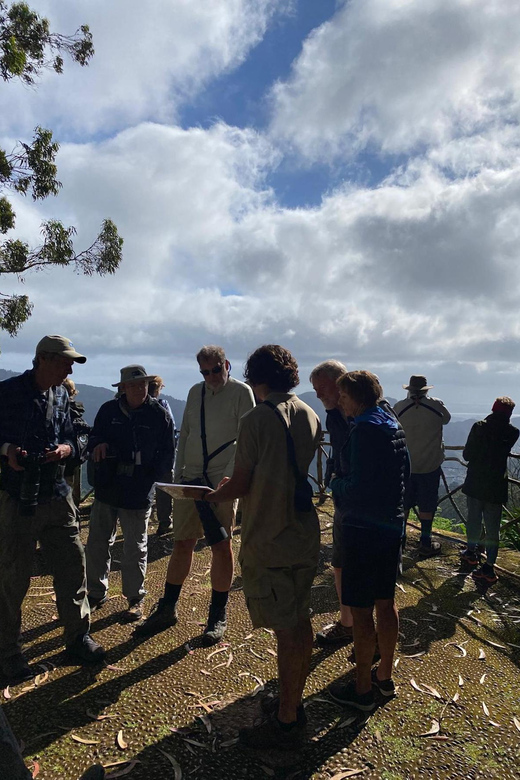
One of the small details that matters: the tour mixes spots where you either walk through or sit put watching. That rhythm is underrated. If you only walk, you miss behavior. If you only sit, you miss micro-changes in where birds feed or move.
Here, you get both. You’ll have guided stopping points designed around endemics, with enough pauses that you can actually look without feeling like you’re falling behind. And importantly, observation material is included, so you don’t have to show up with perfect gear to participate.
You’ll still benefit from your own binoculars if you have them, but the included equipment lowers the barrier. That’s useful if you’re a first-timer, or if you’re traveling light and don’t want to hunt down rentals.
Pace also matters for comfort. The duration is 4.5 hours, which is long enough to cover multiple sites and meaningful pauses, but short enough that you’re not stuck in full-day transit mode. For many people, that makes the experience feel focused rather than exhausting.



Your Bird Target List: Firecrest, Laurel Pigeon, and Madeiran Chaffinch
This is a tour with a mission, so the species focus helps you bird with intent.
Madeiran Firecrest
The Madeiran Firecrest is one of the easiest endemics to get excited about because it’s tied closely to Madeira’s forested areas. The tour’s structure around those habitats gives you chances where this species is expected to show up.
When you’re watching, don’t just hunt for the bird’s body. Watch for flitting movement and quick pauses in cover. Firecrests can be easy to miss if you only look for the moment they’re in full view.
Laurel pigeon (Trocaz pigeon)
The Laurel pigeon has a reputation for being elusive. That reputation is exactly why the tour matters: it’s not sending you to random viewpoints. It’s taking you to bird-relevant habitat through an IBA-focused route, with time set aside to sit and scan.
If you’re hoping for this species, set expectations around “effort pays off,” not “guaranteed.” The guide’s role is to help you time your attention and interpret what’s happening when the forest seems quiet.
Madeiran Chaffinch (endemic)
The endemic Madeiran Chaffinch is a highlight because it’s tied to Madeira specifically, and that makes every sighting feel like a real checkbox. Your best results come from the same two things that help with any small bird: steady scanning and not moving too fast once you find a promising area.
This is also one reason the small group size helps. With fewer people, you’re less likely to constantly shift viewpoints or block each other when a bird finally appears.
Other possible endemics
In addition to the main targets, you may also encounter other species tied to Madeira, including the Madeiran bluefinch and Trocaz pigeons at certain spots. The important point for you: the guide is there to help you identify what you’re seeing and connect it back to habitat, not just call out a name and move on.
Guide Impact: Why a Small Group Makes Birding Easier
This tour runs as a small group, limited to 8 participants. That matters more than it sounds.
At birdwatching hotspots, crowding is a real issue. Birds don’t care that you waited. They care about cover, movement, and noise. Fewer people means less blocking, fewer sudden camera swings, and a calmer atmosphere for listening and scanning.
Language options are also practical: English and Portuguese live guiding. If you’re traveling with someone more comfortable in Portuguese, it’s a nice flexibility that keeps the experience smooth.
Guides like Alex or Alexandre are praised for being strong with bird and habitat interpretation. One thing that comes across in the feedback: it’s not just spotting. It’s learning how to spot—what to pay attention to and how to connect birds to the plant world around you. When that clicks, the whole day feels like education, not just a walk.
Price and Value: Is $64 for 4.5 Hours a Good Deal?
Let’s talk value in plain terms.
You’re paying $64 per person for about 4.5 hours, with a live guide, a small group, and pickup/drop-off within Funchal and Caniço. You also get observation material included. For Madeira, that package can be a good deal if you care about endemics and want to spend your limited vacation time where your odds improve.
The counterpoint: birding can be weather-dependent, and one review called out that they saw fewer birds than expected and didn’t feel the explanations matched the price. That’s the risk side of any targeted wildlife tour. If conditions are poor, or if birds are quiet, you may not feel the same payoff.
So here’s my value filter for you:
- If you want endemics and guide-led habitat targeting, this price usually makes sense.
- If you expect a guaranteed list regardless of conditions, you might feel disappointed.
What to Bring (and What to Wear) for a Comfortable Endemic Day
This is an outdoor tour, and the best bird sightings often happen when you’re comfortable enough to focus. Pack for walking, sitting, and changing conditions.
Bring:
- Comfortable shoes (closed-toe is required)
- Water
- Comfortable clothes
- Clothes that can get dirty
A practical tip: wear layers if you tend to run cold in the forest but warm up on open ground. Madeira weather can shift during a short window, and birding doesn’t pause when you’re uncomfortable.
Not allowed:
- Alcohol and drugs
Also, it’s not suitable for children under 5. If you’re traveling with very young kids, you’ll likely need to choose a different activity.
Weather Reality Check: When Conditions Change Your Chances
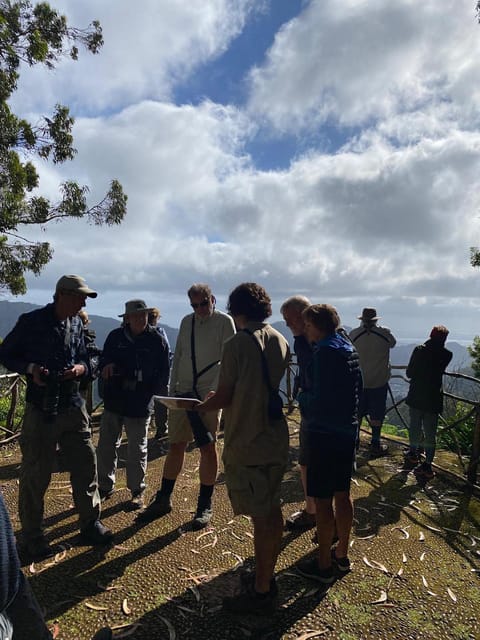
Birding is not a vending machine. Even on a well-run tour, the day’s visibility and bird activity can change.
If the weather is not ideal, you may still learn a lot about habitat and bird behavior—but your bird count may drop. That’s not a flaw in the tour; it’s just how outdoor wildlife works. The best way to stay happy is to treat this as a guided endemics hunt that also teaches you how to look, not only a guaranteed sighting run.
If you’re the type who needs certainty, adjust your mindset. If you’re the type who enjoys learning and adapting, you’ll likely have a strong day even when the sky isn’t cooperating.
Who This Tour Fits Best (and Who Might Prefer Another Plan)
This is best for:
- Bird lovers who want to see Madeira’s endemics with a guide-led plan
- Travelers who like small groups and don’t want big crowds at viewing points
- People who want to learn: not just names, but habitat and behavior cues
You might consider skipping if:
- You’re traveling with someone who can’t handle outdoor walking and sitting for 4.5 hours
- You expect a long list of rare birds no matter what
- You’re bringing children under 5
For most adults and teens who are reasonably mobile, this is a smart way to get real value from a short Madeira stay.
Should You Book Madeira: Birdwatching – The Endemics?
I’d book it if you’re going to Madeira specifically for birds and endemics, and you want a guide to point you to the right habitat. The mix of IBA sites and the small-group setup makes the experience feel purposeful, not random.
I’d think twice only if you hate the idea of wildlife uncertainty, or if you’re expecting guaranteed sightings of the hardest birds. Your best outcome happens when you show up ready to look patiently, listen closely, and accept that conditions can shape the day.
If you can do that, you’ll probably leave with more than memories. You’ll have a better sense of what Madeira’s endemic birds look like in motion, where they tend to show up, and how the habitat does the real work.
FAQ
How long is the Madeira birdwatching tour?
It lasts 4.5 hours.
Where does the tour start and where do you return?
The pickup starts in Funchal, and you arrive back in Funchal.
Do I get pickup and drop-off included?
Pick up and drop offs are available within the Funchal and Caniço areas. If you’re staying outside those areas, you’ll need to contact the provider for possible alternative locations.
What languages is the live guide available in?
The guide is available in English and Portuguese.
Is this a small group tour?
Yes. The group is limited to 8 participants.
Are binoculars or observation tools provided?
Observation material is included, and you can also bring your own if you prefer.
What should I bring, and is there anything I can’t bring?
Bring comfortable shoes, water, comfortable clothes, clothes that can get dirty, and closed-toe shoes. Alcohol and drugs are not allowed.