Funchal hides history in plain sight. This 2-hour walking tour threads together noble houses, cloistered nuns, and foreign settlers in the parts of the city most visitors skip. I really liked how the guide narration tied the places to real events, from the 1566 French attack to the British families who shaped Madeira.
Two things I like a lot: first, the route stays human and walkable, with small-group pacing and stops that explain what you’re looking at instead of making you guess. Second, the guides trained through the University of Madeira programme make the stories land fast; I especially remember the energy from guides like Len and Sabrin, who kept questions moving and didn’t rush us when we lingered.
One thing to plan for: expect cobbles and slight climbs. The tour is listed as wheelchair accessible, but at street level that can still be a challenge if your mobility is limited (and it’s definitely tough if you show up in sneakers that hate hills).
In This Review
- Key points worth your attention
- Where this tour starts (and why that matters)
- The University-led guides, and the small-group pacing you feel
- The 1566 French attack story, and how Funchal got its shape
- English neighbourhood and the English Church area
- Santa Clara Monastery: nuns, royal visitors, and queijadas
- Manor houses, elites, and the quieter architecture you miss alone
- Quinta das Cruzes viewpoint: big views with a real name attached
- What the walk feels like in real life: pace, stops, and hills
- The hidden value: you’re funding education and student support
- Price and value: why $17 works for a 2-hour story tour
- Who should book this walking tour (and who might not)
- A quick reality check on expectations
- Should you book Hidden Funchal: Stories & Secrets Tour?
- FAQ
- How long is the Hidden Funchal: Stories & Secrets Tour?
- Where do I meet the guide?
- Does the tour end where it starts?
- Is the tour in English?
- Is the tour wheelchair accessible?
- What should I bring?
- Are pets allowed?
- Is this tour suitable for children?
Key points worth your attention
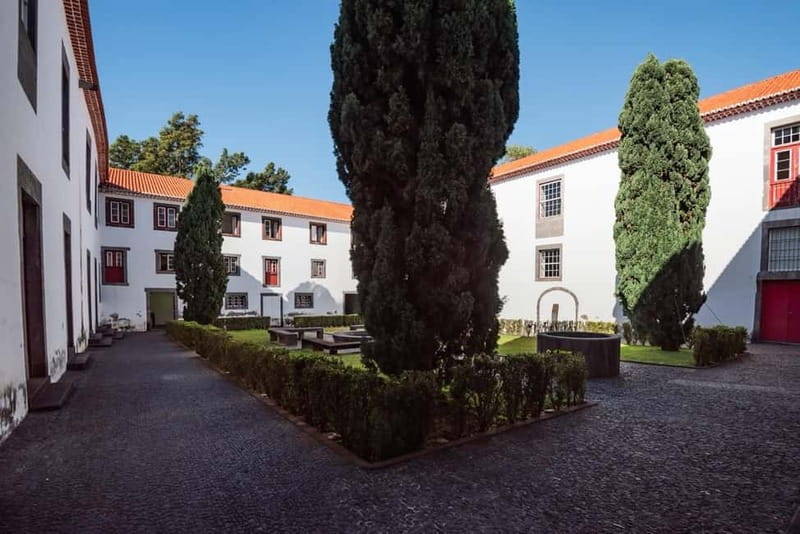
- University of Madeira start point at the Jesuits’ College, right in the heart of Funchal’s old city.
- British influence in the English neighbourhood, including the English Church area and stories tied to local identities.
- Santa Clara Monastery stories, with nuns’ lives and royal visits connected to the island’s famous queijadas.
- Iconic viewpoint time at Quinta das Cruzes, with a link to early settlement history connected to João Gonçalves Zarco.
- Small-group feel, guided by students and volunteers trained through a university-led programme.
- Your money supports students, helping fund free educational visits and social support at the university.
Where this tour starts (and why that matters)
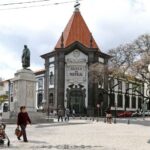
The tour begins at the Jesuits’ College of Funchal, part of the University of Madeira. It’s right by D’Oliveiras Madeira Wine on Rua dos Ferreiros in the city centre. Do not aim for the church entrance itself; look for the University signage and the glass doors at the street level.
This start location is more than a convenient meeting point. It puts you immediately in the zone where Funchal’s story layers overlap: religious history, education, and the same streets locals still use. It also helps you warm up before the walk gets more hill-and-cobble real.
Tip I’d give you: arrive about 10 minutes early. With a meeting at an active university front, the easiest thing is to show up calmly, find your guide, then start without stress.
You can also read our reviews of more tours and experiences in Madeira.



The University-led guides, and the small-group pacing you feel
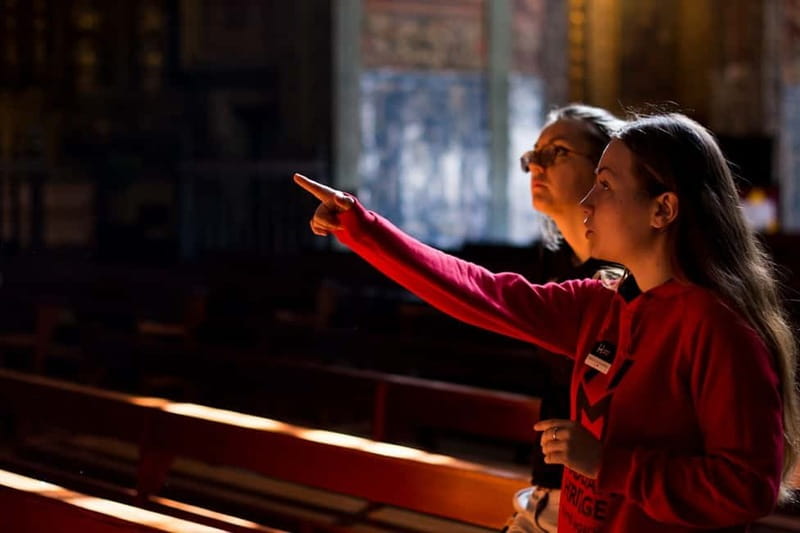
This is delivered through the Madeiran Heritage programme developed at the University of Madeira, and it’s run by students and volunteers. That gives the experience a particular tone. The guides are often young, enthusiastic, and comfortable talking to you like you’re part of the conversation, not a passive audience.
In the reviews, I kept seeing the same pattern: guides didn’t steamroll the group, and they handled extra questions without turning it into a race. That’s not an accident. A small group usually means you can slow down when something catches your eye—like a street corner detail you’d otherwise walk past.
If you like guided walking tours, this one also has a practical edge. It’s not only “look at this building,” it’s “here’s what this building meant, and why it ended up here.”
The 1566 French attack story, and how Funchal got its shape
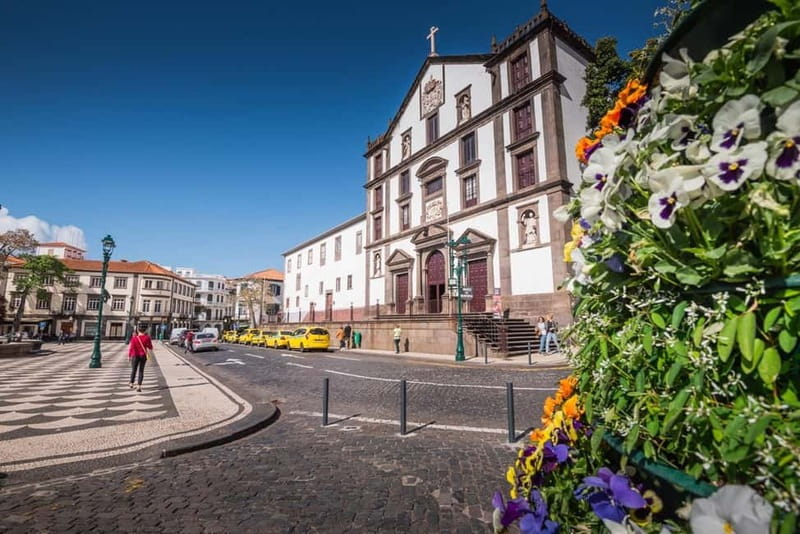
Early on, the guide sets the stage for Funchal’s past with one of the more dramatic moments linked to the city: the French attack of 1566. Stories like this matter because they explain why certain places feel fortified, why certain neighbourhoods have distinct identities, and why the city’s history isn’t just a calm postcard.
You’re walking through old streets while hearing about conflicts, power, and survival. That contrast makes the stones and doorways feel less decorative and more purposeful. Even if you don’t call yourself a history person, you’ll likely find yourself paying attention.
Then the tour shifts from big events to people—nobles, nuns, and foreign settlers. That’s the tour’s best trick: it turns “history” into character-driven storytelling.
English neighbourhood and the English Church area
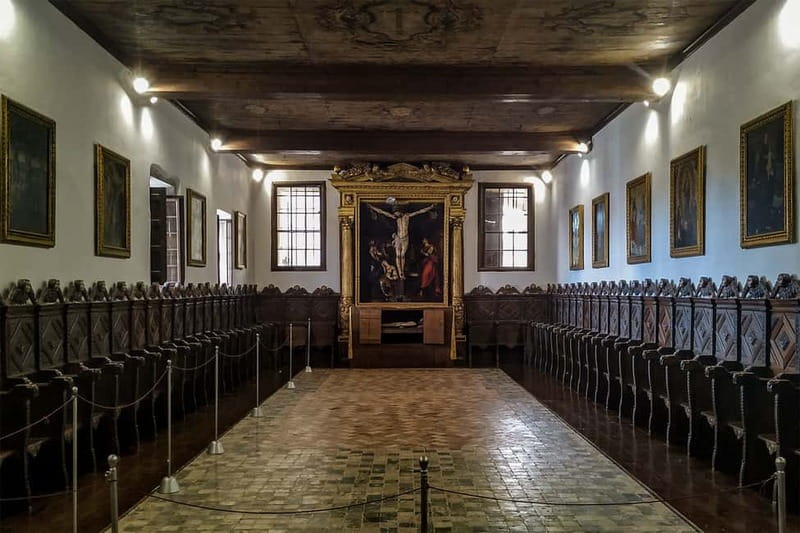
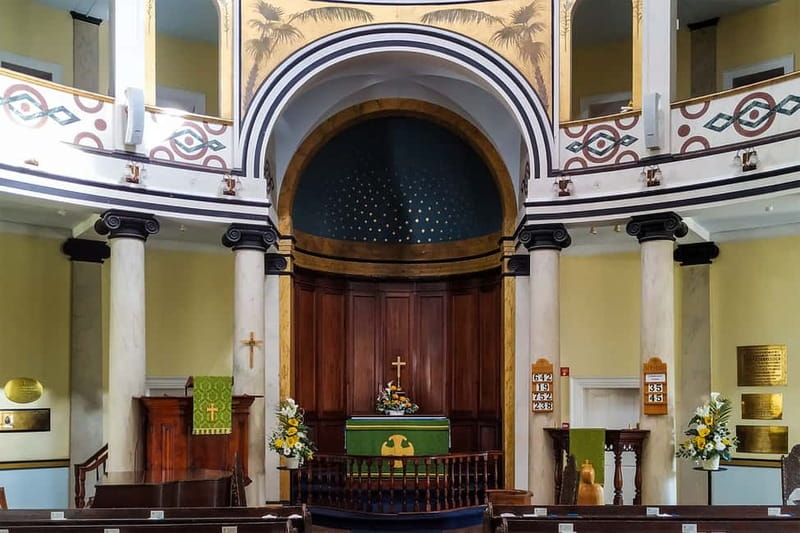
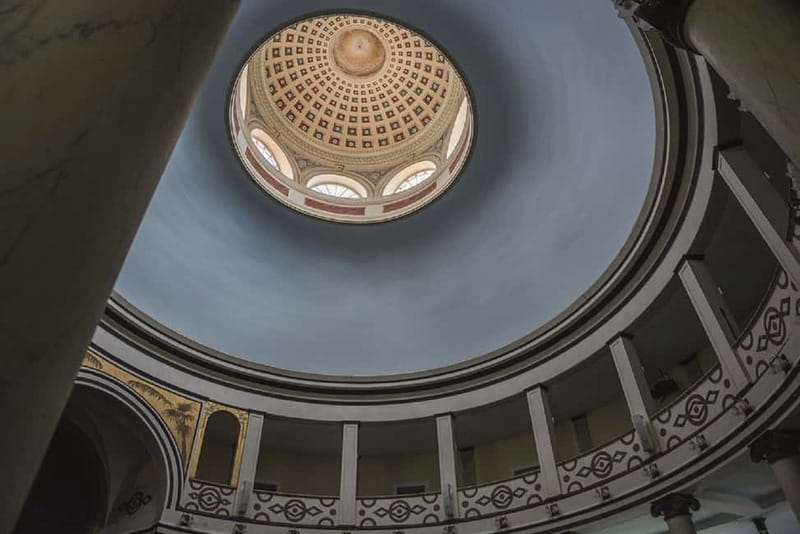
After the early historical backdrop, the route heads toward Funchal’s English neighbourhood. This is where you start to see how British presence influenced local identity over the centuries. The tour specifically points you to the English Church area and connects it to the communities that helped shape Madeira.
One review noted they didn’t get to go inside the English Church, even though the tour was described as visiting it. So here’s my practical advice: don’t assume a full interior visit. Treat it as a stop where you’ll learn what the church represents and what the British families meant in the city’s story. If interior access is offered on your date, great—but plan your expectations around learning from the street-level context.
What you’ll like here is the focus. Instead of throwing every famous sight at you, the guide uses the English neighbourhood as a lens. You start noticing architectural cues and street layout differences right away.
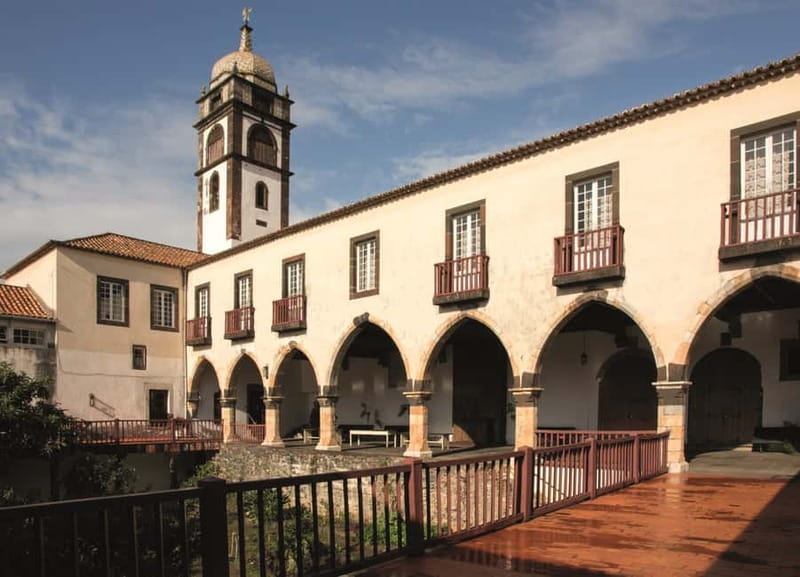
Santa Clara Monastery: nuns, royal visitors, and queijadas
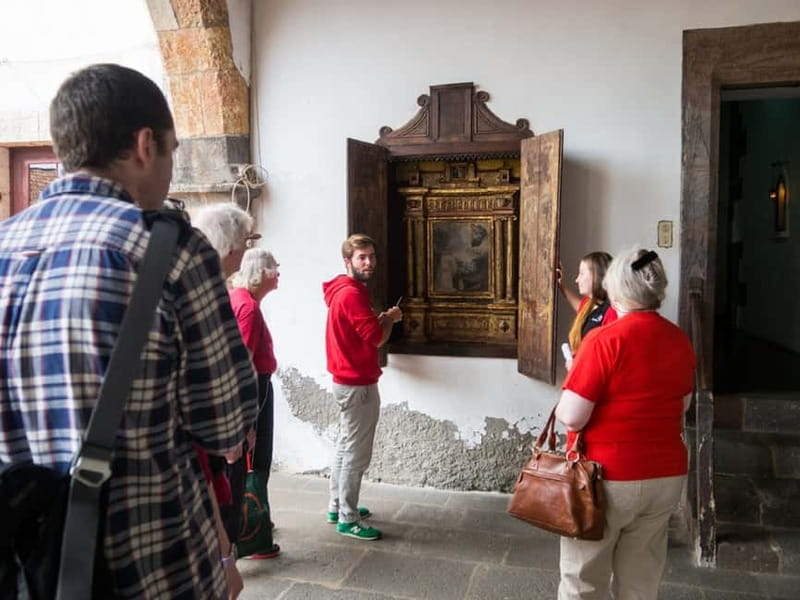
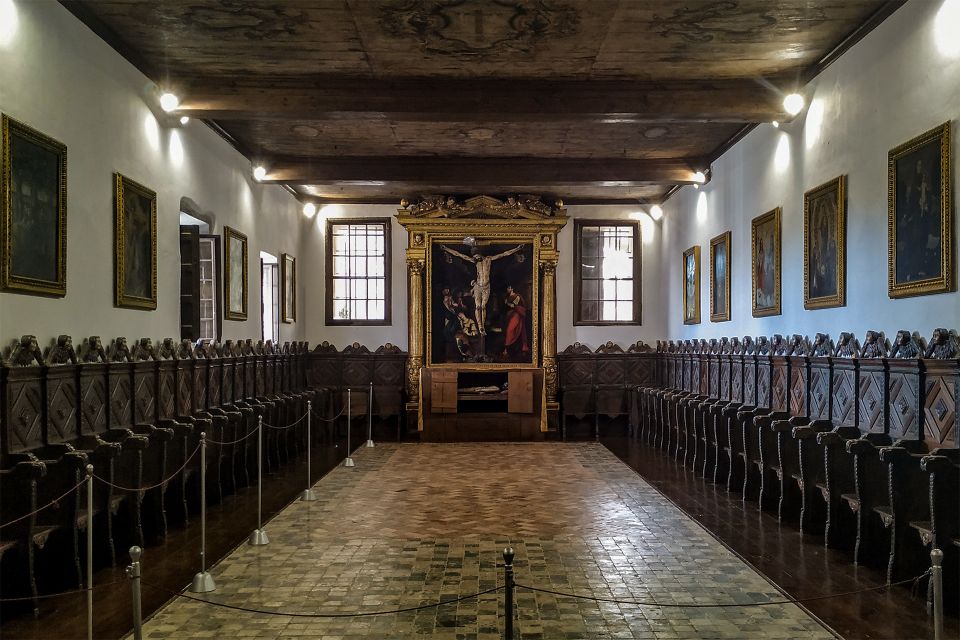
Santa Clara Monastery is the kind of stop that changes your mood from “walking and learning” to “wait, that’s surprising.” The tour connects the monastery to cloistered nuns and also to royal visitors who came for Madeira’s famous cakes—queijadas.
Even if you’re not touring religious sites every day, this is worth your time because it shows how food and reputation travel alongside people. The monastery isn’t presented as a museum-only place. It’s framed as a home with a long story, then as a destination that drew attention from outside.
Also, this is a good mental break in the walk. You’re not sprinting to the next viewpoint. You stop, listen, and then look around at walls, corners, and the way the monastery sits within the city.


Manor houses, elites, and the quieter architecture you miss alone
The route also passes manor houses built by Madeiran elites. This is where you see another side of Funchal: not just churches and viewpoints, but the residential and social power that lived along the streets.
I like this part because it gives you a different picture of what “noble past” means. It’s not only royal ceremonies. It’s also money, influence, family legacy, and how that legacy shows up in walls, fronts, and location choices.
As you walk, the guide adds context about churches built by noble families too. You start spotting patterns: who built what, and why that’s important to understanding the city’s layers.
If you’re the type who loves stepping off the standard route, you’ll enjoy the quiet backstreets and historic districts the tour uses to connect dots.
Quinta das Cruzes viewpoint: big views with a real name attached
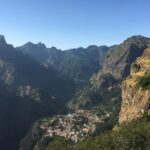
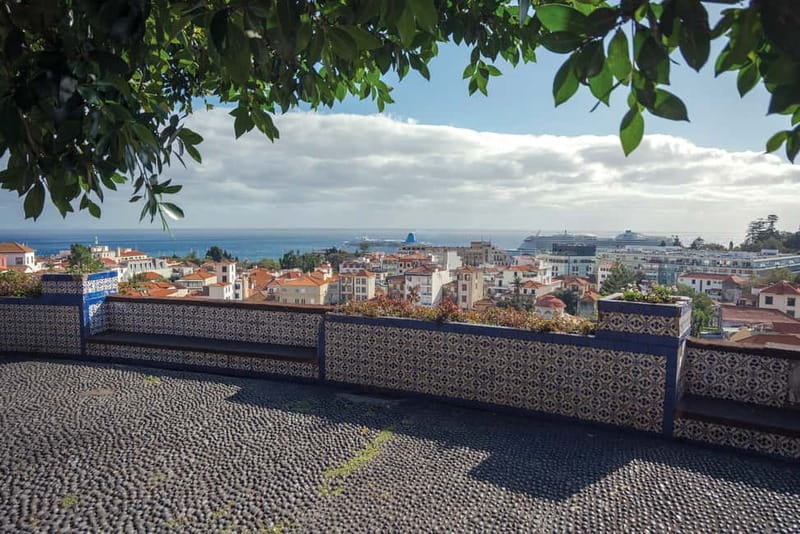
At some point, you’ll reach Quinta das Cruzes, and this is where the tour gives you a classic Madeira payoff: panoramic views from one of the area’s iconic hills.
But you’re not just there for the scenery. You’re also hearing the story link to early settlement—specifically João Gonçalves Zarco, the naval captain connected to early island settlement in the 15th century under the Portuguese king.
This mix is smart for your day. Views can feel like a reward-only moment. Here, the guide gives you a reason behind the geography. You look out and suddenly you can place the island’s early chapters into the same landscape you’re seeing now.
Photo tip: bring your phone battery-friendly mindset. Viewpoints mean photos, and cobbled streets mean you’ll want stable footing.
What the walk feels like in real life: pace, stops, and hills
The tour runs for 2 hours, and it’s designed as a guided walking circuit that starts and ends back at the meeting point. Expect a gentle-but-real city walk. The route includes cobbled streets and slight inclines.
That detail matters because it affects how enjoyable the experience is. If you want to take photos often, you’ll probably do better with comfortable shoes and slower walking than you think. This is also why people in the reviews consistently praised the pace: a tour that explains instead of rush-crowding you tends to feel longer in the best way.
Weather-wise, it runs in most conditions. Bring sun protection or rain gear based on what the forecast looks like.
Also note what’s not allowed: pets, and luggage or large bags. So if you’re traveling light, great. If you’re carrying a big bag, you may need to plan storage before the tour starts.
The hidden value: you’re funding education and student support
Let’s talk money and meaning, because this is not just a sightseeing product.
The tour proceeds support:
- free educational visits for schools across the region, and
- social programmes for needy university students.
The delivery model through the University of Madeira programme is part of that. You’re essentially paying into a local education ecosystem, not sending funds elsewhere. In multiple reviews, people explicitly respected the charity aspect, and that attitude makes sense. For $17, you’re getting a guided walk plus the knowledge that your payment helps fund student opportunities.
In practical terms, this is a good choice when you want your day in Madeira to feel a little more grounded. You’re seeing the city’s identity—then helping preserve educational access that shapes the next generation.
Price and value: why $17 works for a 2-hour story tour
$17 is low for a guided experience that lasts 2 hours and includes a series of structured stops tied to history, architecture, and viewpoints.
What you’re paying for is not only the guide’s time. You’re paying for:
- a guided route that stays off the main tourist treadmill,
- specific stops (English Church area, Santa Clara Monastery, Quinta das Cruzes viewpoint),
- a small-group setting, and
- the university-linked social mission.
If you compare that to paying for a generic city walk that gives you a few dates and a map—this tour tends to feel more purposeful. You’ll likely leave with a clearer mental map of Funchal’s old centre and a few stories you can retell while you’re walking back to dinner.
Who should book this walking tour (and who might not)
This tour is a strong fit if you:
- enjoy walking tours that explain context, not just sights,
- want to see Funchal’s “off-route” neighbourhood feel,
- like British and Portuguese historical layers in one city,
- want a short, high-information day that still moves at a human pace, and
- care about supporting education in the region.
It may be less ideal if you:
- have limited mobility and find cobbled streets and slight climbs difficult,
- hate walking hills (even small ones), or
- expect a guaranteed interior visit inside the English Church.
A quick reality check on expectations
Here’s how to set yourself up for success.
You’re not on a bus tour. This is street-level. You’ll see a lot by foot, and the “story” is delivered through narration at each stop.
You should also expect a tour that mixes:
- major historical anchors (like the 1566 attack),
- religious site context (Santa Clara),
- cultural connections (British families and the English neighbourhood), and
- a viewpoint payoff (Quinta das Cruzes).
That blend is the point. It’s how the tour avoids feeling like a checklist.
Should you book Hidden Funchal: Stories & Secrets Tour?
Yes, if you want a 2-hour Funchal experience that’s both enjoyable and meaningful. The strongest reason to book is the combo of small-group pacing, a route built around specific local stories, and the fact that your money supports education and university student support in Madeira.
If you’re concerned about hills or cobbles, don’t ignore that. Check your comfort with uneven surfaces before you go, and choose footwear that feels sturdy.
For everyone else: this is the kind of tour that makes you see the same streets you would’ve walked past—then suddenly you understand what you were looking at all along.
FAQ
How long is the Hidden Funchal: Stories & Secrets Tour?
The tour lasts 2 hours.
Where do I meet the guide?
Meet at the Jesuits’ College of Funchal, University of Madeira, next to D’Oliveiras Madeira Wine on Rua dos Ferreiros in the city centre.
Does the tour end where it starts?
Yes. The tour ends back at the same meeting point.
Is the tour in English?
Yes, the tour guide speaks English.
Is the tour wheelchair accessible?
The tour is listed as wheelchair accessible, but the route includes cobbled streets and slight inclines, which may be hard for guests with limited mobility.
What should I bring?
Wear comfortable shoes. It also helps to bring sun protection or rain gear depending on the forecast.
Are pets allowed?
No, pets are not allowed.
Is this tour suitable for children?
It’s suitable for children aged 10+, and younger children are welcome with supervision.