REVIEW · FUNCHAL
Agriculture Green Tour
Book on Viator →Operated by Secret Madeira Lda · Bookable on Viator
You’ll leave the crowds and meet farmers instead. This small-group agriculture tour pulls you far from the usual Madeira bustle, with pickup, English guidance, and hands-on visits to family-run farms for bananas, dairy, and rum production. I love the banana plantation + co-op story and how clearly the guides explain what goes into food on this island. I also love the traditional lunch with local vegetables, plus the rum factory tastings and rum cake. The main catch: there’s walking on farm paths and you’ll be close to animals, so it’s not a great fit for anyone who needs stroller access or has mobility limits.
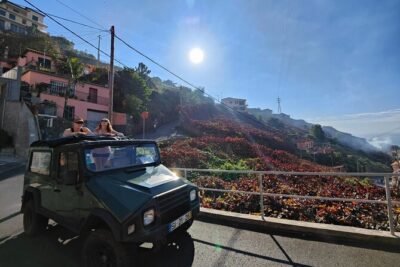
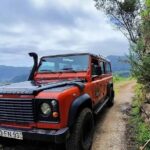
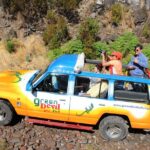
On the road, you get that classic Madeira feeling of winding old routes. You’ll also stop at a cable car scenic viewpoint on the way back, which helps break up the day into something you can actually enjoy. Guides Lucy and Bryan come across as upbeat and patient, answering questions at a pace that lets you keep up.
In This Review
- Key Things I’d Watch for Before You Go
- Why This Madeira Agriculture Day Feels Like Island Life
- Price and What You Actually Get for the Money
- Pickup From Machico to Prazeres and How the Ride Works
- Entering the Banana World: Family Farm Meets the Co-op Scale
- Rum Factory, Honey Cake, and the Taste of Production
- Cow Farms, Madeira Cheese, and Why Milk Matters Here
- Lunch in the Village: Local Vegetables, Restaurant Comfort
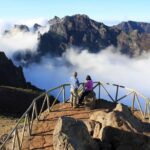
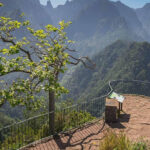
- Cable Car Viewpoint Break: Easy Scenic Reward on the Way Back
- What to Bring and How to Prepare (Shoes, Jacket, and Safety)
- Who This Tour Suits Best (and Who Should Skip It)
- Does Weather Matter Here?
- Should You Book the Agriculture Green Tour?
- FAQ
- How long is the Agriculture Green Tour and when does it start?
- Is pickup and drop-off included?
- What food and tastings are included?
- What language is the tour offered in?
- Is the tour stroller accessible, and can I bring pets?
- What should I wear or bring?
- Does it run on weekends or public holidays, and what if weather is poor?
Key Things I’d Watch for Before You Go
- Max 8 people means you’re not stuck listening to a microphone from the back row.
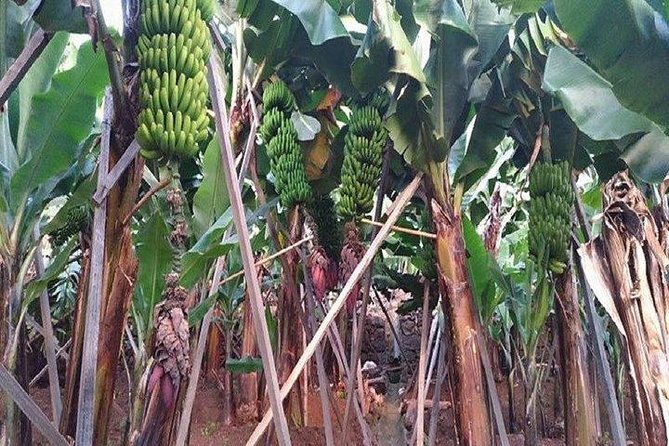
- Family banana farm + banana co-op shows how private growing and larger distribution work together.
- Rum factory time includes tastings linked with the island’s honey cake tradition.
- Two cow-farm perspectives connect milk to Madeira cheese and beef cattle to island farming life.
- Traditional lunch with local produce happens at a restaurant in the village area, not a random roadside stop.
- Cable car viewpoint stop adds an easy scenic break on the return drive.
Why This Madeira Agriculture Day Feels Like Island Life
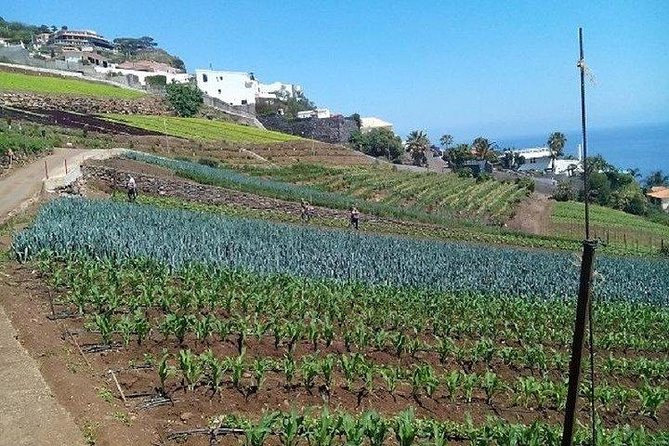
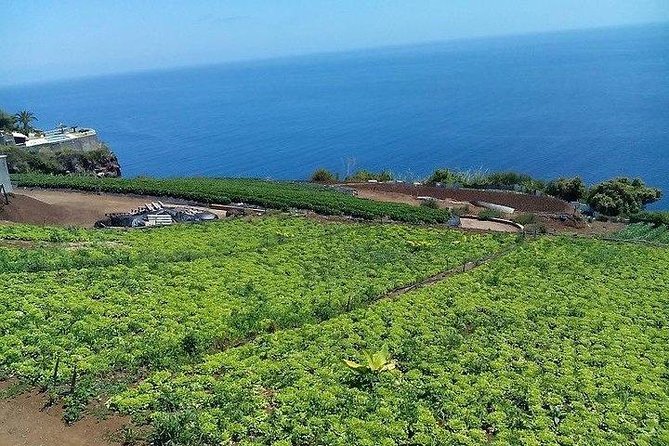
Madeira can be pretty easy to tour if you stick to viewpoints and short photo stops. This day takes the opposite route. You’re out in the working landscape—banana fields, dairy and beef cattle areas, and food production that’s still part of day-to-day life. It’s the kind of tour where the details matter, because you’re learning how people feed their families and supply local supermarkets.
What makes it work is the pace. It’s built around multiple stops, but it never feels rushed. You’re guided between farms, and the breaks are practical—food, snacks, and a calm village setting for lunch. I also like that the tour is honest about what’s involved: some walking, some time near animals, and mountain weather possibilities.
The group size keeps things human. With only up to eight people, the guide can answer questions and slow down when something is unclear. I especially liked the way guides Lucy and Bryan handled questions, taking time to explain and then checking that everyone was having a good day.
You can also read our reviews of more tours and experiences in Funchal.

Price and What You Actually Get for the Money
At about $100.55 per person for roughly a 7-hour outing, the value comes from what’s bundled together. This isn’t just transport plus a few photos. You’re paying for guided farm visits, tastings and snacks, and a sit-down lunch with drinks. You also get pickup and drop-off, which matters on Madeira where getting across the island without a car can be a headache.
Here’s what you’re really buying:
- Guided access to private family farms and production sites you’d likely miss on your own.
- Food and drink included, including lunch plus rum-related tastings and traditional cake.
- Small-group attention, which changes the whole experience when you’re learning about farming and production.
The price also feels more reasonable when you think about time. With a scheduled day that includes drive time, farm stops, and a return viewpoint, you’re not spending your holiday figuring out routes and timing. You just show up ready to walk a bit and eat well.
Pickup From Machico to Prazeres and How the Ride Works
You start at 9:00 am, with pickup and drop-off included. The tour area covers pickup options across the island side, but some zones cost extra. From Machico to Santana, pickup has an additional cost range of 10 to 35€. For hotel pickup between Ribeira Brava and Prazeres, it’s also 10 to 35€. If you’re coming from the cruise front, pickup is 4.50€ per person, plus 2.00€ per child.
Two practical notes:
1) There’s no public transportation nearby, so pickup isn’t a small perk—it’s part of how you can do this day at all.
2) You’ll be in a vehicle for parts of the route, including drives through old roads. That’s part of the fun, but it also means you’ll feel the day as a “whole experience,” not a collection of quick stops.
Even though it’s a full day on paper, the tour states about 6 hours counting the lunch stop (the total day is approximate). That difference matters because you want to plan your afternoon and not assume you’ll be back instantly at 10:30.
Entering the Banana World: Family Farm Meets the Co-op Scale
The banana stop is one of the anchors of the day. You start with a private family banana farm, which is the part that feels personal—how a family grows, cares for plants, and handles the day-to-day realities of producing fruit. Then you go bigger: you also visit the biggest banana co-operation connection mentioned in the tour, plus a fruit and vegetable farm that supplies many supermarkets.
Why this matters for you: it helps you see Madeira bananas as more than a souvenir. You learn how growing connects to distribution. And because it’s paired with a family farm, you can compare what changes when you scale up—from hands-on care to systems that feed wider markets.
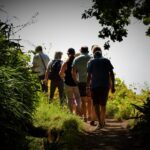
Expect guidance on what you’re looking at, plus time to understand how bananas fit into a broader farming operation. Also, you’ll be in an environment where working conditions are real. Your guide will help you get around safely, especially since farm paths and animals aren’t laid out like a park.
Rum Factory, Honey Cake, and the Taste of Production
After bananas, the tour shifts from fields to finished product. You visit a rum factory, with tastings tied to the production side of the island. This is where the day gets extra fun if you like food and drink that comes with a story.
You’ll also hear about and sample the traditional rum and honey cake connection. It’s not just dessert-time; it’s part of understanding how local ingredients and local production habits show up in everyday treats.
A smart tip: go into tastings with a light plan for the rest of the day. It’s not a drinking contest, but it’s enough that you’ll want to pace yourself—especially because you’ll still be moving around for the later farm visits and the return scenic stop.


Cow Farms, Madeira Cheese, and Why Milk Matters Here
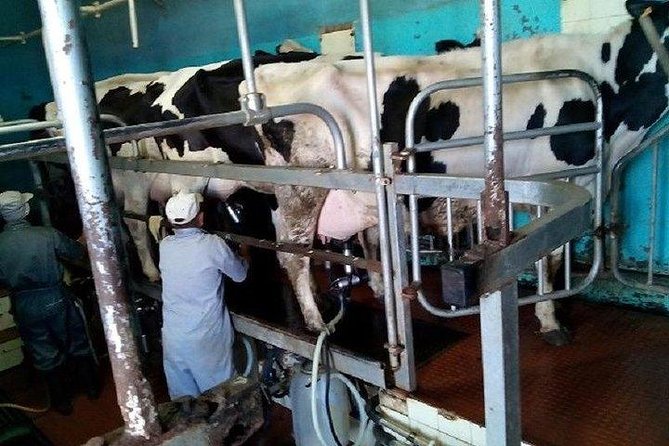
Then you get the dairy side of Madeira farming. The tour includes a cow farm that provides milk for Madeira cheese, plus a separate cow farm where beef cattle are kept.
This is the part I’d call educational in the most practical way. You get a direct link between an ingredient you can buy (cheese, beef) and the farms that make it possible. Instead of learning about cheese only through taste, you learn how milk enters production and why it starts here.
It also helps you understand that Madeira farming isn’t one single crop. The island supports different kinds of production based on terrain, tradition, and demand. Seeing the dairy farm connection and the beef cattle setup in one day gives you a fuller picture of how island food systems work.
And yes, you’ll be near animals. The tour specifically notes safety and extra care when coming around them, so follow your guide’s instructions about where to walk and when to pause.
Lunch in the Village: Local Vegetables, Restaurant Comfort
Lunch is a standout because it’s straightforward and local. You eat in a traditional restaurant, and the meal centers on fresh Maderian vegetables. There’s also a visit to the village area connected to where the tour takes place, so lunch doesn’t feel isolated from the day’s surroundings.
I like that lunch is handled inside the tour rhythm. No scavenger hunt for food, no “guess the nearest café” stress. You also get lunch and drinks included, plus snacks and tastings throughout the day.
If you’re planning your dietary needs: you should inform the guide if you’re vegetarian or vegan. That’s important because the tour notes it directly—so don’t assume it’ll automatically be handled without a heads-up.
Cable Car Viewpoint Break: Easy Scenic Reward on the Way Back
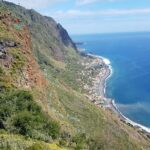
On the return drive, you can stop at a cable car viewpoint. This is a smart addition because it gives you a change of pace from farm time. Even if the day is already full, a scenic overlook helps you reset, especially after walking and sampling.
It also helps you connect what you learned to what you see from above. You start to understand how the island’s terrain shapes what can be grown and raised. Views here aren’t just pretty wallpaper—they’re part of the mental map.
Bring a light layer even if the day feels warm. In the mountains, weather can shift, and the tour specifically suggests bringing a jacket.
What to Bring and How to Prepare (Shoes, Jacket, and Safety)
This is a working-farm-style day. Wear comfortable shoes because there’s walking involved. The tour also asks you to bring a jacket for the mountains—which is a polite way of saying the weather can cool off when you’re higher up or moving through different elevations.
A few practical expectations:
- You’ll be near animals at times, so stay close to your guide and follow safety instructions.
- You’ll spend parts of the day outdoors or between production areas.
- Strollers aren’t a fit here; the tour notes not stroller accessible.
If you’ve got a day where you’re hoping for an easy shuffle, this won’t be that. But if you can handle short walks and like learning with your senses—smell, taste, textures—this is exactly the right kind of activity.
Who This Tour Suits Best (and Who Should Skip It)
This works best for:
- People who like real food stories—where bananas, cheese, and rum come from.
- Anyone who enjoys small-group days where you can ask questions.
- Visitors who want to understand Madeira beyond viewpoints, with the island’s farming life front and center.
You should consider skipping if:
- You need stroller access or you have limited mobility. The tour isn’t designed for that.
- You’re traveling with pets. It’s noted as not suitable for pets.
- You dislike walking near farm areas or being around animals, even with safety guidance.
The tour also doesn’t run on weekends and public holidays, so it’s worth checking your dates early so you don’t plan your whole Madeira schedule around it and then get stuck.
Does Weather Matter Here?
Yes. The tour requires good weather, and if it’s canceled because of poor conditions, you’ll be offered a different date or a full refund. That’s not unusual in Madeira, but it’s still worth taking seriously—especially if you’re squeezing this day into a tight itinerary.
Should You Book the Agriculture Green Tour?
I’d book this if you want a day that trades crowds for working farms and the island’s food production. The strongest reasons are simple: the family banana + co-op pairing, the rum factory tastings, and a traditional lunch that actually feels tied to the place. Add in a small group and guides like Lucy and Bryan who keep the tone friendly and the explanations clear, and you’ve got a day that feels worth the money.
If you’re looking for maximum comfort with minimal walking, or if accessibility is a priority, you may want to choose a different style of tour. But if you can wear sturdy shoes, handle a jacket, and enjoy learning how Madeira feeds itself and supplies its markets, this is one of the better ways to spend a day.
FAQ
How long is the Agriculture Green Tour and when does it start?
The tour starts at 9:00 am. It runs for about 7 hours (approx.), and it notes 6 hours counting the lunch stop.
Is pickup and drop-off included?
Yes, pickup and drop-off are included. Extra pickup costs can apply depending on where you’re staying, such as Machico to Santana (10 to 35€) and Ribeira Brava to Prazeres (10 to 35€). Cruise-front pickup has an additional cost of 4.50€ per person (and 2.00€ per child).
What food and tastings are included?
The tour includes lunch and drinks, plus tastings and snacks. It also includes rum-related tastings and traditional rum cake.
What language is the tour offered in?
The tour is offered in English.
Is the tour stroller accessible, and can I bring pets?
No. The tour is not stroller accessible and not suitable for pets.
What should I wear or bring?
Bring comfortable shoes because there is some walking. The tour also recommends bringing a jacket for the mountains. If you’re vegetarian or vegan, inform the guide.
Does it run on weekends or public holidays, and what if weather is poor?
It does not take place on weekends and public holidays. It also requires good weather; if canceled due to poor weather, you’ll be offered a different date or a full refund.