REVIEW · MADEIRA
Madeira: Open Water Diver First Certification Course
Book on GetYourGuide →Operated by Azul Diving Madeira - Blue Safari Madeira · Bookable on GetYourGuide
Getting your scuba basics right matters.
This Madeira Open Water Diver first certification course gives you the theory, the pool practice, and then four open-water sessions with an instructor right there with you. I especially liked the small group of up to 4, and the fact that you can start with e-learning before you ever set foot in the water. One thing to consider: it’s not a casual outing, and you do need to be a competent swimmer and medically fit for scuba.
On the schedule, you’ll go step-by-step: learn the terms and principles, get comfortable using the full gear setup in a pool, then move to shallow sea training with controlled depth. The whole pace is designed to build confidence first, not just check boxes.
In This Review
- Key highlights I’d anchor your decision on
- Madeira makes a smart training base for first certification
- Your 3-day flow: theory first, then pool drills, then four sea sessions
- What this schedule does well
- What can feel challenging
- E-learning included: how to fit scuba theory into real travel time
- My advice for e-learning success
- Pool training: gear confidence beats memorizing rules
- What you should be prepared to do in the pool
- Four open-water sessions: instructor support where it counts
- Why the maximum depth matters
- How to make those sessions feel easier
- Certification you can actually use: what Open Water means after the course
- What you should double-check before you plan your next trip
- What you’re really paying for: value in gear, insurance, and small-group time
- Why “included equipment” is a big deal
- Small-group value
- Instructor vibe: how the learning stays friendly and focused
- What to bring and what to plan for on Madeira
- Who this course is not for (and why that protects you)
- Booking reality check: flexibility and the pre-payment model
- Should you book this Open Water Diver course in Madeira?
- FAQ
- How long is the Madeira Open Water Diver first certification course?
- What is the price per person?
- Is e-learning included, and how long does it take?
- What training is included besides sea sessions?
- What is the maximum depth you can expect during the course?
- Is food and drinks included?
Key highlights I’d anchor your decision on
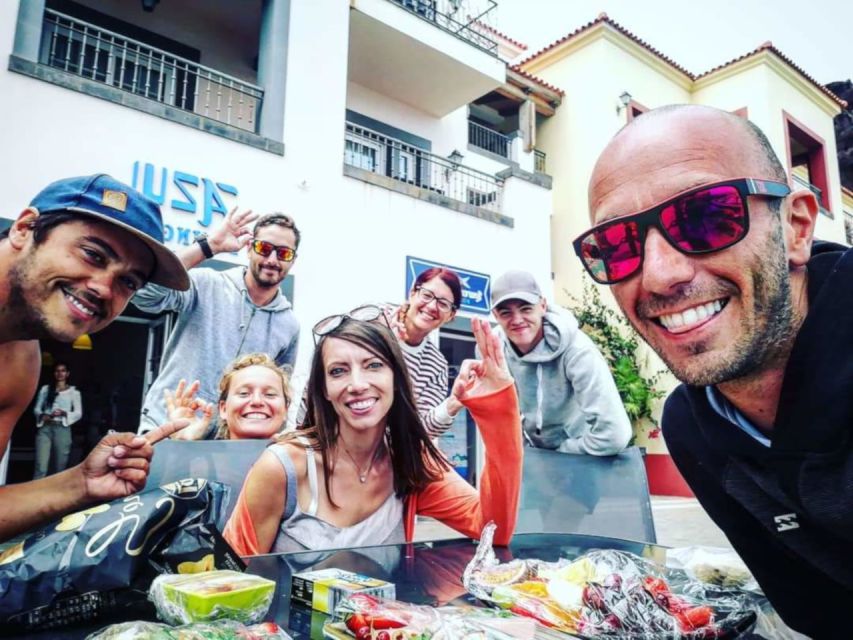
- E-learning included (5–10 hours total): study on your time, offline or online, with a way to ask questions.
- Pool practice before the sea: you work through gear use and confidence-building drills with an instructor.
- Four open-water sessions in the sea: instructor support stays close during the real environment training.
- All scuba equipment + teaching materials included: you show up and learn with the proper kit.
- Shallow, controlled depth expectations: you’ll typically train starting around 12m/40ft, with a maximum of 18m/60ft.
- A worldwide Open Water certification: once completed, you can take part with a scuba buddy up to 18 meters/60 feet.
Madeira makes a smart training base for first certification
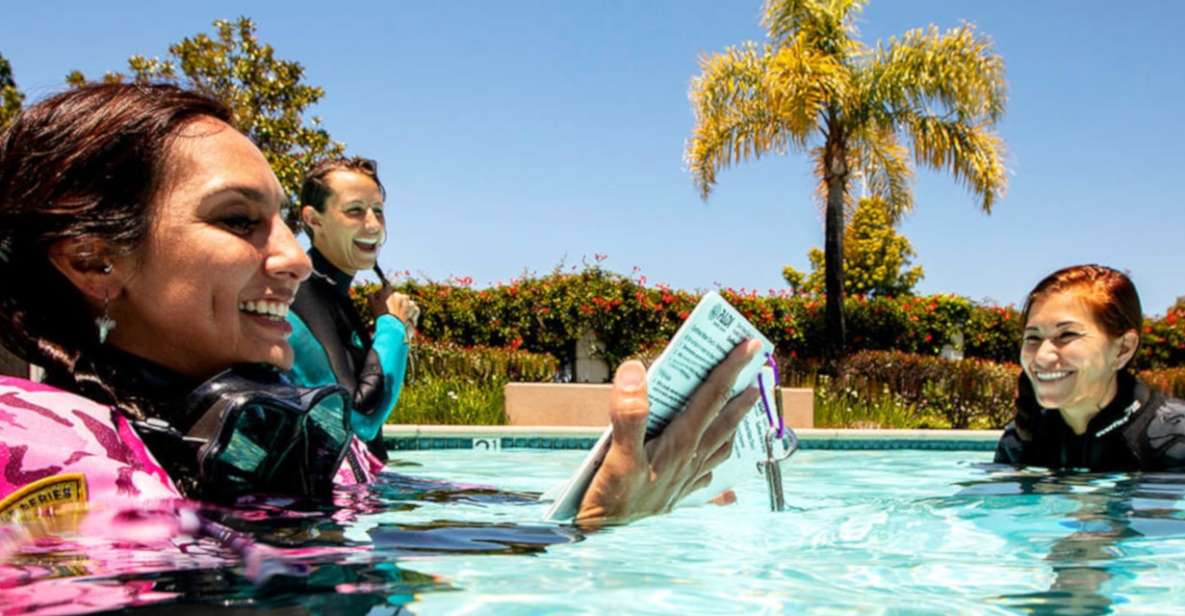
Madeira is a great place to learn because it lets you do two things back-to-back: build skills in a pool-like, controlled way, then test those skills in the sea. Even better, this course is built for beginners with shallow depth limits and close instructor guidance. That matters for your stress level.
The setting also helps you understand what you’re learning in context. Scuba isn’t just about gear and breathing. It’s about managing your body, your attention, and your decisions while the water behaves differently than a classroom or a pool. This course is structured so you learn the basics, then transfer them to open water without jumping ahead.
And because the group is capped at four participants, you’re less likely to get lumped into a “good luck and swim” vibe. The instructor time is used for real feedback.
You can also read our reviews of more tours and experiences in Madeira.

Your 3-day flow: theory first, then pool drills, then four sea sessions
The course runs for 3 days total, and it follows a simple ladder.
First, you learn the scuba principles and terminology. That’s the part that sounds dry until you realize it directly affects everything you do underwater. Once you know the words and the logic, the physical skills become easier and less mysterious.
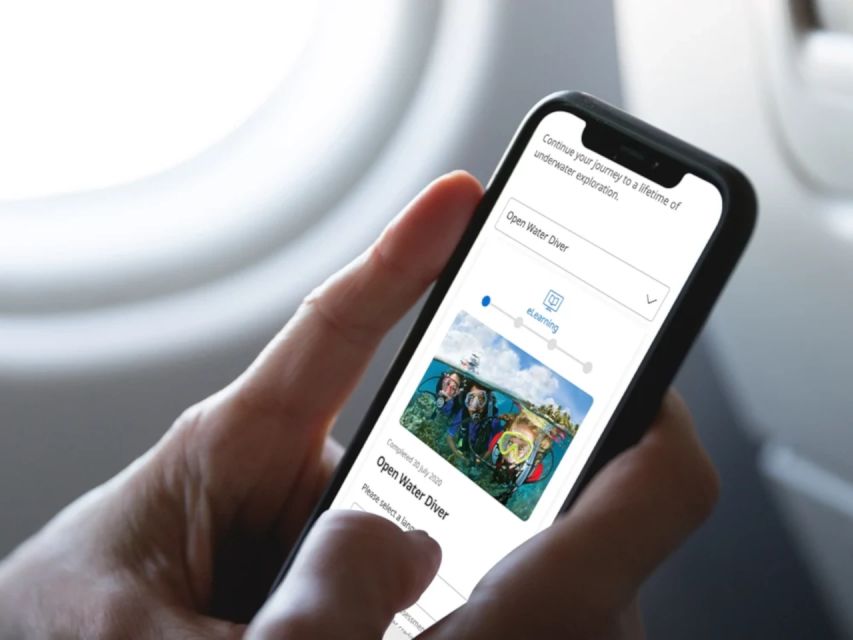
Next comes the pool. You’ll practice basic scuba skills with a highly trained instructor until you’re comfortable. This is where you learn to handle the gear, control your breathing, and move with intention. Expect practice in short, confidence-building chunks, not one giant leap.
Finally, you do four open-water sessions in the sea with your instructor supporting you every step of the way. The course sets expectations clearly: you’re not trying to go super deep on day one. You’re proving you can function safely at shallow depths and apply what you learned.
What this schedule does well
It reduces “unknowns.” You don’t learn the hardest part cold. You build competence in the pool first, then you test it in open water. That’s how first-timers actually feel relaxed enough to learn fast.
What can feel challenging
It’s still a condensed 3-day course. If you’re tired from travel, you might feel the pace. The e-learning option helps, because arriving with some basics already learned makes the first day easier.
E-learning included: how to fit scuba theory into real travel time
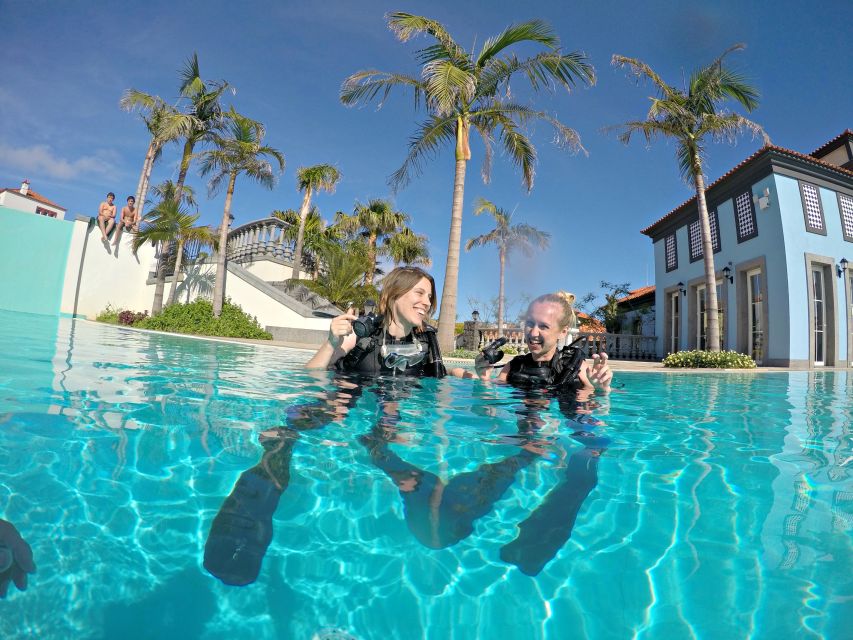
You don’t have to cram scuba theory only in the classroom. The course includes e-learning, with a stated time commitment of 5–10 hours. You can study offline or online on a computer or mobile device.
The practical advantage is flexibility. If you’re on Madeira for a few days and don’t want the whole trip eaten by classroom time, you can do theory before you go, or in the early part of the trip. You can also connect with your instructor if questions come up, which matters because theory is only useful when you understand it.
If you like a tidy plan, do a chunk of e-learning before arrival, then treat the in-person time as skill-building and troubleshooting. If you’re more spontaneous, you can wait and learn during the trip. Either way, you’re meeting the course with a baseline.

My advice for e-learning success
Don’t just watch or read. Take notes on terminology and processes you keep mixing up. This course is about applying those ideas under pressure, so your memory needs to work when you’re wearing gear and focusing on breathing.
Pool training: gear confidence beats memorizing rules
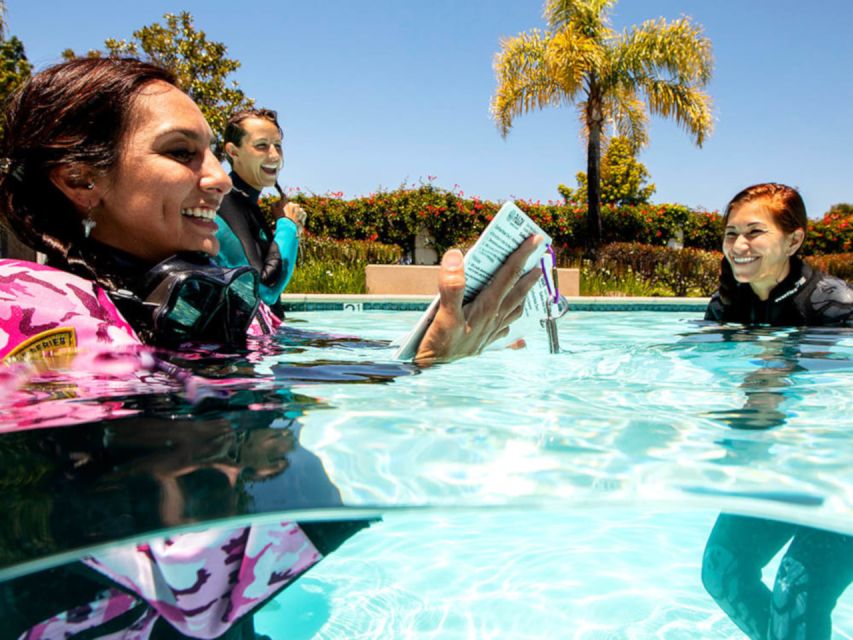
In the pool, the focus is on making the gear feel normal and the skills feel repeatable. You’ll practice using the scuba equipment until you’re comfortable, and the training includes smaller practice sequences designed to build confidence before you go into the sea.
This is a key part of why the course works for beginners. You learn the mechanics when you can touch the bottom, feel secure, and reset quickly. You get to discover what feels awkward: how the regulator behaves, how buoyancy feels, how your body moves while breathing through the setup.
I also like that the instructor is directly involved. You’re not just doing exercises. You’re learning what the instructor is watching for and how to fix common mistakes.
What you should be prepared to do in the pool
- Wear and manage complete scuba equipment
- Practice basic skills with instructor guidance
- Repeat drills until the movements feel calm and controlled
It’s normal if you feel a bit clumsy at first. The goal is comfort, not performance.
Four open-water sessions: instructor support where it counts
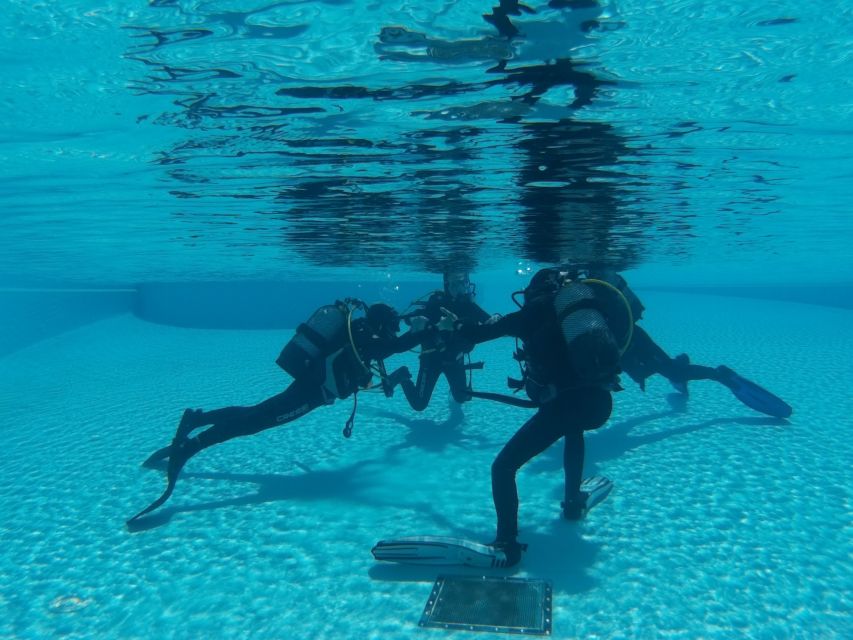
Once you’re ready, you move to open water. The course includes 4 adventurous sea sessions with the instructor supporting you through the process. The depth is controlled: you should expect shallow training, with a stated maximum of 18m/60ft.
For a first certification, what matters most is not the scenery. It’s your ability to stay steady, follow instructions, and keep your breathing and buoyancy under control in a real environment. Open water adds variables you can’t fully simulate in a pool: water conditions, visibility shifts, and that natural awareness that you’re in a bigger space than your training area.
Why the maximum depth matters
18 meters/60 feet isn’t just a number. It’s an upper limit that keeps training realistic for first-timers. And starting around 12m/40ft expectations helps you build competence gradually rather than immediately asking you to handle more depth and time pressures.
How to make those sessions feel easier
Arrive mentally ready to listen. If an instructor asks you to slow down, do it. If they correct a hand position or your breathing rhythm, treat it as a direct upgrade to your comfort. In this course model, calm compliance gets you better learning, faster.
Certification you can actually use: what Open Water means after the course
The course ends with a worldwide-recognized Open Water diver certification. That matters because it’s not only a one-off experience. Once you complete it, your certification allows you to take part in dives with a scuba buddy up to 18 meters/60 feet worldwide.
That’s the real long-term value here. You’re not paying only for three days of instruction. You’re buying a credential that can open doors to future scuba outings with proper partner supervision at supported depths.
What you should double-check before you plan your next trip
Make sure you understand what your certification allows and what you’ll need for your next outing, especially in terms of local rules and conditions. The course gives you the certification framework and training limit; your future plans should match that reality.
What you’re really paying for: value in gear, insurance, and small-group time
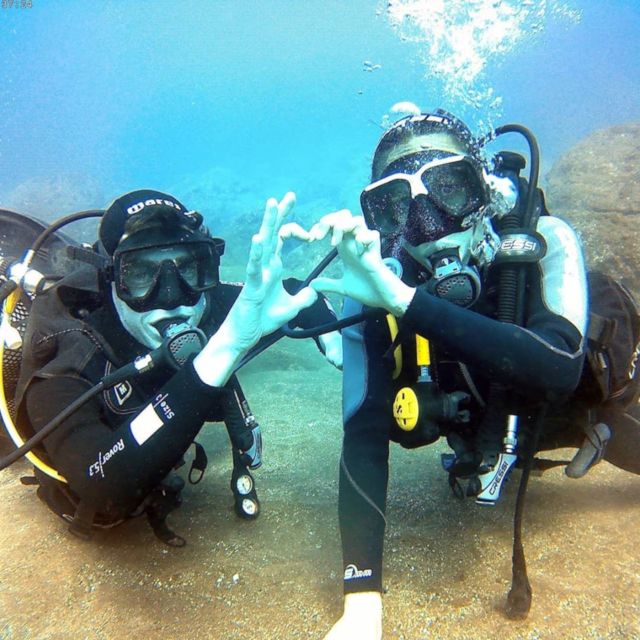
The price is $495 per person for a 3-day course. For first certification work, that can feel like a lot until you see what’s included.
You get:
- Theory lessons with a qualified instructor
- Swimming pool training sessions
- 4 sea sessions
- Complete scuba equipment
- Teaching materials
- Scuba insurance
- The worldwide Open Water certification
Food and drinks are not included, so factor that into your overall travel budget. But the big cost components are handled for you: gear rental, instruction, and the structured learning time.
Why “included equipment” is a big deal
Learning to use scuba gear is part of the training. When the correct kit is supplied and used through the course, you aren’t wasting time figuring out unfamiliar equipment quirks. It also helps safety, because the instructor can match your training setup to the drills you’re doing.
Small-group value
Limited to 4 participants, this format tends to create a more personal learning environment. You get more time to ask questions, and the instructor can respond to your pace instead of the group averaging out.
Instructor vibe: how the learning stays friendly and focused
The strongest signals from the participant feedback point to the instructor style. People appreciate that the instructor takes time for questions and delivers instruction with competence plus empathy. That combination matters, because first-time scuba can trigger anxiety fast if explanations feel rushed.
I’d treat this as a course where you should feel encouraged to ask questions. If something doesn’t click immediately, you’re expected to speak up. That’s how you get from “I’m trying” to “I understand what I’m doing.”
Also note: the course offers instruction in multiple languages, including English, French, Spanish, Portuguese, and Italian. If you’re choosing this based on language comfort, that multi-language support is genuinely useful.
What to bring and what to plan for on Madeira
You only need one clear item listed: swimwear. Since the course includes complete scuba equipment, you shouldn’t have to pack a bunch of technical gear.
Still, think practically. You’ll be doing pool practice and sea sessions, so wear clothing that dries quickly and is easy to change into. Keep it simple.
Because food and drinks are not included, plan meals around the course times. A hungry stomach doesn’t help anyone breathe calmly.
Who this course is not for (and why that protects you)
This course has clear restrictions. It’s not suitable for:
- Pregnant women
- People with mobility impairments
- People with claustrophobia
- People with heart problems
- People with respiratory issues
- People with epilepsy
- People with high blood pressure
- People with recent surgeries
- People with low level of fitness
- Non-swimmers
Also, the prerequisite is that you can swim and are medically fit for scuba.
This is not just fine print. Claustrophobia can matter because scuba gear and enclosed spaces can trigger panic. Heart and respiratory issues can matter because scuba changes workload and involves specific physical demands. If any of these apply to you, don’t “power through.” Choose safety first.
Minimum age is 12 years or older, so it can work for teens who meet the swim and medical requirements.
Booking reality check: flexibility and the pre-payment model
The course offers flexibility with free cancellation up to 24 hours in advance for a full refund, and there’s also a reserve now, pay later option to keep your plans flexible.
One important note: for scuba courses, 100% pre-payment is required. If you request the digital kit before the course starts, it’s not refundable. That means you should only request that digital kit when you’re confident you’ll do the course.
This isn’t a reason to avoid the course. It’s just the kind of clarity you want before committing.
Should you book this Open Water Diver course in Madeira?
If you want a first scuba certification that’s structured, beginner-friendly, and paced around comfort, I think this course is a solid choice. The combination of pool skill practice, four instructor-supported sea sessions, and e-learning makes it easier to learn safely and keep your travel schedule under control.
Book it if:
- You’re comfortable swimming and medically cleared for scuba
- You want a small group (up to 4) and close instructor attention
- You like the idea of learning theory in advance via e-learning
- You want a worldwide Open Water certification with a clear depth limit
Skip it if:
- Claustrophobia, respiratory, heart, seizure-related, or other health concerns apply to you
- You’re not confident in your swimming ability
- You need a course with no physical/mental challenge at all (this is skill training, not a casual tour)
FAQ
How long is the Madeira Open Water Diver first certification course?
The course duration is 3 days.
What is the price per person?
The price is $495 per person.
Is e-learning included, and how long does it take?
Yes, e-learning is included. The stated time commitment is 5–10 hours. You can study offline or online and connect with your instructor with questions.
What training is included besides sea sessions?
You’ll get theory lessons with a qualified instructor and swimming pool training sessions, plus complete scuba equipment.
What is the maximum depth you can expect during the course?
You should expect shallow training, with a maximum allowed depth of 18m/60ft.
Is food and drinks included?
No. Food and drinks are not included.