REVIEW · FUNCHAL
Old Funchal Walking Tour
Book on Viator →Operated by Madeiran Heritage · Bookable on Viator
Start with history, not a map. The Old Funchal Walking Tour is an easy way to get your bearings fast, with a small group (up to 10) moving at a comfortable pace while you hit major landmarks in the old center. I love that the route mixes big names like the Jesuits’ College and Funchal Cathedral with real local life at Mercado dos Lavradores. I also like that several entry stops are included, so you’re not constantly paying extra just to keep walking.
One thing to watch: the meeting point can be confusing if you expect the start to be right outside the church main doors, because the tour begins at a side entrance connected to the Jesuits’ College/University area.
In This Review
- Key Highlights Worth Your Time
- Walking the Old Town With a Small Group (and Where to Start)
- Jesuits’ College of Funchal: Your First 16th-Century Anchor
- Mercado dos Lavradores: Market Sights You Can Smell and See
- Zona Velha and Arte de Portas Abertas: Old Streets With Modern Art
- Praça do Colombo and Assembleia Regional Da Madeira: Government in the Mix
- Funchal Cathedral: A 16th-Century Interior Stop
- João Gonçalves Zarco Statue and the Municipal Garden Pause
- Traditional Wine Lodge and Loja Gaudeamus: The Madeira Tasting Moment
- Igreja de São João Evangelista: Baroque and Mannerist Interiors
- What You’ll Learn and Why It Works as an Introduction
- Price and Value: Under $20 for Sights and Entries
- Who Should Book This Old Funchal Walk
- Should You Book This Tour?
- FAQ
- How long is the Old Funchal Walking Tour?
- What’s included in the price?
- Is the tour ticket digital?
- What language is the tour offered in?
- Where does the tour start and end?
- Is there free cancellation?
Key Highlights Worth Your Time
- Small group size (max 10): easier pace and better chances to ask questions.
- Tickets included for multiple stops: reduces surprise costs while you tour interiors.
- Mercado dos Lavradores experience: fruit, veg, flowers, and fish in a market built with tile art.
- Arte de Portas Abertas in Zona Velha: street-art themed old-town atmosphere on your route.
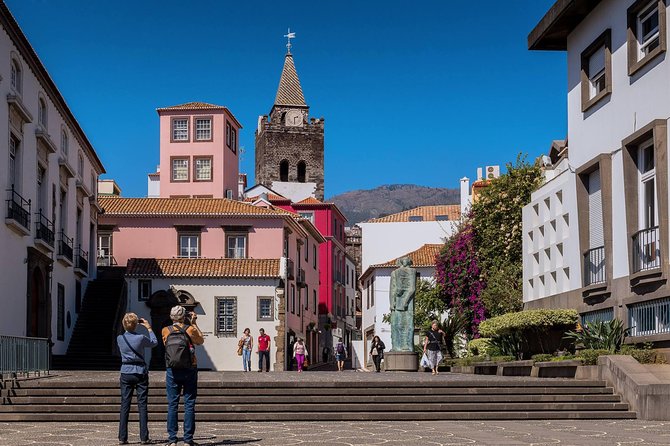
- Cathedral and Jesuit sites: 16th-century religious history without needing to plan entries yourself.
- Wine stops at the end: a taste of Madeira culture as you wrap the walk.
Walking the Old Town With a Small Group (and Where to Start)
This tour is built for orientation. It’s about 2 hours of walking in Funchal’s older core, which is ideal when you’ve just arrived and your brain is still trying to match street names to your map. The group cap is 10, and that size matters. You don’t spend your entire walk waiting for people to catch up, and your guide can keep the group together even when you stop for photos.
You’ll also appreciate that there’s no “bus-to-everything” rhythm. This is a stroll with purposeful stops, so you actually see the shapes of the streets, where plazas open up, and how the old town transitions into the church-and-government zone.
Now the practical bit: start-location confusion shows up in feedback. The meeting point is tied to the Jesuits’ College area, but it’s not the easiest assumption if you’re looking for a big sign at the church’s main entrance. The tour starts at the side/reception side associated with the attached university building. If you’re nearby and unsure, take a quick minute to check you’re at the right entrance before the group departs.
Finally, note the tour needs decent weather. Since it’s outdoors for a lot of the time, plan to wear grippy shoes and bring a light layer in case clouds roll in.
You can also read our reviews of more walking tours in Funchal

Jesuits’ College of Funchal: Your First 16th-Century Anchor
The walk begins at Colégio dos Jesuítas do Funchal, tied to Portugal’s 16th-century history. This stop works well as an opener because it gives you a timeline you can carry through the rest of the route. Once you understand why the Jesuits were influential here, the later church interiors and the cathedral’s role start to click instead of feeling like random buildings you pass.
The visit includes an admission ticket, so you’re not just standing outside for a quick photo. You’ll get enough time to orient yourself and get a feel for the architecture and the story behind it before the walk gets more street-and-market focused.
One small drawback: the tour is timed tightly. You won’t get an all-day museum experience. If you’re the type who likes to linger for art details, treat this stop as your “setup” and then plan a longer return on another day.
Mercado dos Lavradores: Market Sights You Can Smell and See
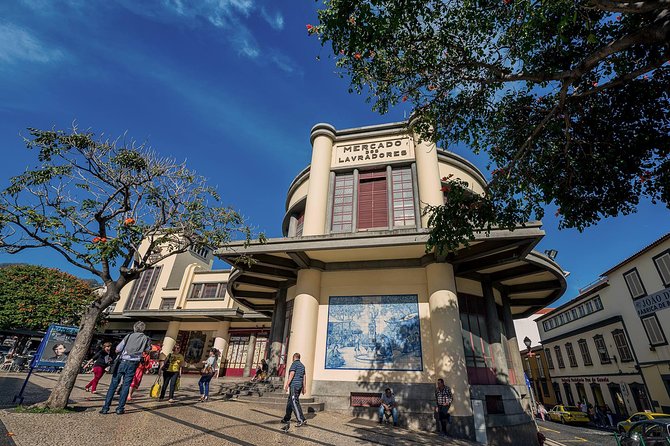
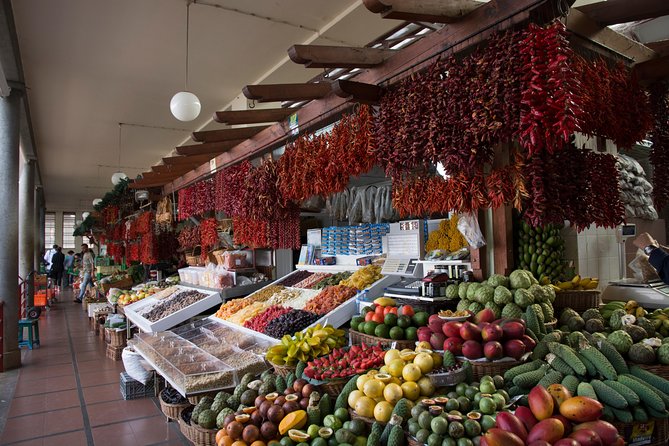
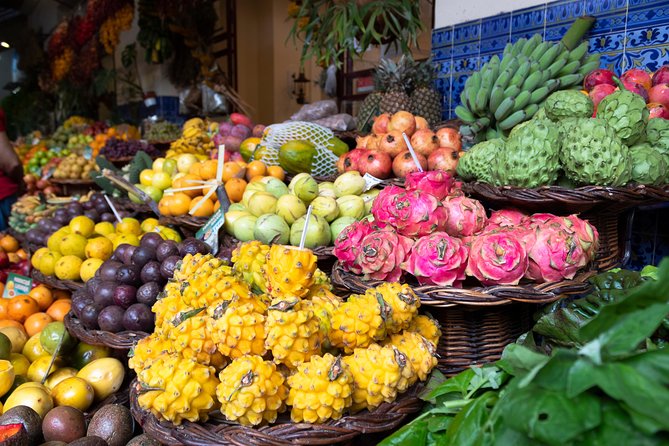
From history to everyday Madeira. At Mercado dos Lavradores, the tour turns practical and sensory: fruit, vegetables, flowers, and fish all under one roof. It’s the kind of place where you learn more about local life in 10–15 minutes than you do from a dozen photos.
This market building opened on 24 November 1940 and was designed by Edmundo Tavares. Look for the tile panels on the facade and inside areas, connected to regional themes and created by João Rodrigues. The market layout also matters: it’s divided into smaller plazas and stairways that act as sales venues, which is why it feels lived-in rather than like one long corridor.
In the route, this is your break from “sit and listen” mode. You can point, look, and ask questions. Many guides keep the tone friendly and lively here, and that’s where the group energy tends to pick up.
The potential downside is simple: markets can be busy, and some days can be damp or cool inside. Wear comfortable shoes and keep your bag closed. This is a working market, not a staged attraction.
Zona Velha and Arte de Portas Abertas: Old Streets With Modern Art
Next you’ll move into Zona Velha, where street-art culture meets old-town lanes. The project called Arte de Portas Abertas is part of what makes this section special. Instead of a generic “walk through pretty streets,” you’re seeing how artists are reshaping doorways and small corners as part of a city-wide art approach.
This stop is listed as free time, and that’s a good thing. You can linger longer if you’re into photos, or just soak up the atmosphere and keep moving. Either way, it changes the feel of the tour. After churches and government buildings, this is where the old center feels like it’s still used and still changing.
A consideration: because it’s street art, it can vary by season and by what’s newly displayed. That’s not a problem if you like art-as-a-process. If you expect every mural to feel permanent and identical, manage your expectations.
Praça do Colombo and Assembleia Regional Da Madeira: Government in the Mix
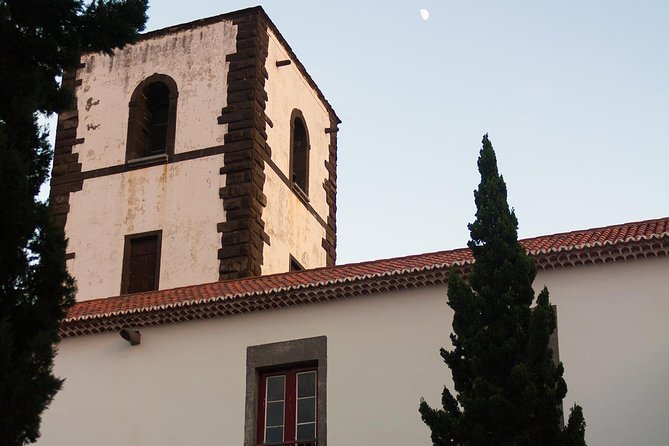
This part of the walk connects old Funchal to modern governance. You’ll pass the Assembleia Regional da Madeira at Praça do Colombo. It’s short—about a few minutes—but it’s worth it because it tells you how the old city core isn’t only churches and markets. It’s also administrative life.
Why this matters on a walking tour: it helps you understand the city’s “center of gravity.” When you see where official buildings sit near historic ones, you start to see why Funchal’s old town works as a hub for both locals and visitors.
This stop includes an admission ticket, which suggests you’ll get access beyond a quick exterior glance. Still, it’s not long. So if you want deeper reading on Madeira’s politics or regional history, plan to pick that up later with a museum stop or an evening discussion.





Funchal Cathedral: A 16th-Century Interior Stop
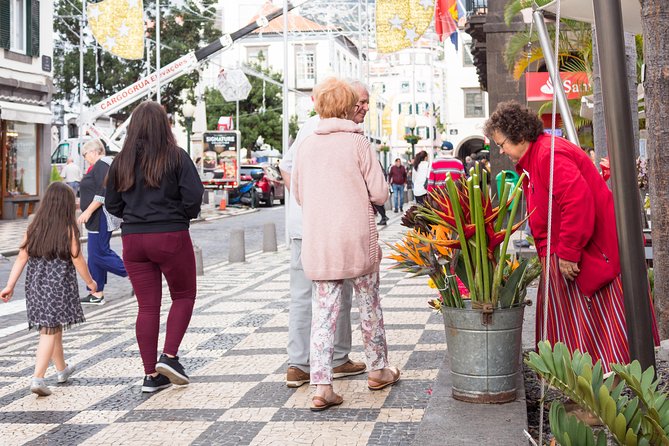
Then comes Funchal Cathedral, with origins in the 16th century. The cathedral is described as having served as the seat of the largest diocese in the world, which gives the building extra weight beyond its appearance. You’ll have time for an entry-included visit, so you’re getting more than a street-side look.
This is one of those stops that works best when your guide gives context. The cathedral becomes easier to understand once you link it back to the Jesuits’ presence earlier on the route. Religion wasn’t a separate chapter; it shaped how communities formed, how education developed, and how people gathered.
Possible drawback: if you’re not into church interiors, this could feel slower than the market section. But even if you’re not a “cathedral person,” the cathedral is still a strong way to make sense of Funchal’s historical priorities.
João Gonçalves Zarco Statue and the Municipal Garden Pause
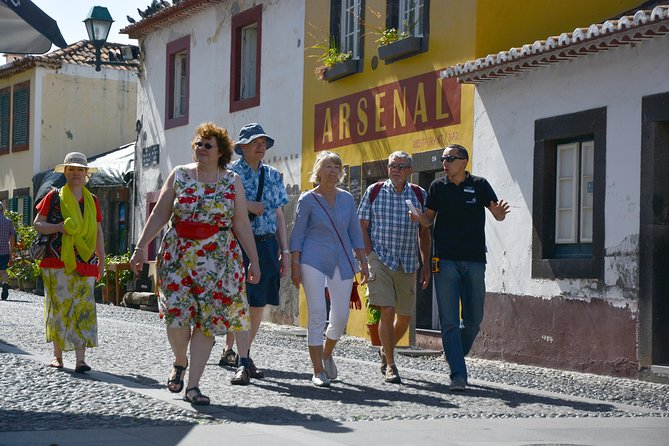
Between big indoor sites, the tour adds a short outdoor anchor: the Estátua João Gonçalves Zarco. He’s one of the navigators tied to the rediscovery of the island, so the statue gives you a “Madeira origins” bridge. It’s brief, but it’s a useful mental marker: this island didn’t only develop from local growth—there were key arrival narratives too.
After that, you’ll reach Jardim Municipal do Funchal, the municipal garden. This is a good pacing move. The garden stop is short, but it gives your legs a moment and lets your mind reset between stops. Reviews often describe the walking pace as comfortable, and this kind of pause is part of why.
In other words, the outdoor segments aren’t filler. They keep the day from becoming a nonstop stream of doors and stairs.
Traditional Wine Lodge and Loja Gaudeamus: The Madeira Tasting Moment
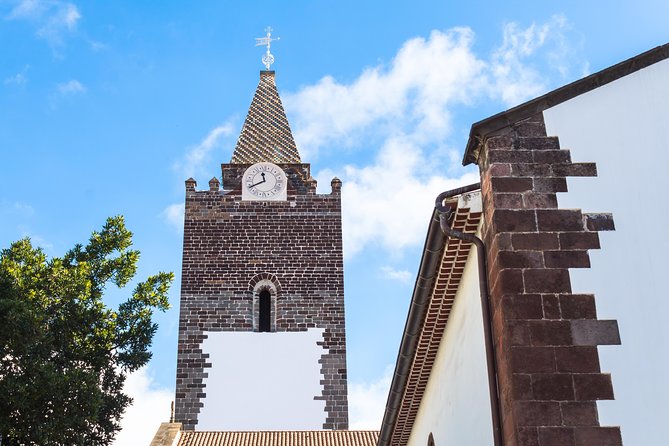
Food and drink help memories stick. Mid-to-late in the route, you’ll stop at a traditional Wine Lodge area and then later return to the Jesuits’ College area for a wine tasting at Loja Gaudeamus.
The exact structure matters: the itinerary places a wine-lodge stop before continuing to the church, then brings you back again for the tasting. That means the day keeps a cultural thread running even as you shift between gardens, churches, and squares.
What you get from this isn’t just a sip. It’s a sense of how wine is woven into Madeira’s identity, including how visitors are guided into tasting as part of the story. If you’re the type who wants to know what to buy and where to go afterward, this is often where a good guide’s practical tips show up—especially if they also suggest other spots beyond the tour.
Downside? If you’re sensitive to alcohol or want to keep things entirely non-alcoholic, you’ll want to check the tasting approach with the operator ahead of time. The tour data confirms wine tasting is included, but it doesn’t spell out options or quantities.
Igreja de São João Evangelista: Baroque and Mannerist Interiors
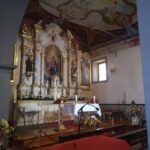
One of the main “wow” stops is Igreja de São João Evangelista do Colégio do Funchal, the college church. This is where the tour turns into an interior art highlight, with mentions of Madeira’s finest baroque and mannerist art pieces.
This stop includes admission, which is important. It means you’re meant to see the inside seriously, not just step into a doorway and move on. For history and architecture lovers, it’s a strong counterweight to the market and street-art sections.
If you’re short on time in Madeira and want your old town tour to include at least one genuinely impressive interior, this is the one to prioritize in your attention.
What You’ll Learn and Why It Works as an Introduction
This tour is designed to build a mental map. You start with Jesuit roots, move into the market economy, see how art is placed onto doors and old streets, then move into the civic and religious institutions that helped shape the city. You finish with a taste of Madeira wine culture and an atmosphere that feels local, not packaged.
It also helps that the tour is commonly praised for how the guide handles the group dynamic. Names like Sarah, Elena, Dulce, Pedro, and others show up often in strong feedback, with comments pointing to clear English and a friendly, story-based approach. More importantly, the pacing gets called out: people describe it as easy and relaxed, even with some hill sections.
So if your goal is an efficient first pass through Funchal’s historic core, this tour is a smart choice.
Price and Value: Under $20 for Sights and Entries
At $19.83 per person for about two hours, the value is the mix: you’re paying for an English-speaking driver/guide and escort/host, plus multiple included admissions. That matters because many city tours either cheap out on entrances or charge you extra once you get going.
Even without knowing every internal detail of each stop, the itinerary clearly includes admission tickets for several landmarks (Jesuits’ College, Assembleia Regional Da Madeira, Funchal Cathedral, Zarco statue, Jardim Municipal visit, and the church plus the wine lodge/tasting portion). In practice, that’s what keeps the total experience from turning into a “you thought it was included, but it wasn’t” situation.
The only meaningful catch is transportation. The tour does not include getting to and from attractions. But because it’s a walking route that starts and ends at the same place, you only need to be positioned at the start point.
Who Should Book This Old Funchal Walk
Book it if:
- You’re arriving in Funchal and want a guided first orientation to Old Town.
- You want history with real-world texture: a market stop plus churches plus art streets.
- You like small groups and don’t want to feel lost in a big crowd.
- You’re happy to include a short wine tasting in the middle/end.
Consider skipping or swapping if:
- You want a slow, museum-style experience with lots of time inside each building.
- You’d rather do a pure food crawl only, since churches are a major part of the pacing.
- You might struggle with walking in hilly areas, even though the tour is described as manageable and not hard.
Should You Book This Tour?
I think this is a strong early-stay choice in Funchal—especially if you’re spending only a couple of days on the island. The price is reasonable for what you get: a guided walk through key old-town landmarks, several included entry stops, and a wine moment at the end. The small group size also makes it feel more personal than the average “grab a headset and go.”
My booking tip: double-check you’re using the correct start entrance tied to the Jesuits’ College/University side, not just the first church doors you see. If you do that, you’ll spend less time fretting and more time learning what to do next around Madeira.
FAQ
How long is the Old Funchal Walking Tour?
It runs about 2 hours, with the itinerary paced through multiple short stops.
What’s included in the price?
The tour includes a driver/guide and tour escort/host, plus admission tickets for several stops. A wine tasting is also part of the experience.
Is the tour ticket digital?
Yes. You’ll have a mobile ticket.
What language is the tour offered in?
The tour is offered in English.
Where does the tour start and end?
It starts at Jesuits’ College of Funchal (R. dos Ferreiros Estrada, São Martinho, 9000-082 Funchal, Portugal) and ends back at the meeting point.
Is there free cancellation?
Yes. You can cancel up to 24 hours in advance for a full refund. The experience also depends on good weather, and if it’s canceled due to poor weather you’ll be offered a different date or a full refund.