REVIEW · MADEIRA
Funchal: RIB Whale Watching Cruise and Optional Dolphin Swim
Book on GetYourGuide →Operated by Madeira Divepoint - Xpoint Madeira · Bookable on GetYourGuide
Wildlife hunting on a fast RIB sounds good. This Funchal cruise is built for close viewing on a small boat, with a very high yearly average of sightings of at least one cetacean species. I also like how the crew pairs ocean-time with real spotting, so you’re not just driving in circles.
The best part, for me, is the option to add a brief Swim with Dolphins moment. If the animals are behaving in a way that meets local protection rules, you can enter the water for about 1–2 minutes using a mask and snorkel provided, and only for specific dolphin types.
One thing to think about: the ride is on a speed-boat style RIB, so you can feel the motion and the return can be bumpy. Bring a windbreaker or warmer jacket so you stay comfortable when the sea kicks up.
In This Review
- Key things that make this cruise worth your time
- A 2.5-hour RIB cruise that feels like Madeira’s ocean in motion
- Safety briefing and gear: what happens before you hit open water
- How dolphins and whales get found off Funchal
- The dolphin swim add-on: a short snorkel, only when rules allow
- Cabo Girão photo stop: the land-view payoff
- What I’d pack for a smooth day at sea
- Price and value: why $61 can be a smart buy
- Who should book this, and who should think twice
- The practical logistics you’ll want to know upfront
- Should you book the RIB whale watching cruise and dolphin swim option?
- FAQ
- What’s the duration of the tour?
- How much does it cost?
- Is the dolphin swim included in the base price?
- What animals can you see on this cruise?
- How often do you see cetaceans?
- What happens if there are no dolphin or whale sightings?
- Which dolphins are allowed for swimming?
- How long do you swim with the dolphins?
- What should I bring?
- Who runs the tour and what languages are offered?
Key things that make this cruise worth your time
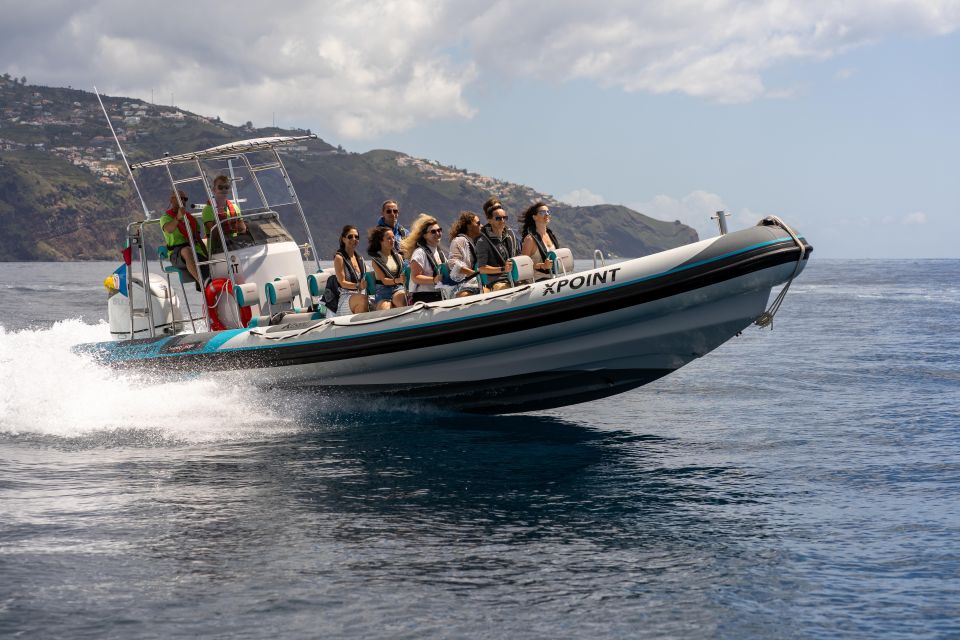
- Small-group RIB gives you a more intimate wildlife experience than big boats
- High sighting success rate for at least one cetacean species (99% yearly average)
- Spotters help the crew reach the right areas faster
- Three-part promise: cruise time, wildlife searching, and a planned return after at least 2 hours at sea
- Swim with Dolphins rules are strict (only when permitted, and only with certain species)
- You get a backup option: no cetacean sightings can trigger a free return trip within a year (availability rules apply)
A 2.5-hour RIB cruise that feels like Madeira’s ocean in motion
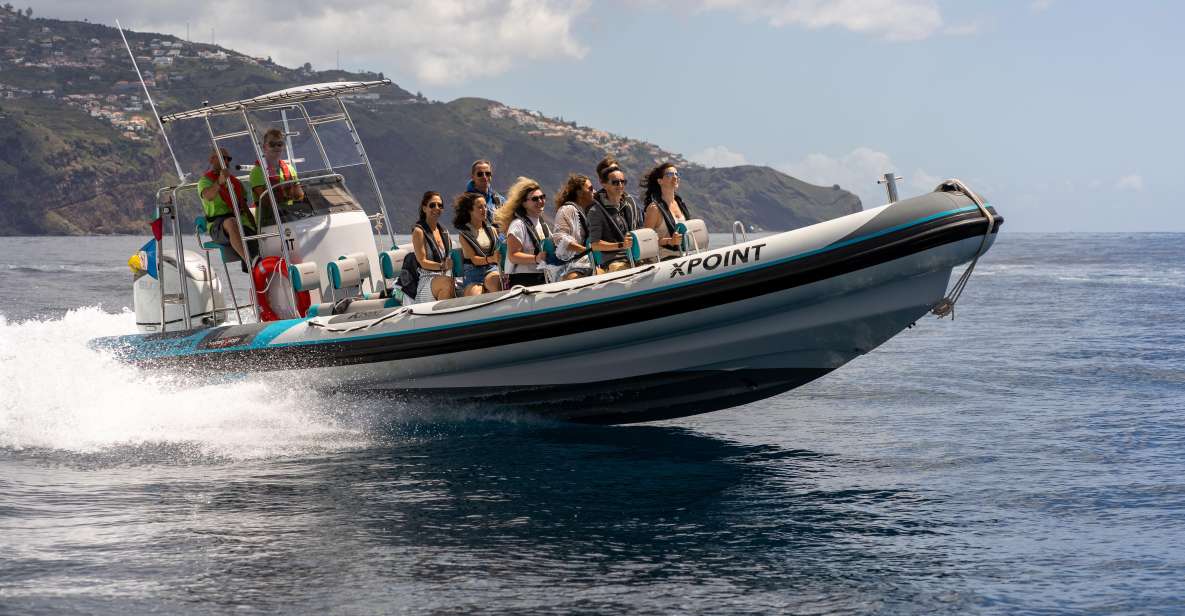
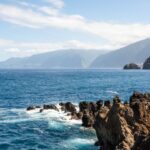
This is the kind of Madeira outing that fits travelers who want action without turning it into a theme park. You start in Funchal, then head out from the harbor onto open water along the island’s coast. Because it’s a RIB, the boat has that quick, responsive feel, and you’ll generally notice the pacing shift as the crew searches different areas for wildlife.
The vibe is practical: safety first, then racing out to where the sea action is. Expect a mix of calm moments when wildlife is near the boat and quick bursts of speed as the skipper repositions. Even if you don’t get a dolphin swim, the cruise itself is designed to put you close to where cetaceans surface, breathe, and move through the water.
And yes, the odds are a real selling point here. The company states a yearly average of 99% of trips with successful sightings of at least one cetacean species. That doesn’t mean every trip is identical, but it does mean you’re not relying on hope alone.
You can also read our reviews of more boat tours in Madeira
Safety briefing and gear: what happens before you hit open water
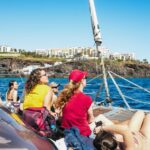
Before the engines really get going, you’ll do the basics properly. You board the boat, get a briefing, and put on the required lifejacket. It’s not a long lecture, just the essentials you’d want before you’re out on a fast-moving RIB.
Your included package is simple and useful:
- Boat trip
- Safety equipment
- Applicable fees, taxes, and fuel surcharges
Then you’re out. The crew keeps the focus on viewing wildlife responsibly, which matters because these animals aren’t props. The experience is built around getting close enough for great viewing while still respecting animal welfare rules.
How dolphins and whales get found off Funchal
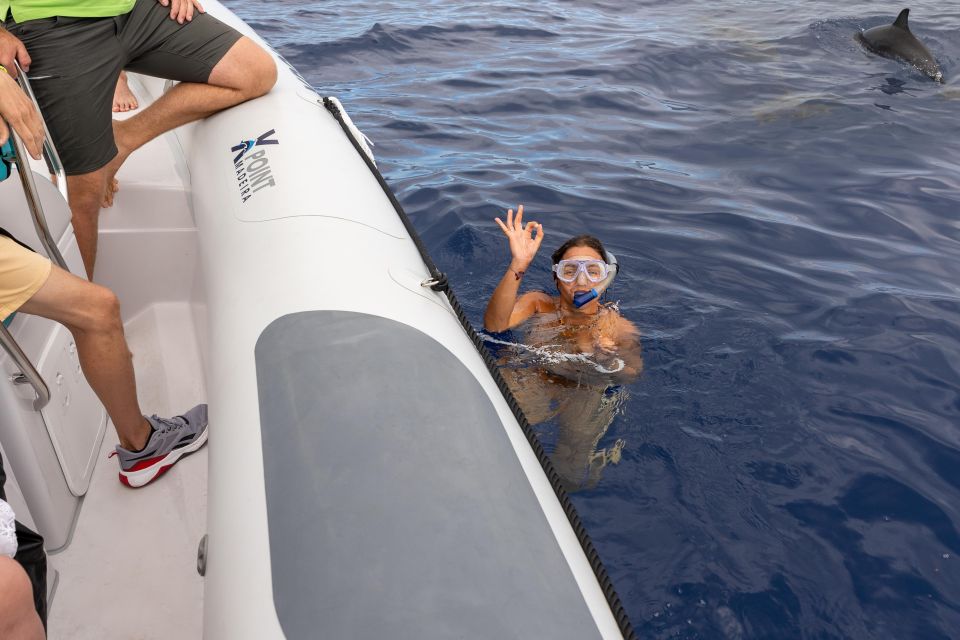
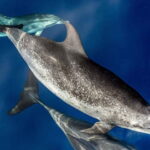
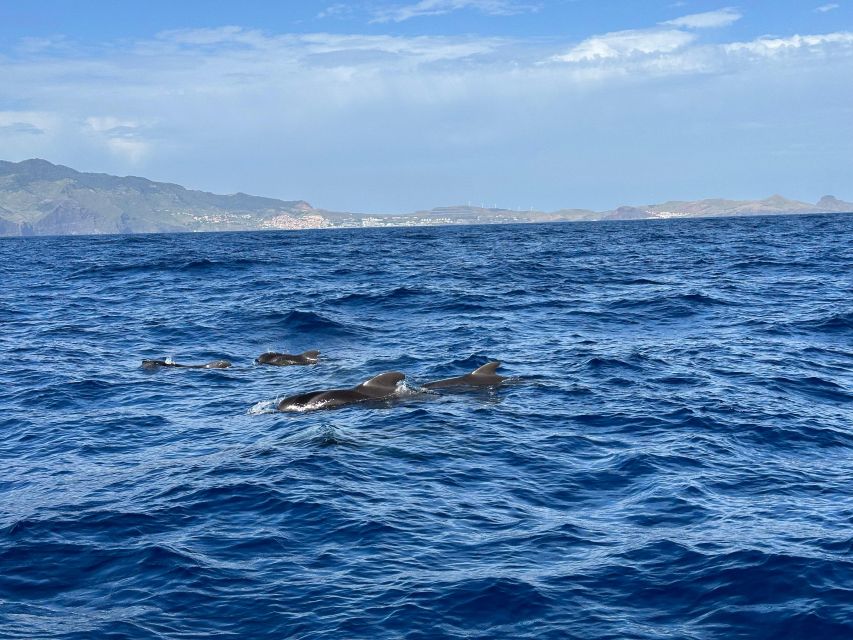
Here’s where the cruise earns its keep: this isn’t random wandering. The crew hunts for wild dolphins, whales, and sometimes turtles from the open ocean, constantly scanning and repositioning based on sightings and local spotting support. The company notes they work with spotters on land, which helps them pinpoint locations faster.
From a passenger perspective, that spotter support can mean a lot:
- You spend more time where wildlife is actually likely to appear.
- You get a better shot at seeing different species on the same outing.
- When animals do show up, the boat is already in the right place for viewing rather than arriving late.
What species are you likely to see? The information you’re given is broad but specific enough to plan around:
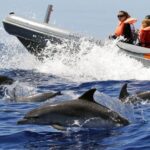
- Common Dolphins
- Atlantic Spotted Dolphins
- Whale sightings (including species named in guide descriptions from real trips such as Pilot Whales and Sperm Whales)
- Sometimes turtles
Real-world trip notes also point to sightings happening in multiple search areas during the cruise. So if you’re hoping for more than one type of animal, you’ll want to treat the outing like a moving safari rather than one fixed stop.
And timing-wise: the cruise is out on the water for at least 2 hours, with an average trip time around 2.5 hours total.
The dolphin swim add-on: a short snorkel, only when rules allow
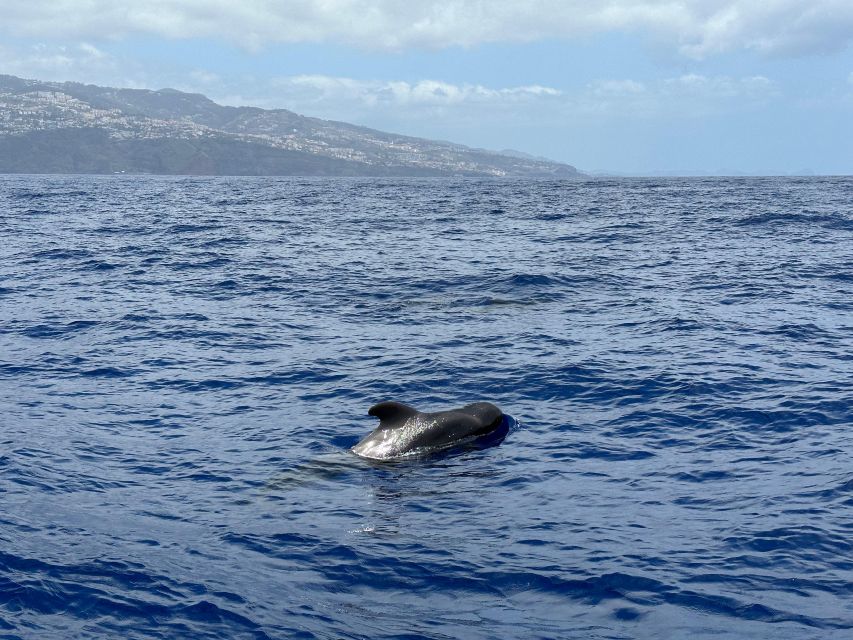
If you’re curious about getting in the water, the Swim with Dolphins option is the headline. But it works differently than many people imagine.
First, this is an add-on. The 20€ price is only charged on-site if it’s possible to enter the water with the dolphins. If the animals don’t meet the conditions under local animal protection law, you won’t pay that extra swim fee, and you’ll stick to the standard cruise.
Second, there are strict species and behavior rules:
- You can enter the water only if the dolphins are the Common Dolphins or the Atlantic Spotted Dolphins.
- The crew follows local animal protection law, including how the dolphins behave at the time.
What you actually do in the water:
- You’ll have a mask and snorkel available.
- The time in the water is usually about 1–2 minutes per participant.
- The setup involves attaching to the boat (so it’s more controlled than free swimming).
From a comfort-and-expectations standpoint, this is not a long swim party. It’s a brief, regulated chance to experience the animals close up. If you go in expecting something lengthy, you might feel let down. If you go in expecting a fast, respectful moment in real ocean conditions, it’s a strong option.
Cabo Girão photo stop: the land-view payoff
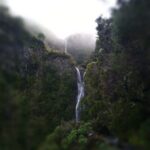
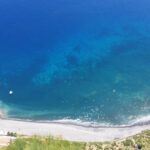
After the time offshore, the plan includes a scenic land moment: a stop at Cabo Girão Cliff. You’ll get a photo stop plus sightseeing and a scenic drive.
This stop is valuable because it balances the ocean action with a quick visual reset. When you’re back on land, you get a strong sense of how steep and dramatic Madeira can be, which makes the morning and afternoon feel connected instead of split into separate worlds.
One realistic consideration: you’re doing this around the time you’ve already spent a couple hours on a RIB. So wear layers you can adjust, and keep your phone ready for quick shots rather than expecting a long wandering break.
You can also read our reviews of more whale watching tours in Madeira

What I’d pack for a smooth day at sea
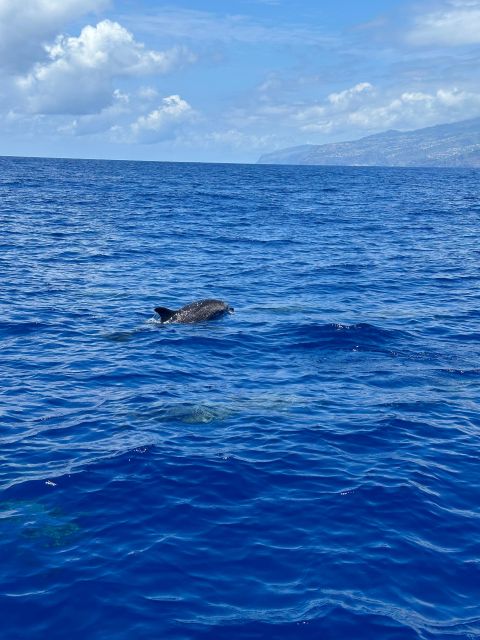
Even when the forecast is fine, conditions can change once you’re farther out. The wind can pick up fast, and that’s why the list of what to bring matters here.
Bring:
- Windbreaker
- Sunglasses
- Sun hat
- Sunscreen
- A jacket (especially if you’re going in cooler months)
Also, if you’re someone who easily gets chilly in breezy conditions, consider a warmer waterproof layer. The boat ride can be quick and breezy, and you’ll be happier if you dress for wind rather than for sun.
Price and value: why $61 can be a smart buy
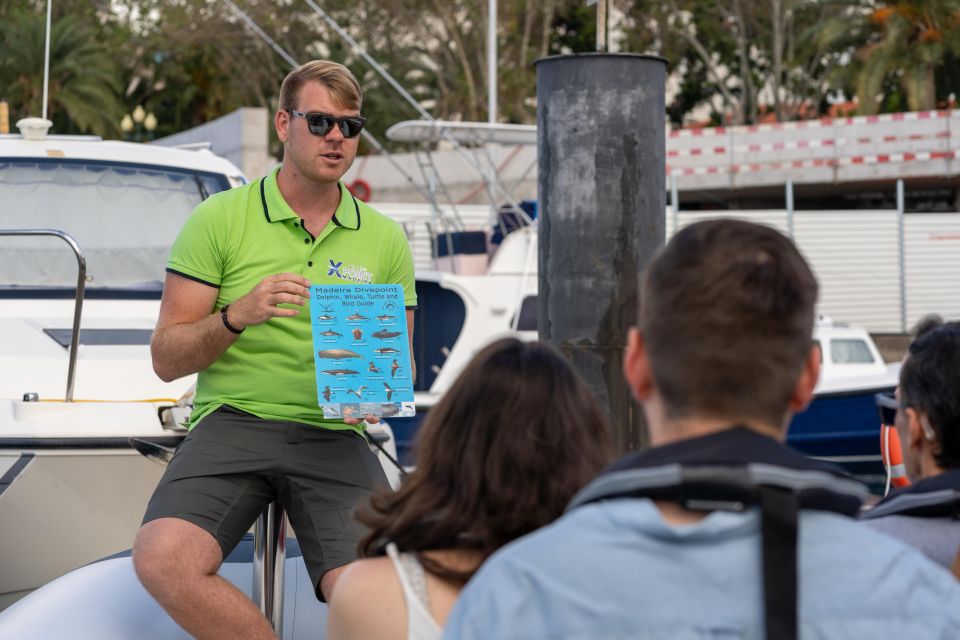
At $61 per person for a 2.5-hour RIB cruise, the pricing isn’t just about entertainment. You’re paying for a setup that includes:
- The boat trip
- Safety equipment
- Fees/taxes/fuel surcharges
That matters because a lot of wildlife experiences later nickel-and-dime you with extras. Here, the core experience is already built in.
Then there’s the dolphin swim add-on:
- It’s 20€, but only charged if the crew can legally enter the water with the dolphins.
- If not, you still get the standard cruise experience.
One more value lever is the “no cetacean sightings” backup. If the trip ends without sighting any cetacean species, you’re invited to join another trip free of charge within 1 year, subject to availability and non-transferable rules. That’s a real safety net in a category where wildlife can be unpredictable.
In short: you’re paying for time on a small boat in good conditions, plus a reasonable plan for uncertainty.
Who should book this, and who should think twice
This is a great fit if you:
- Want close wildlife viewing from a small-group RIB
- Like speed and energy in your tours rather than slow sightseeing
- Are comfortable with a brief, rules-based ocean swim option
- Care about how animals are treated (the experience is described as ecologically aware and welfare-focused)
It may be less ideal if you:
- Hate bumpy rides or get uncomfortable on fast boats
- Want a long snorkeling session (the water time is short)
- Need a lot of guaranteed certainty beyond the provided sighting success rate
For families: the cruise can work well because you’re out for a defined window (about 2.5 hours) and the small-group feel helps everyone stay involved. Just plan for sea wind and motion like a grown-up, not like it’s a flat lake.
The practical logistics you’ll want to know upfront
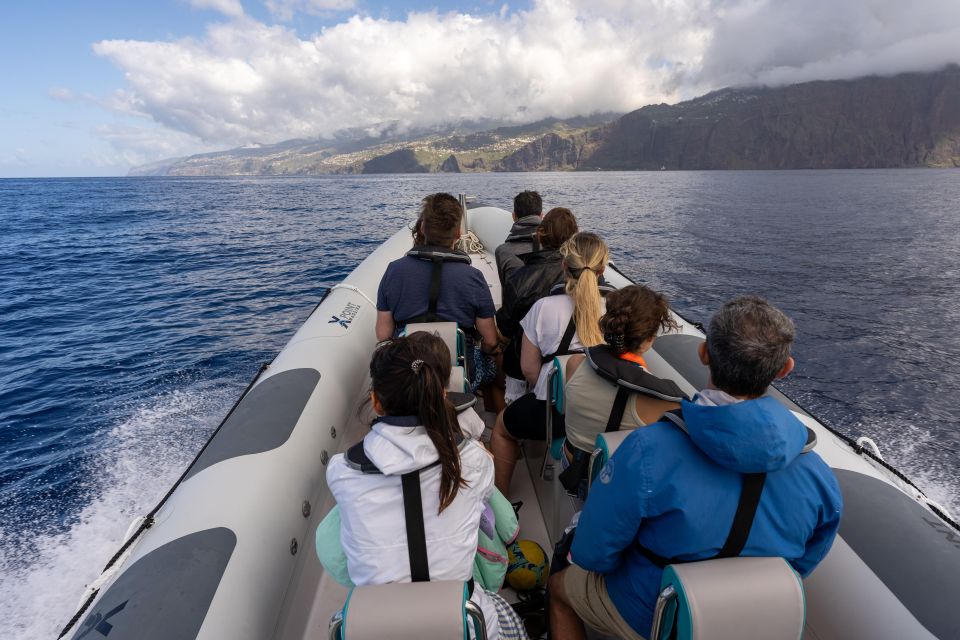
Meeting point can vary depending on the option you book. You’ll see a pin on the map, and it’s best to treat it like instructions rather than a casual suggestion.
Also, bring the wind layers even if you think you won’t need them. On RIBs, wind chill is real, and you’ll be happier if you’re prepared.
Finally, drinks and snacks are not included. If you’re sensitive to hunger or want something familiar to sip, plan ahead before you board.
Should you book the RIB whale watching cruise and dolphin swim option?
If you’re choosing between “a boat ride” and “a wildlife-focused outing,” I’d lean strongly toward this one. The small-group RIB format, the stated 99% yearly average for cetacean sightings, and the option for a legal short dolphin snorkel add-on make it a solid value play for Madeira.
My advice: book it if you’re excited by the idea of seeing dolphins and whales from close range and you’re willing to dress for wind. If you’re very motion-sensitive, consider your comfort level with fast, bouncy water before you commit. Otherwise, this is exactly the kind of trip that makes Madeira’s ocean feel personal, not distant.
FAQ
What’s the duration of the tour?
The experience lasts about 2.5 hours.
How much does it cost?
The price is listed as $61 per person. The Swim with Dolphins option is an additional 20€ add-on.
Is the dolphin swim included in the base price?
No. Swim with Dolphins needs to be booked as an add-on. The 20€ is only charged on-site if it’s possible to enter the water with the dolphins.
What animals can you see on this cruise?
The tour information says there is a high chance of finding wild dolphins, whales, and sometimes turtles.
How often do you see cetaceans?
The provided info states a yearly average of 99% of trips with successful sightings of at least one cetacean species.
What happens if there are no dolphin or whale sightings?
If there’s no sighting of any cetacean species during your trip, you’ll be invited to join another trip free of charge within 1 year time, subject to availability and non-transferable rules.
Which dolphins are allowed for swimming?
You can only enter the water if the dolphins are Common Dolphins or Atlantic Spotted Dolphins.
How long do you swim with the dolphins?
When swimming is permitted, the time in the water is typically around 1–2 minutes per participant.
What should I bring?
You should bring a windbreaker, sunglasses, a sun hat, sunscreen, and a jacket. Sea wind can make conditions cooler and windier.
Who runs the tour and what languages are offered?
A live tour guide is included, with English and Portuguese offered. Private group options are also available.