REVIEW · MADEIRA
Funchal: Madeira Island Group Surf Lesson
Book on GetYourGuide →Operated by MadSea - Bodyboard & More · Bookable on GetYourGuide
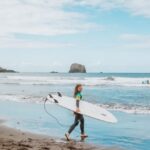
Surfing Madeira changes how you see the island. This 4-hour surf lesson takes place in the Atlantic off Madeira and has you learning (or leveling up) at spots like Porto da Cruz and Machico with an expert instructor.
The two best parts for me are the way you get a structured start on land, then move right into the water, and the coaching focus on real technique you can actually use. Instructors such as João (Johnny) and Kaja/Kaia-style guidance show up in many sessions, with patient, hands-on feedback aimed at safety first and progress second.
One key consideration: timing and spot choice depend on tides, sea conditions, and weather, and if your group combines with another it can get larger than ideal for two instructors. That can mean slightly less one-on-one time than you’d hope, even though the teaching still aims to help everyone catch waves.
In This Review
- Key Things I’d Pencil In
- Why Madeira Surf Lessons Feel Doable From Funchal
- Price and Value: What $100 Really Buys You
- How the 4 Hours Actually Play Out (Beach to First Wave)
- 1) Pickup and the trip to the surf area
- 2) Warm-up and technical demo on the beach
- 3) Into the water: wetsuit, paddle, and catching waves
- 4) Practice loop until you’re actually surfing
- Choosing the Spot: Praia do Seixal, Machico, and Porto da Cruz
- Praia do Seixal
- Praia de Machico
- Porto da Cruz
- Instructor Coaching That Speeds Up Progress (Without Rushing You)
- What to Bring for a Comfortable Wetsuit Session
- Who Should Book This Surf Lesson (And Who Might Want Alternatives)
- Should You Book the Funchal Madeira Island Surf Lesson?
- FAQ
- How long is the Madeira surf lesson?
- Where will I surf during the lesson?
- What’s included in the price?
- Do I need to bring food or drinks?
- What should I bring with me?
- Will the lesson always run at the same time?
Key Things I’d Pencil In
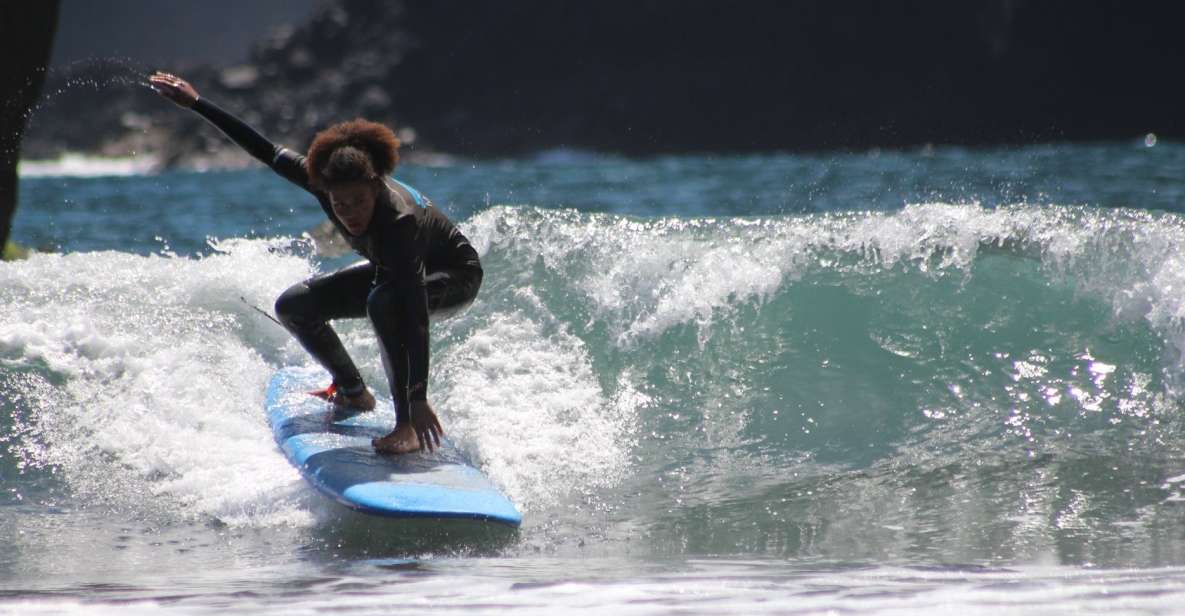
- Beach warm-up plus technical demo before you paddle out, so you’re not guessing when it’s time to surf
- Madeira’s beginner-friendly areas are part of the plan, including Praia do Seixal, Praia de Machico, and Porto da Cruz
- Instructor-led progression with safety checks and feedback so first-timers can stand up faster
- Transport and surf kit included, which makes this a smooth activity from Funchal
- Cold-water reality in the Atlantic: you’ll wear a wetsuit, and instructors do long sessions too
- Lesson time is tide-driven, so you might do it in the morning or afternoon depending on conditions
Why Madeira Surf Lessons Feel Doable From Funchal
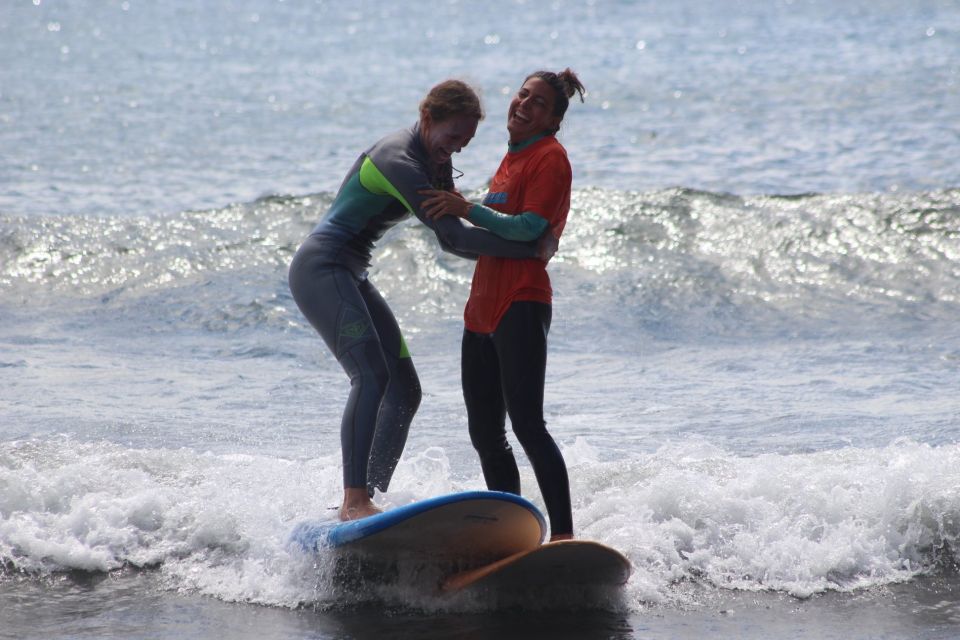
If you’re picturing surf lessons as either chaos or extreme athletic trials, this one is built to feel manageable. You’re in the Atlantic, off Madeira, but the lesson is designed around beginner and intermediate wave access near well-known local surf areas. The key is that your instructor doesn’t treat every shoreline spot as the same. They choose what fits the water conditions and your level, so you’re less likely to spend your whole session stuck watching other people ride.
I also like that this experience sells you on Madeira from the sea without pretending everyone will become a pro by lunchtime. You’re there to learn how waves work for you—paddle timing, board control, and the moment you shift from balance training to actually catching a wave.
And that’s the practical magic of the 4-hour format: it’s long enough to build confidence, short enough that you don’t feel trapped if you’re having an off moment.
You can also read our reviews of more tours and experiences in Madeira
Price and Value: What $100 Really Buys You
At about $100 per person for a 4-hour lesson, the value comes from what’s included. You’re not just paying for instruction—you’re paying for the whole package that removes friction.
You get:
- transportation to the beach
- surfing equipment (including wetsuit and surfboard)
- insurance
- an instructor
That matters because in Madeira, it’s rarely a simple matter of walking to the beach, borrowing gear, and calling it a day. This setup saves your energy for the real goal: learning waves. Even if you’re staying in or around Funchal, transport plus equipment means less time logistics-hunting and more time actually practicing.
Food and drinks aren’t included, so you should plan for snacks and water. If you show up hungry or under-hydrated, it can affect your stamina in cool Atlantic water. With a session like this, comfort isn’t a luxury. It’s what helps you stay focused through the warm-up, the demo, and the repeats in the water.
How the 4 Hours Actually Play Out (Beach to First Wave)
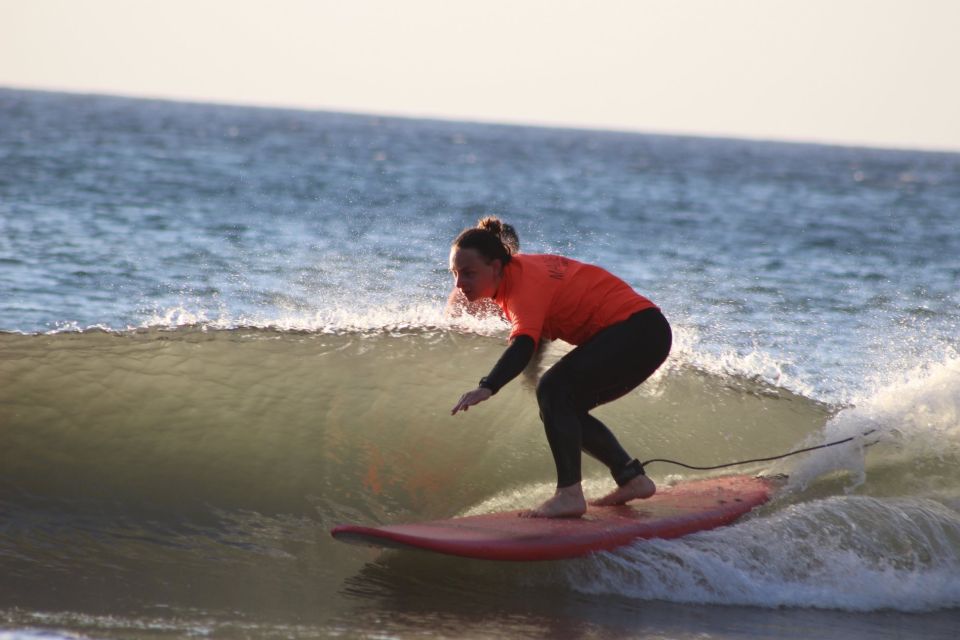
You’re looking at a lesson that follows a familiar rhythm, but with Madeira-specific decisions based on tides and weather.
1) Pickup and the trip to the surf area
The lesson begins with transportation included. The exact pickup time isn’t fixed on your own calendar because class times depend on conditions. Your surf instructor will contact you to arrange the pickup time, and that flexibility is part of why the session can work even when the ocean changes its mind.
2) Warm-up and technical demo on the beach
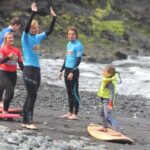
Before you paddle out, you start with a warm-up and a technical demonstration on shore. This is where first-timers benefit most. You learn the basics in a controlled environment: how to handle the board, how to position yourself, and how to understand the wave cues rather than just reacting to them.
This step also keeps the water time more efficient. If you’ve ever done an activity where everyone jumps in with zero prep, you know how much energy disappears. Here, the land training helps you waste less time and catch more usable moments.



3) Into the water: wetsuit, paddle, and catching waves
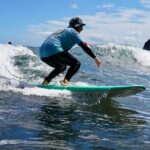
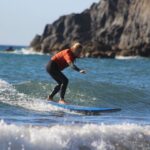
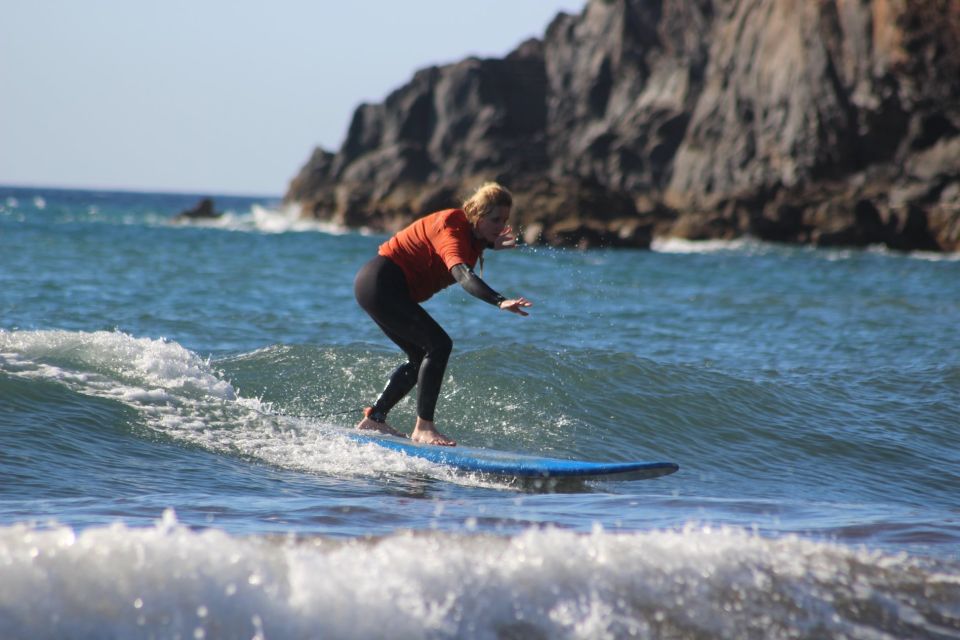
Once you hit the water, you’ll feel the cool Atlantic under the board setup. The adrenaline often comes quickly when you catch your first wave, but the real win is learning how to reproduce that feeling. The instructors are there to guide you through technique during the session, not just before it.
From the teaching style shown in multiple sessions, the coaching tends to be:
- patient when you’re nervous
- clear when you’re stuck
- hands-on enough that you don’t feel left alone after a mistake
Cold water can also be mentally surprising, even if you’re ready for it. Many instructors have to stay in the water for extended periods, so you’ll see why correct timing and safe handling matter.
4) Practice loop until you’re actually surfing
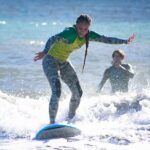
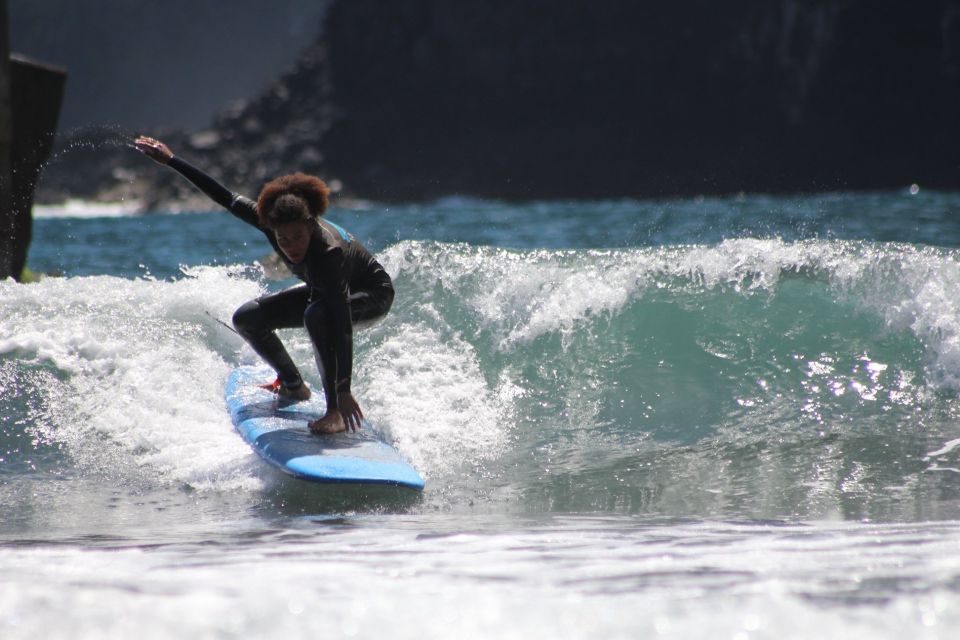
The goal by the end isn’t just standing once. It’s getting to the point where standing feels possible and repeatable. In multiple lessons, beginners progress rapidly—enough that even kids can stand confidently after just a few hours, and adults often start catching waves independently by the final stretch.
Choosing the Spot: Praia do Seixal, Machico, and Porto da Cruz
One of the smartest parts of this experience is that it doesn’t lock you into one beach like a rigid factory line. You’re meant to surf at the best locations for beginners based on what the ocean is doing that day.
Here are the areas named for lessons, and what to think about for each.
Praia do Seixal
Praia do Seixal is one of the beginner surf areas included in the plan. Since you’re told that instruction targets beginner-friendly spots across Madeira, Seixal typically fits the idea of manageable conditions and learning potential rather than hardcore waves.
What to expect: more time building technique and less time getting hammered. The practical benefit is confidence. When your lesson feels safer and more repeatable, your learning accelerates.
Praia de Machico
Praia de Machico is another spot where the setup often favors learners. One clear clue from the experience notes is that Machico can offer small, beginner-friendly waves, which is exactly what you want when you’re trying to learn how to time the wave rather than survive it.
What to watch: even with smaller waves, you’ll still be working on the fundamentals—paddling, stance, and board control. If you’re new, Machico is often a good choice because the water gives you more chances to try again.
Porto da Cruz
Porto da Cruz shows up as a highlight surf area, often associated with very pretty coastal scenery. More importantly, it’s known as a place where instructors can get groups moving quickly and practicing real riding rather than only doing theory.
What to expect: you’ll likely spend enough time in the water to feel that you’re learning “real surfing,” not just bobbing around. The best part is that this is where you get both the waves and the Madeira-from-the-sea feeling.
A quick realism note: the exact location and timing can shift with tide and weather. That’s not a flaw. It’s how this lesson keeps you in the right water conditions for your level.
Instructor Coaching That Speeds Up Progress (Without Rushing You)
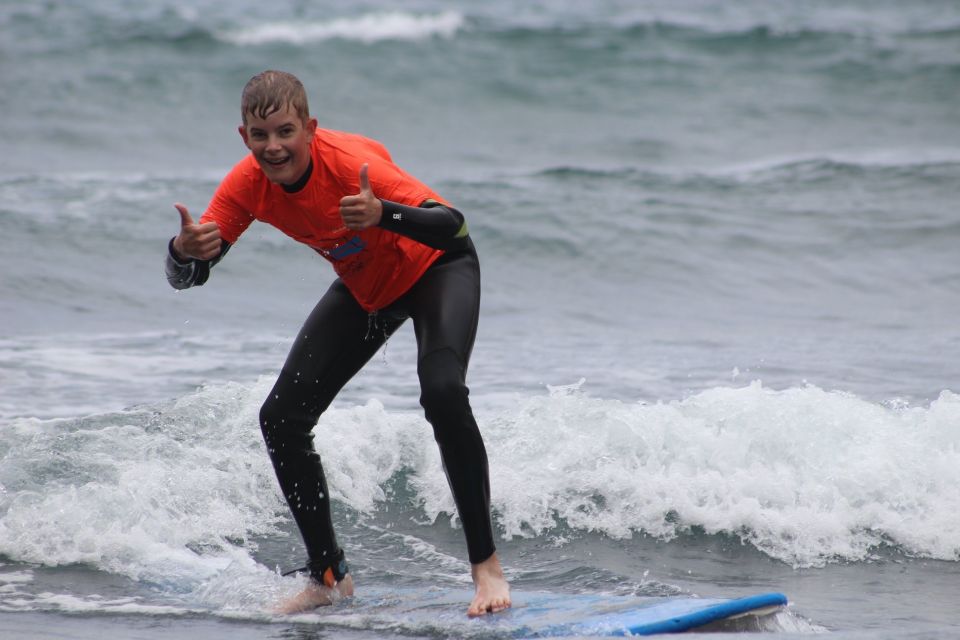
You’ll notice a pattern in how instructors are described across sessions: they’re patient, they explain clearly, and they focus on making sure you feel safe while still improving your surfing.
Names that come up often include João (also called Johnny) and Kaja/Kaia, plus other instructors like Sebastian, Monica, and Magdalena. You won’t know which one you’ll get until your session day, but the teaching approach seems consistent.
Here’s what that coaching style usually looks like for you in practice:
- Technical advice you can apply immediately, like adjusting paddle timing or how you line up
- Individual feedback, so you’re not stuck repeating the same mistake with no clue why it’s happening
- Safety-first management, especially important the first time you’re in real surf conditions
Group size is where your experience can vary. Many lessons mention tight groups where each surfer gets enough attention. At the same time, there can be days when a session combines groups after cancellations, which can push the group size to around 10–11 people. Two instructors can still teach, but your personal feedback might be less frequent if the class is larger.
If you’re the type who really benefits from frequent corrections, aim for days where you expect a smaller group, and don’t be shy about asking for a quick tip when you’re back on shore.
What to Bring for a Comfortable Wetsuit Session
This is one of those activities where packing right makes the difference between a fun day and a cold, sloppy one. The activity provides equipment, but you still control your comfort.
Bring:
- comfortable shoes
- swimwear
- towel
- snacks
- sunscreen
- water
A few practical thoughts:
- Snacks matter. Food and drinks aren’t included, and you’ll be out in the weather and water long enough to get hungry.
- Sunscreen is non-negotiable. The ocean and Madeira sun can be deceptive, and you’ll still be exposed when you’re on shore during warm-up and technique practice.
- Your towel is more than convenience. After being in cool water, drying off quickly helps you feel human again.
Who Should Book This Surf Lesson (And Who Might Want Alternatives)
This lesson is a strong fit if you want:
- a beginner-friendly introduction to surfing
- a structured way to learn technique quickly
- a way to see Madeira from the sea without needing any previous gear or experience
It’s also a good choice for people who want instruction that stays fun. Multiple sessions emphasize a positive, motivating atmosphere, where you’re encouraged to try again and build up confidence as the lesson goes.
It may be less ideal if:
- you’re extremely sensitive to cold and don’t like being in cold water for long stretches (the wetsuit helps, but the Atlantic can still feel chilly)
- you strongly need one-on-one coaching every few minutes, because group size can occasionally get bigger depending on conditions and scheduling
But for most visitors, the structure and the included equipment make it one of the more straightforward “adventure” days you can add to a Madeira trip.
Should You Book the Funchal Madeira Island Surf Lesson?
I’d book it if you want a real surf lesson in the Atlantic with transport, equipment, and coaching included, and if you’re okay with the ocean setting the schedule. The tides-and-weather reality is part of the deal, and when the session runs, it’s the kind of activity that can turn an unfamiliar sport into something you feel confident doing on your own.
Book with confidence if:
- you’re a first-timer and want to stand up and catch waves during the lesson
- you want a guided day that’s active but still beginner-managed
- you like practical instruction and safety-focused coaching
Skip or reconsider if you’re only interested in guaranteed timing with no flexibility, or if you’re set on private instruction rather than a group format.
If you’re flexible and ready to learn, this is a high-value way to experience Madeira beyond viewpoints.
FAQ
How long is the Madeira surf lesson?
The lesson lasts 4 hours.
Where will I surf during the lesson?
You’ll surf in the Atlantic off Madeira, with beginner-friendly areas listed such as Praia do Seixal, Praia de Machico, and Porto da Cruz.
What’s included in the price?
Transportation to the beach, surfing equipment (wetsuit, surfboard, etc), insurance, and an instructor are included.
Do I need to bring food or drinks?
Food and drinks are not included, so you should bring snacks and water.
What should I bring with me?
Bring comfortable shoes, swimwear, a towel, snacks, sunscreen, and water.
Will the lesson always run at the same time?
Lesson times depend on tides, sea, and weather conditions, so it may be in the morning or afternoon. If the activity is cancelled due to conditions, you’ll get a refund or an alternative date.