REVIEW · FUNCHAL
Funchal Agriculture Green Tour
Book on GetYourGuide →Operated by Secret Madeira Lda · Bookable on GetYourGuide
Madeira’s agriculture feels close-up here. This Funchal Agriculture Green Tour mixes private farm access with practical lessons on bananas, tree grafting, and dairy, then caps the day with lunch and a Porto da Cruz rum stop. I especially like the hands-on farm focus and the way the stops connect into one story, from field work to packing and finally to local food.
One thing to keep in mind: in winter, you might not get perfectly ripe banana tasting, since fruit timing depends on the season. Also, the day involves farm-side walking on uneven ground, so comfortable shoes matter.
In This Review
- Key highlights you’ll actually care about
- Why this Madeira agriculture tour is better than another sightseeing loop
- Small-group routes, pickups, and timing without the stress
- Private banana field + GESBA: the banana trade from cutting to packing
- Agriculture School greenhouse: grafting methods and fruit-tree history
- Cattle farm at Talho do Caniço: traditional milking and requeijão connections
- Santana lunch: cozy rural Maderian cooking with drinks included
- Porto da Cruz rum factory: old steam machines and a sugarcane stop
- What the day feels like end-to-end (and where you might lose time)
- Who this tour suits best (and who should skip)
- Price and value: what $100 buys you in 6 hours
- Should you book the Funchal Agriculture Green Tour?
- FAQ
- FAQ
- How long is the Funchal Agriculture Green Tour?
- Where does the hotel pickup happen?
- What if I’m staying outside Funchal or Caniço?
- How many people are in the group?
- What languages are available for the live guide?
- What will I see during the banana stops?
- What is included in the Agriculture School visit?
- What does lunch include?
- Is the rum factory part of the tour and is tasting included?
Key highlights you’ll actually care about
- Private banana field access: See how farmers manage their plots instead of just viewing from a roadside.
- GESBA banana business tour: Learn what happens after cutting, from selection through packing.
- Agriculture School greenhouse and grafting: Get shown how grafting methods work in practice.
- Cattle farm with requeijão connections: See traditional milking and learn how it links to local cheese.
- Santana lunch built like home cooking: Fresh bread, tapas, and a real main meal with drinks included.
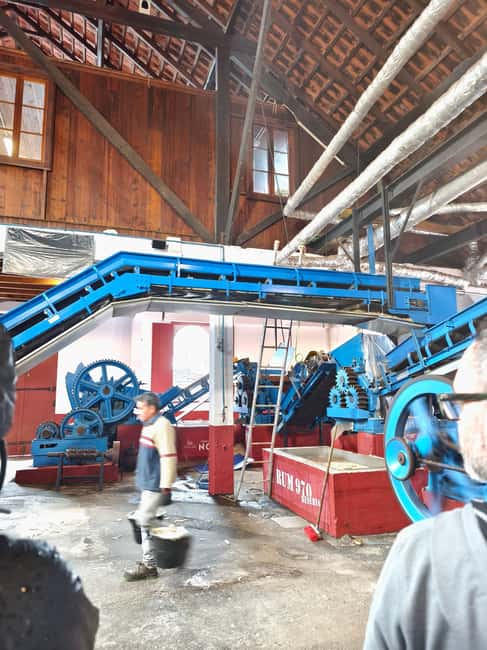
- Porto da Cruz rum factory and steam machines: A great mix of countryside and old industrial tech.
Why this Madeira agriculture tour is better than another sightseeing loop
This isn’t a “look at a viewpoint, take photos, move on” day. The heart of the experience is agriculture as a working system—banana growing, tree production, cattle farming, and processing in nearby industries. You’ll spend your time where work actually happens, and that changes how you see Madeira.
I also like the rhythm of the day. You’re not stuck in one place for hours. Instead, the tour connects the dots: bananas go from farm care to packing operations, trees connect to grafting knowledge, and dairy links to requeijão. It’s one theme, with several “chapters,” each with its own sights and small lessons.
The group size helps too. With a small group (up to 8) and guided time at multiple stops, you’re more likely to ask questions and understand what you’re looking at.
You can also read our reviews of more tours and experiences in Funchal.

Small-group routes, pickups, and timing without the stress
Your day starts with hotel pickup in the Funchal and Caniço areas, with options depending on where you’re staying. The tour confirms pickup details by email or WhatsApp, so plan to check your message the day before. You’ll usually wait in the hotel lobby about 10 minutes before pickup.
A practical heads-up: pickup delays can happen (traffic, accidents, road works), and the tour notes you should allow up to around 15 minutes. That’s normal on Madeira roads, and it’s one reason the tour is best for people who keep a flexible mindset.
The tour duration is about 6 hours, so you’re not looking at an all-day ordeal. Still, you’ll want warm clothing plus comfortable shoes, because farm stops and countryside drives can feel cooler than you expect.
Private banana field + GESBA: the banana trade from cutting to packing
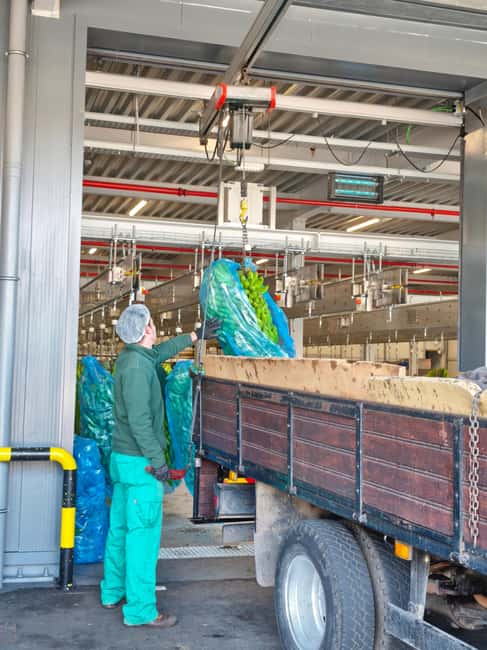
The tour starts by leaving Funchal and heading into private farm land. You’ll visit a private banana field and get a look at how farmers manage their land and work around the banana business. This is the kind of stop that helps you understand the island’s agriculture without turning it into a museum visit.
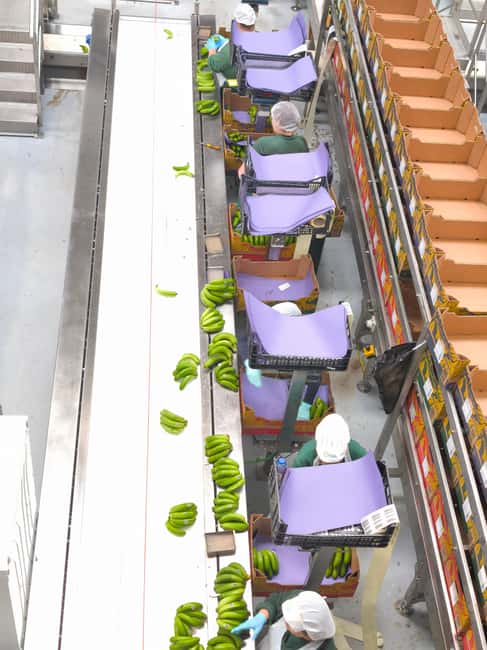
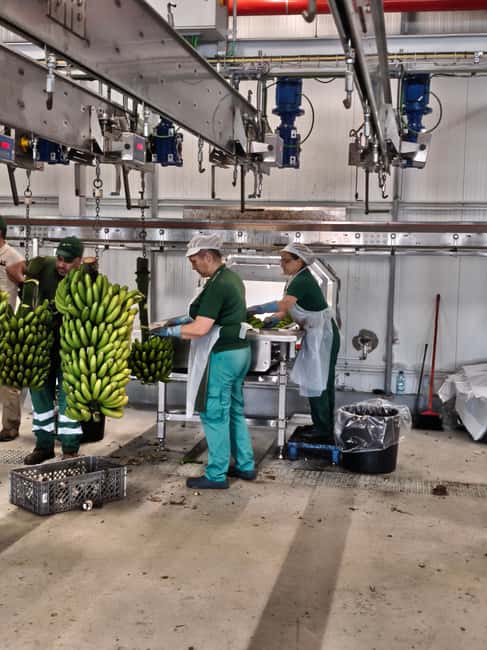
After that, you’ll tour the government-run banana sector, listed as GESBA (Empresa de Gestão do Sector da Banana). This segment is where the story gets more “systems” and less “romantic countryside.” You learn what’s done with bananas after cutting—from selection through to packing.
This is also where you’ll feel the value of being guided. Bananas aren’t just fruit; they’re logistics, timing, and careful handling. When you see the steps explained, the whole process makes more sense, especially if you’ve only ever bought bananas at a supermarket.
Two-season reality check: the tour notes that in winter, ripe bananas aren’t guaranteed. You may still taste bananas, but you shouldn’t plan your expectations around perfect sweetness all year long.
Agriculture School greenhouse: grafting methods and fruit-tree history
One of the most memorable parts of the day is the stop at the Agriculture School, described as a place where farmers come to buy trees to plant. In other words, it’s not just educational—it’s tied directly to how Madeira keeps its orchards and farm production going.
You’ll visit in a greenhouse setting and learn about grafting methods used on the island. Even if grafting sounds technical, the goal here is practical: understand how trees are produced and why that matters for fruit and resilience.
There’s also a tour around the school showing international trees planted years ago alongside local varieties. Depending on the season, you may see trees like avocados and lemon trees, plus other fruit trees when they’re in fruit season. When fruits are available, you can be offered fruit tasting during the visit.
For me, the big takeaway is this: grafting isn’t an abstract farm technique. It’s the behind-the-scenes reason you can still find local fruit culture on Madeira, even when weather and disease pressure are real.
Cattle farm at Talho do Caniço: traditional milking and requeijão connections
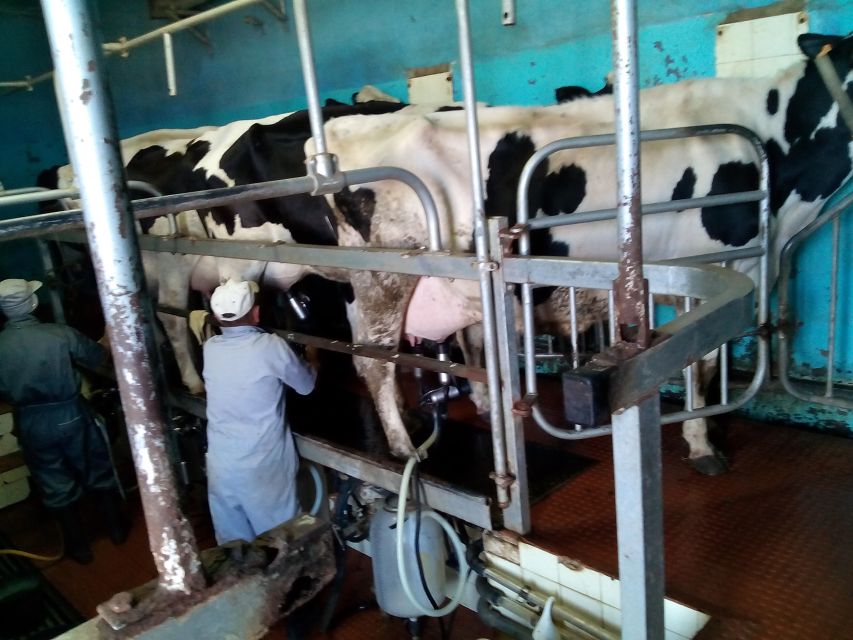
In the north-side countryside segment, the tour includes a cattle farm visit listed as Talho do Caniço. This is a private farm with a family history over a hundred years, which matters because old farming knowledge often shows up in details you wouldn’t think to look for.
The key connection is dairy and Madeira’s famous requeijão cheese. The farm provides most of its milk for making the cheese, and you can see old milking techniques firsthand. That link—farm work leading directly to a well-known local food—makes this stop feel purposeful, not just scenic.
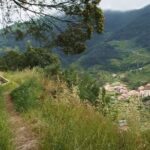
The scenery around the cattle farm is also part of the experience, with the tour calling out amazing views in the region. You’ll get that “Madeira working countryside” feel: animals, people working, and a sense that the island’s food isn’t pulled from thin air.



Santana lunch: cozy rural Maderian cooking with drinks included
After farm time and education, you get the meal part—one of the best reasons to pick this tour instead of doing everything on your own schedule.
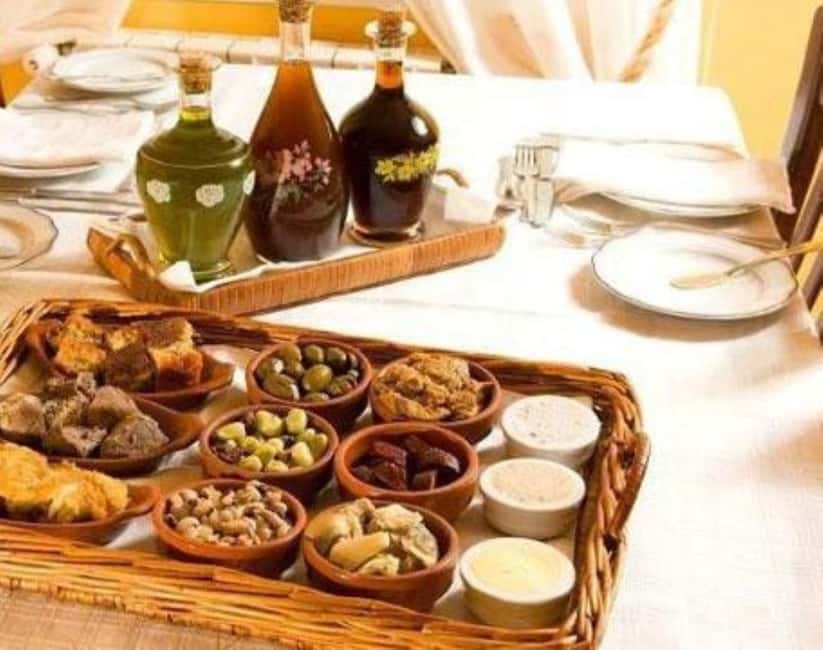
Lunch is in a cozy countryside rural area of Madeira in a home-style restaurant setting. The menu is described with real specifics: fresh baked home bread, tapas with local food, then a main choice of fish or meat. You’ll also have fresh vegetables and homemade desserts, and drinks plus coffee are included.
This is the kind of lunch that helps you absorb the day’s theme. You’ve been learning how ingredients are produced and managed, and then you eat in a way that matches the local food culture—simple, filling, and tuned to what Madeira grows and raises.
A practical tip: since the day includes multiple stops, eat with a little patience. Lunch is part of the pacing, not a quick pit stop.
Porto da Cruz rum factory: old steam machines and a sugarcane stop
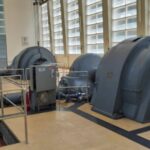
In the Porto da Cruz segment, you’ll head to the sugarcane region and visit one of Madeira’s oldest rum factories. The star here is the equipment: the tour notes that steam machines are still in use.
You’ll see how the factory works historically, and you’ll learn how the sugarcane story connects to rum production. The tour also flags that during sugarcane season (April to May), the machines are operating. Even if you visit outside that window, the fact that the steam era is still part of the operation is enough to make this stop memorable.
To top it off, there’s rum tasting included. This isn’t a “drink and leave” experience; it’s a chance to connect what you’ve seen with what you taste.
What the day feels like end-to-end (and where you might lose time)
The tour runs as a loop out of Funchal into farms, then across to the north coast area for lunch and Porto da Cruz, and finally back to Funchal.
That structure matters because it reduces backtracking. You get to cover multiple food/agriculture chapters without spending your own day driving between random spots.
Still, you should expect a few points that can slow you down:
- Short guided stops mean the day moves at a guided pace, not a leisurely one.
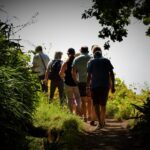
- Farm-side visits can involve uneven ground. Bring shoes that handle dirt and stones.
- Pickup timing can shift slightly due to the roads.
If you like structured, explanation-led experiences, this is a strong fit. If you prefer total freedom and long unplanned wandering, you may feel the schedule is a bit tight.
Who this tour suits best (and who should skip)
This tour is a great match if you care about food and farming and you like seeing the practical side of how things get made. It also suits families reasonably well: one of the strongest themes in the feedback you shared is how the day’s animals and farm access keep kids interested while still being educational.
It’s also ideal if you want a small-group day focused on Madeira’s working culture rather than just viewpoints.
Who should consider skipping:
- Children under 6 (not suitable).
- Wheelchair users (not suitable).
- People who want a fully paved, low-walking experience only (the farm stops suggest you’ll be moving around more than a city walking tour).
If you’re traveling in winter and hoping for a banana tasting that’s extra sweet, you might want to keep expectations flexible.
Price and value: what $100 buys you in 6 hours
At $100 per person for a 6-hour small-group tour, you’re paying for more than transport and a few photos. You’re paying for guided access to multiple working sites: a private banana field, the GESBA banana business tour, the agriculture school greenhouse with grafting instruction, a cattle farm visit tied to requeijão production, a full Maderian lunch with drinks and coffee, and a Porto da Cruz rum factory stop with tasting.
That’s why the value feels better here than in many generic tours. The “included” parts are the ones that cost money on their own: entry and guided visits at farms and production sites, plus lunch and tastings.
In practical terms, you’ll likely leave the day with both memories and understanding. You’re not just consuming Madeira; you’re learning how it feeds itself.
Should you book the Funchal Agriculture Green Tour?
Book it if you want a hands-on agriculture day that connects farms, food production, and local flavors in a small group. It’s especially worth it if you enjoy asking questions, learning how methods work (like grafting), and eating lunch where the meal matches the day’s theme.
Skip or choose something else if you need a fully wheelchair-friendly itinerary, you dislike farm settings and uneven ground, or you want a relaxed, slow day with lots of free time.
If you’re between those extremes, here’s my simple decision rule: if you’d rather understand Madeira’s food system than collect another set of scenic photos, this tour fits your style.
FAQ
FAQ
How long is the Funchal Agriculture Green Tour?
The tour duration is 6 hours.
Where does the hotel pickup happen?
Hotel pickup and drop-off are included for hotels in Caniço and Funchal. The tour also mentions pickups for Santa Cruz, Caniço, Garajau, and Funchal, but exact meeting points may vary by area.
What if I’m staying outside Funchal or Caniço?
Guests coming from Ponta do Sol, Calheta, Santana, and São Vicente can meet at the main road of the Hotel Madeira Panoramico parking area. The tour also advises that pick-up details can be earlier or later depending on your hotel.
How many people are in the group?
The group is small, limited to 8 participants.
What languages are available for the live guide?
The live tour guide is available in Spanish, English, French, and German.
What will I see during the banana stops?
You’ll visit a private banana field, then see the government banana business (GESBA). You’ll learn what is done with bananas after they are cut, from selection to packing, and there is banana tasting (with a note that in winter bananas may not always be ripe).
What is included in the Agriculture School visit?
You’ll visit the Agriculture School greenhouse to learn about grafting methods. You’ll also see international and local fruit trees, and you may be offered fruit tasting depending on what’s in season.
What does lunch include?
Lunch includes local Maderian food with tapas, a main meal choice of fish or meat, fresh vegetables, homemade desserts, and drinks plus coffee.
Is the rum factory part of the tour and is tasting included?
Yes. You’ll stop in Porto da Cruz to visit one of Madeira’s oldest rum factories with steam machines still in use, and rum tasting is included.