REVIEW · MADEIRA
Full Day Ponta de São Lourenço – Natural Reserve
Book on GetYourGuide →Operated by Adventure Kingdom · Bookable on GetYourGuide
Madeira’s eastern tip is pure drama. This full-day outing through Ponta de São Lourenço is interesting because you get a long, thin volcanic peninsula with different plants than the rest of the island and the real possibility of spotting protected seabirds. I love the coastal views that stretch from Porto Santo to the Deserted Islands, and I also like the guided natural history angle. One thing to plan for: the area can feel windy and crowded, especially near the turnaround café.
The hike itself is short on paper (about 6 km), but it’s still a proper walk with an easy-moderate effort and a solid dose of exposed coastline. You’ll be in a small world controlled by weather, tides, and seabirds—not a levada-style walk where you always feel sheltered. Expect a guide who explains what you’re seeing along the way; names like Marta, Ruben, Claudio, Fabio, Daria, Samuel, and Carlos show up often, and the recurring theme is clear safety talk and lots of species talk.
In This Review
- Key highlights that make this walk worth your time
- Entering Ponta de São Lourenço: why this eastern peninsula feels different
- Getting from your hotel: the pickup vibe and the drive out
- The 6 km walk: timing, effort, and what the trail is actually like
- Plants and geology lessons you can feel without being a scientist
- Birdwatching on a protected coast: what you may see
- Deserted Islands and Porto Santo views: the peninsula’s big payoff
- Casa do Sardinha: the trail’s end, the rest break, and the toilet reality
- On pace and group energy: what it feels like in real life
- What to bring: wind-ready hiking and smart small comforts
- Weather and safety: rain or shine, but safety first
- Price and value: what $54 really covers (and the 3€ conservation fee)
- Who should book this hike, and who should skip it
- Should you book: my decision checklist
- FAQ
- How long is the whole tour, and how long is the hike?
- What is the difficulty level?
- What will I see at Casa do Sardinha?
- Is food and drink included?
- Do I need to pay an extra fee?
- Is the tour canceled if it rains?
- What languages are the guides?
Key highlights that make this walk worth your time
- See both the south and north coasts of Madeira from one long, narrow peninsula walk
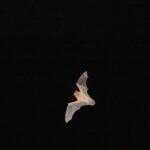
- Spot protected seabirds like Cory’s shearwater and Madeiran storm-petrel (weather dependent)
- Learn coastal plants you don’t see elsewhere on Madeira, including Ice Flower and Everlasting
- Turn around at Casa do Sardinha with a guided rest at the trail’s end
- Get guided context in Natura 2000 rather than just a point-to-point hike
Entering Ponta de São Lourenço: why this eastern peninsula feels different
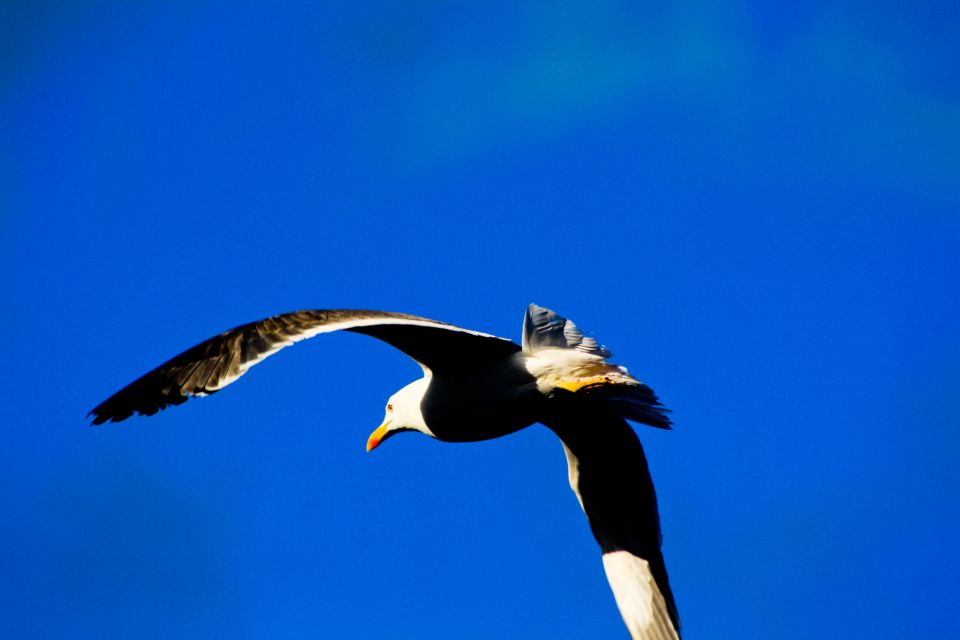
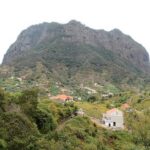
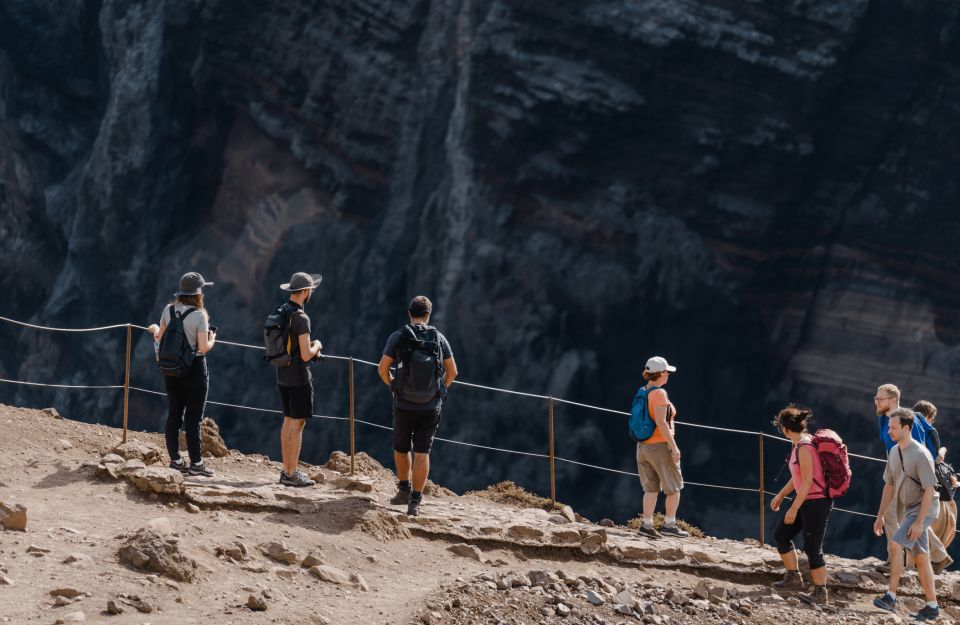
Ponta de São Lourenço sits on Madeira’s far eastern edge, around Caniçal. What makes it special is the shape: a long thin volcanic origin peninsula with dramatic drop-offs on both sides. Walk it and you’ll feel like you’re on the island’s outer border, not in the middle of Madeira’s more familiar terrain.
The reserve status matters too. This area is a partial natural reserve and part of the Natura 2000 network, so you’re walking in a protected habitat rather than an open playground. That protection is part of the reason seabirds still have a chance here.
And the plants are a big clue that you’re in a different zone. You may notice vegetation distinct from other parts of the island, including Everlasting (Helichrysum devium Johns) and Ice Flower (Mezembryanthemum crystallinum). Even if you’re not a plant person, it helps you “read” the place: this coast is shaped by salt spray, wind, and harsh exposure.
You can also read our reviews of more tours and experiences in Madeira

Getting from your hotel: the pickup vibe and the drive out
This is one of those tours that starts easy. You’ll get pickup from a designated hotel list, and you’re asked to be ready about 10 minutes before your scheduled time in reception. The guides wait about 5 minutes per guest, so don’t aim for perfect lateness. You’ll head out toward the Ponta de São Lourenço area, with multiple hotel pickup options from across Funchal and Santa Cruz.
On the way, the schedule often includes scenic driving and a chance of a short stop at a local café for a refreshment break. The key word here is might. I treat it as a bonus, not something to count on.
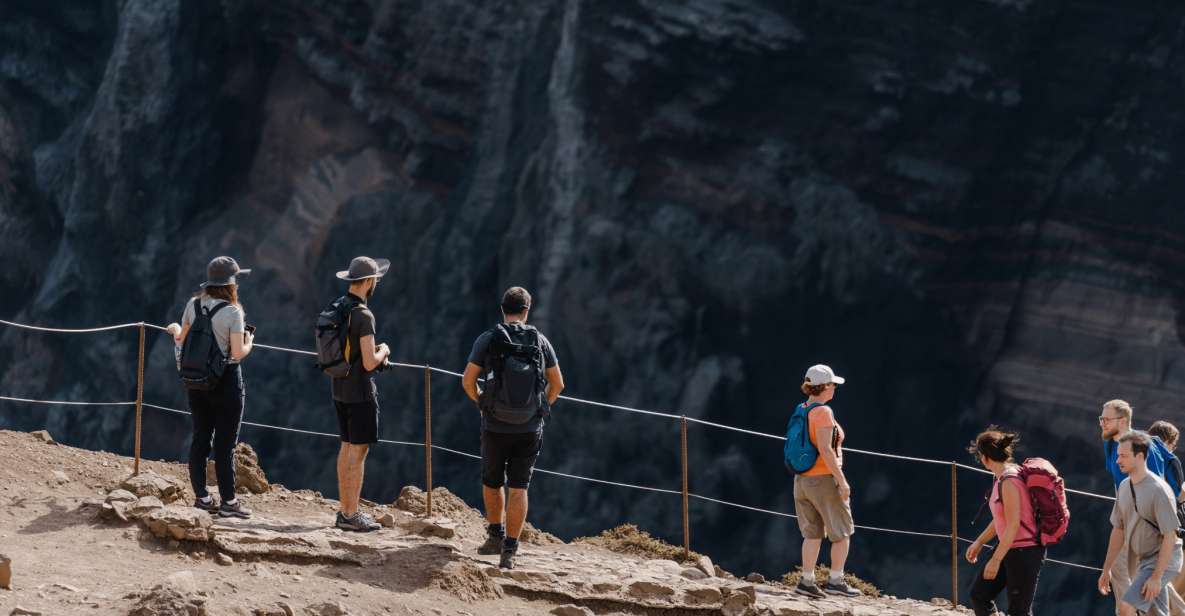
Once you reach the trail area, you’ll get a safety briefing and the guide will set expectations for the hike. This matters on an exposed coast. Even a “moderate” walk can feel intense once wind is pushing you.
The 6 km walk: timing, effort, and what the trail is actually like
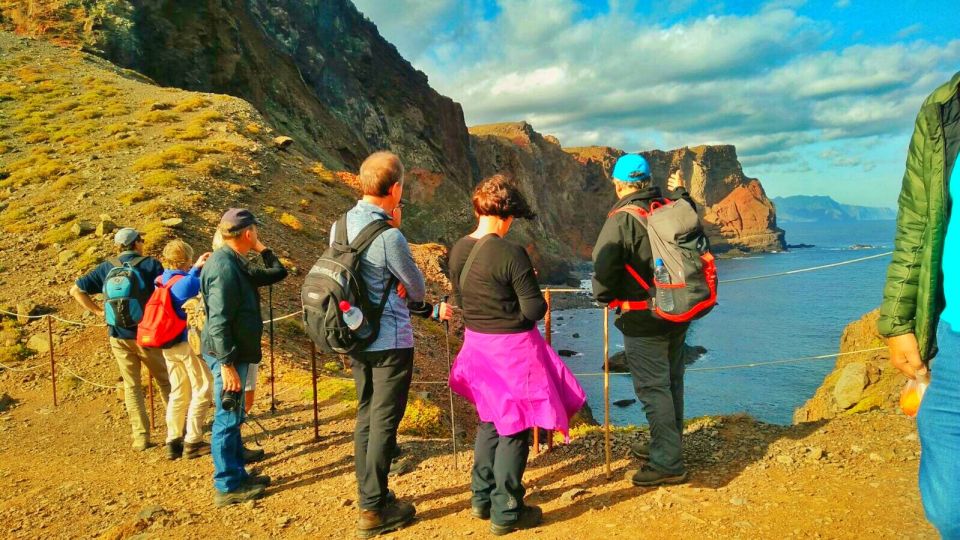
The hike covers about 6 km with around 100 meters of elevation gain. The typical moving time is about 3 hours 30 minutes, but your total tour day is longer because you’ll have transportation, brief scenic stops, and a turnaround break at the café.
Difficulty is described as easy-moderate, but it’s the kind of moderate that depends on conditions. The trail is signed and you aren’t dealing with technical climbing, but wind can change your experience fast. One participant even described stepping back from strong gusts—so if you’re sensitive to that, dress and plan like it’s going to be breezy (because it might be).
You’ll also walk the same route back. That keeps things simple: no confusing loops, no “where did we park?” moment. It also means your best viewpoints come twice—on the way out and again on the return.
Plants and geology lessons you can feel without being a scientist
A good guide turns a walk into a short field course. On this peninsula, the guide typically points out how this part of Madeira differs in vegetation. That’s where you’ll hear names tied to the coastal species you’re seeing, like Ice Flower and Everlasting.
Even if you can’t pronounce the Latin names, you’ll understand the pattern. These plants are built for tough coastal life—thin soil, salt air, and strong sun. When you spot them, it’s a reminder that you’re not walking through generic scenery. You’re seeing a coast shaped by volcanic origin and wind-driven exposure.
This is also where the Natura 2000 context becomes more than a label. Protected habitats usually mean the ecosystem is sensitive. You’ll be better off staying on the path and respecting the “don’t trample” vibe, even when it’s tempting to step closer for a photo.
Birdwatching on a protected coast: what you may see
If seabirds are your thing, this is a highlight. Ponta de São Lourenço is home to protected seabirds, and depending on weather and sea conditions you may spot species such as:
- Cory’s shearwater
- Madeiran storm-petrel
- Bulwer’s petrel
- Common tern
You might also see other birds like Berthelot’s pipit, goldfinch, and canary. Don’t expect a guaranteed checklist. Think of it as a chance that improves when you’re patient and ready with a phone/camera and an eye for movement over the water.
Practical tip: birds are easier to spot when you slow down your scanning during viewpoint pauses. You’ll likely have photo stops during the walk, but your best chance often comes when you let your eyes rest and watch the coastline rather than constantly moving.



Deserted Islands and Porto Santo views: the peninsula’s big payoff
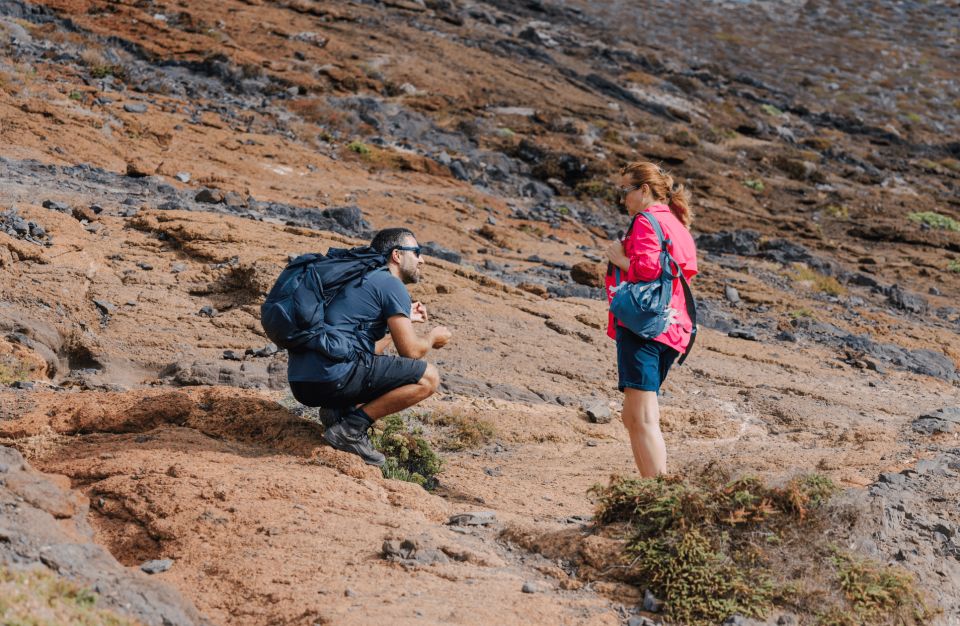
Here’s the moment this walk is built for. Weather permitting, you’ll look out toward the Deserted Islands to the south and the islands of Porto Santo to the north. The fun part is that you’re effectively seeing both sides of Madeira in one hike.
That matters because it gives your brain two “map frames” at once: one direction feels like open ocean drama, and the other direction gives you a different kind of coastal perspective. The guide may point out angles and directions as you go, so you’ll get more than pretty photos—you’ll start understanding the geography.
Cloud cover or haze can limit visibility. But even in imperfect conditions, the coastline itself is the show: layered rock, sharp edges, and the sense of open exposure.
Casa do Sardinha: the trail’s end, the rest break, and the toilet reality
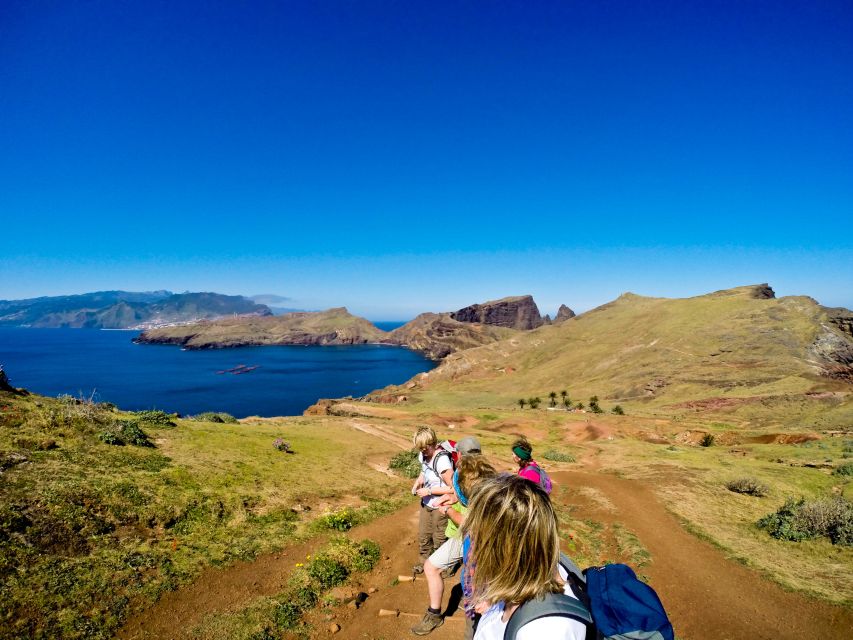
At the end of the outward walk, you reach Casa do Sardinha – Natur Spot Cafe. This is where the tour turns around. You’ll get a short rest break—about 30 minutes—and then return along the same trail.
This stop is charming for a simple reason: it marks the moment you’re done with the “outward” effort and can reset. You can grab a drink or snack if available (the tour doesn’t guarantee it), and you can also use the restrooms.
One practical heads-up: there can be a wait for toilets. Some schedules involve a queue around 30 minutes. If that sounds annoying, it is—but it’s also a sign this place is a real hub, not a quiet photo stop. Bring coins if you can, and don’t treat the restroom as a rapid in-and-out.
On pace and group energy: what it feels like in real life
You’re on a guided schedule, and the guide has to keep the itinerary moving so everyone gets the full experience. Some people love that structure. Others want more wandering and longer photo pauses.
From what’s been shared, the tempo can feel brisk at times. The good news: the stops and viewpoints are built in, so you’re not just pushed forward without breaks. The cautious note: if you’re the type who takes 15-minute photo sessions at every bend, you’ll need to accept the pace or choose shorter bursts of time at each spot.
What to bring: wind-ready hiking and smart small comforts
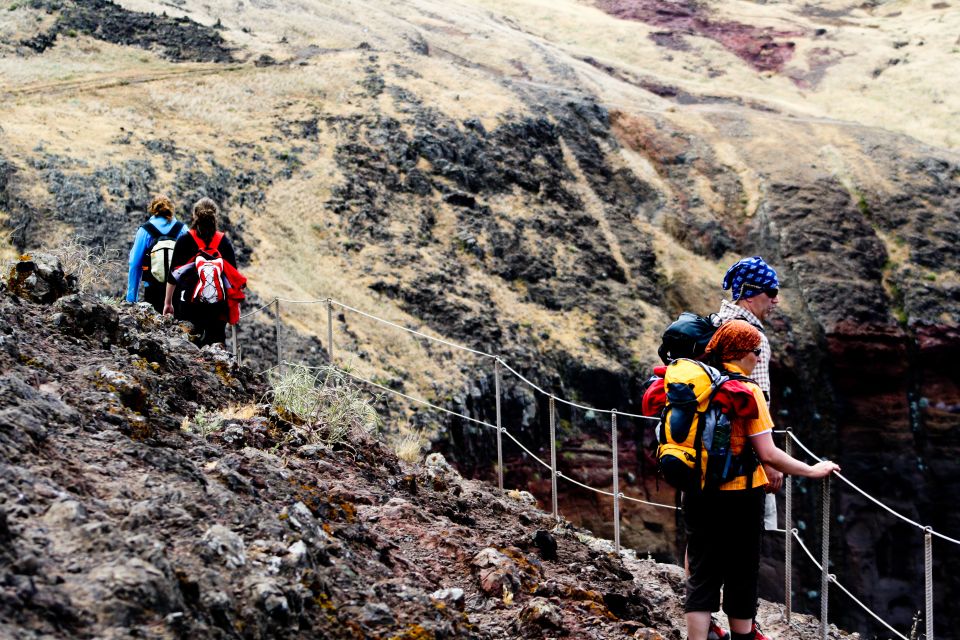
Because this is a coastal peninsula, packing isn’t about “nice to have.” It’s about not getting miserable.
Bring:
- Comfortable shoes (hiking shoes are strongly preferred)
- Sunscreen
- Rain gear (the tour runs if it’s safe, even in bad weather)
- Food and drinks (purchasing before or during the stop is not guaranteed)
- Comfortable clothes you can layer
Also consider:
- Wind can knock your balance—so think about a light layer that actually blocks gusts.
- Bring a plan for the café stop: a snack, water, and a little patience.
The tour doesn’t allow certain items like flip-flops/sandals, pets, large luggage, and smoking/vaping in the vehicle. So keep it simple: you want your day to feel like walking, not managing gear.
Weather and safety: rain or shine, but safety first
The hike proceeds rain or shine as long as it’s safe. That’s good because it prevents you from losing the day to a light drizzle. The challenge is that this coast can get windy.
So dress for wind. If you’re used to gentle hikes, treat this as a “breezy coast” hike even when the sky looks calm. The guide’s safety briefing is there for a reason—strong gusts are one of the main things that can make footing feel harder than the elevation suggests.
Price and value: what $54 really covers (and the 3€ conservation fee)
At $54 per person, this tour offers solid value if you want two things at once: guided nature interpretation and hassle-free transport. Your price includes:
- A nature walk with a professional guide
- Insurance coverage according to Portuguese law
- Pickup and drop-off from designated hotels
There’s also a mandatory 3€ nature maintenance contribution, paid in cash to the guide the day of the hike. That fee is for trail preservation and natural surroundings—so you’re paying for the “ability to walk this route” in the first place.
My take: the value is strongest if you’d otherwise struggle with transport to the start point or if you like your hiking with real context. If you’re the DIY-only type, you might not need the guide. But if you want the plant and seabird explanations, the money usually feels justified.
Who should book this hike, and who should skip it
This walk is a great match for:
- People who like outdoor nature experiences and want more than views
- Anyone comfortable with a 3.5-hour hike and about 100 m of climb
- Travelers who want Madeira’s east coast without renting a car
It’s not a good fit for a long list of conditions and limitations, including limited mobility and many health issues. It may also not suit very young children due to length and difficulty, with an explicit note that it may not be suitable for children under 8.
If you have back problems, heart or respiratory issues, recent surgeries, or you’re dealing with serious motion sickness, claustrophobia, or altitude sickness risk, you should pass. This is not a sit-back-and-snack tour. It’s an active coastal hike with wind exposure.
Should you book: my decision checklist
Book it if you want:
- Big east-coast coastal views plus a guided explanation
- A short hike by distance, but with real outdoor effort
- A chance at protected seabird sightings and unique coastal plants
Skip it if:
- You hate wind-driven exposure on open trails
- You need a slow, unstructured walk with lots of time for lingering
- You can’t handle a 3.5-hour moderate hike
If you’re deciding, pick the day you’re most likely to have visibility. Even when weather is rough, the experience stays outdoors and interpretive—but clear conditions give you the north/south coast views that make Ponta de São Lourenço famous.
FAQ
How long is the whole tour, and how long is the hike?
The full experience lasts about 6 hours. The hike itself is around 3 hours 30 minutes for the typical 6 km walk.
What is the difficulty level?
It’s described as easy-moderate, with about 100 meters of elevation gain. Wind can make it feel harder, so good hiking shoes help.
What will I see at Casa do Sardinha?
Casa do Sardinha is the turnaround point at the end of the path, with a rest break (about 30 minutes). It’s also where you’ll find facilities on site, though there may be a line.
Is food and drink included?
Food and drinks are not included. You might be able to buy something before the hike or at the stop, but it’s not guaranteed, so bring your own.
Do I need to pay an extra fee?
Yes. There’s a mandatory 3€ nature maintenance contribution required for the hike, paid directly to the guide in cash on the day.
Is the tour canceled if it rains?
The tour runs regardless of weather conditions as long as it’s safe to do so.
What languages are the guides?
The live guide can be English, French, German, Portuguese, or Spanish. Your preferred language can’t always be guaranteed.