REVIEW · FUNCHAL
Fishing Villages – Southwest Tour
Book on Viator →Operated by Madeira Island Tours · Bookable on Viator
Southwest Madeira has a special kind of calm. This guided loop from Funchal takes you through old fishing villages and cliff-hugging viewpoints, where the landscape does most of the talking. I especially like the mix of places: you get the postcard-scenery of Ponta do Sol and Ponta do Pargo, plus quieter stops like Prazeres with its dark basalt houses and big church towers.
One thing to factor in: the tour is listed as about 8 hours, but some departures can feel closer to a shorter run depending on how the day flows.
You’ll ride in an air-conditioned vehicle with pickup in and around Funchal, and you’ll have free time at each stop to wander on your own. The group is kept small (up to 14), which helps when roads are tight and parking is limited.
If you’re expecting a long, guided walk at every village, set your expectations for short visits and photo stops. Still, the route is packed with “first look” moments that make you want to step out and slow down.
In This Review
- Key highlights you’ll notice right away
- The route: what this Southwest fishing villages tour really feels like
- Pickup in Funchal and how to avoid the “we’re late” moment
- Stop-by-stop: what you’ll actually see at each village
- Ponta do Sol: the sunny point with banana-clad slopes
- Prazeres: a church-centered agricultural settlement of basalt and old houses
- Ponta do Pargo: western tip drama with a lighthouse about 312 m up
- Paul do Mar: sea-flooding history, salt factory past, and today’s protected shoreline
- Jardim do Mar: a walkable promenade plus a cliff tower and surfing energy
- Calheta: a sun-favored valley town with an artificial sand beach
- The guide and the extra moments that make it feel like a day, not just a route
- Price and value: $42.59 with what you’re giving up (and what you’re not)
- Weather, comfort, and what to pack for cliff-road country
- Who this tour suits best (and who should choose something else)
- Should you book Fishing Villages of Southwest Tour from Funchal?
- FAQ
- What’s the start time for the tour?
- How long is the Southwest tour in Madeira?
- Where do they pick you up?
- Do I need to buy tickets for the stops?
- Is lunch included?
- What language is the tour offered in?
- How many people are on the tour?
- Do I need to check for the pickup time the day before?
- What happens if the weather is bad?
Key highlights you’ll notice right away
- Ponta do Sol’s valley bananas: a steep-sided village with a relaxed pace and real plantation scenery.
- Ponta do Pargo lighthouse views: the western tip, with a lighthouse perched about 312 m above the sea.
- Paul do Mar’s sea-wall story: why this coast used to flood and how today’s coastline reshaped life there.
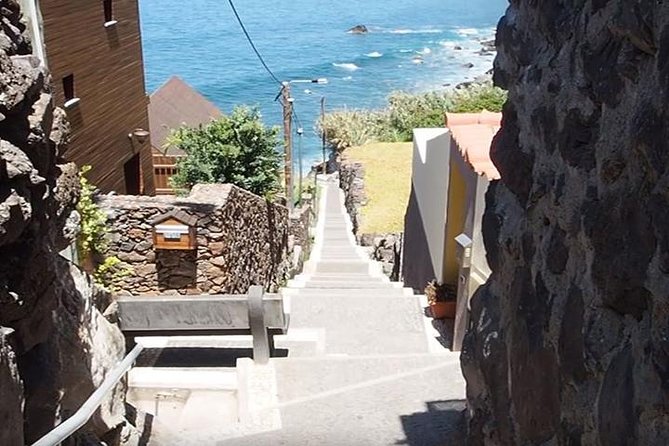
- Jardim do Mar’s marine promenade: a walkable waterfront with a cliff tower above and strong surfing energy.
- Calheta’s artificial sand beach: a leisure-focused town in a steep valley with a sunny feel.
- Small group size: max 14 travelers, so you’re not stuck in a huge bus shuffle.
The route: what this Southwest fishing villages tour really feels like
This is a classic Madeira “south-west loop” tour: you start in the morning from Funchal, then work your way along the island’s southern coast and back, with stops designed to give you quick, meaningful impressions. Each stop is timed around about 30 minutes, with admission tickets free when a stop calls for one.
In practical terms, that means you’re not looking at one long city day. You’re doing several short village breaks. That’s great if you like variety and want to see different micro-climates of Madeira in a single morning/afternoon stretch.
The vehicle is air-conditioned, pickup is offered from hotels in Funchal, Camara de Lobos, Cabo Girao, and Canico, and you’ll get dropped back in the same area. Meet time is 8:30 am, and the driver can only wait about 5 minutes after the scheduled pickup time—so it pays to be ready when they arrive.
You can also read our reviews of more tours and experiences in Funchal
Pickup in Funchal and how to avoid the “we’re late” moment
Your day starts at your hotel reception if possible. If your accommodation isn’t a hotel (like a villa or apartment), you’ll be asked to wait outside by the main entrance.
The most important logistics tip: check your email or WhatsApp the day before for the pickup’s more precise time and location. The tour provider notes that these can vary a bit, and your spot depends on the route order.
Because the driver waits no longer than 5 minutes, I suggest building in a “no surprises” buffer. If you’re getting ready, eating breakfast later, or you’re coordinating with family, set a calm plan so you’re outside and looking for the vehicle when it arrives.
Group size is capped at 14, so you’re usually not dealing with a long list of names and confusion at every curb. Still, curbside pickup in Madeira often means quick stops and close timing—so your best move is to keep your attention on the meeting point and be ready to go.
Stop-by-stop: what you’ll actually see at each village
Ponta do Sol: the sunny point with banana-clad slopes
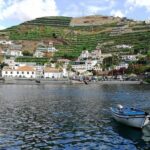
Ponta do Sol is named for a sunny point, and you feel that vibe as soon as you arrive. It’s a quiet little village folded into a steep valley, with dense banana plantations rising above it. The setting matters here: instead of a flat promenade town, you get layered views—village below, plantation slopes above, mountains and coastline around.
You’ll have about 30 minutes and free admission, so think of it as a short wander: look for viewpoints, take in how the village sits against the valley wall, and then decide if you want a longer break on your own later.
What I like: even in a short visit, you can get the sense of daily life. This doesn’t feel like a museum stop. It’s more “take five minutes and breathe” than “tick a box.”
Possible drawback: because the terrain is steep, comfortable shoes help. You can still manage it easily, but you’ll want decent footing for uneven ground and stairs.
Prazeres: a church-centered agricultural settlement of basalt and old houses
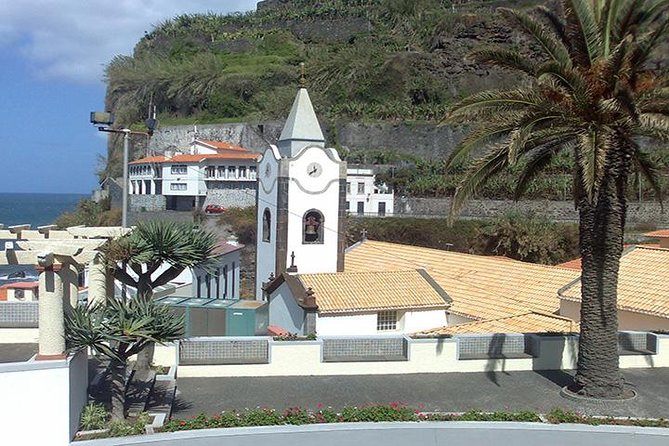
After lunch (lunch isn’t included, so plan a bite of your own), the route heads to Prazeres. This is a small agricultural settlement built around a church, and the standout is the massive church towers that look far too large for the scale of the place.
Another detail that makes Prazeres feel authentic: many of the older one-room houses are made from dark basalt with unplastered walls. In other words, you’re seeing architecture that looks practical and local, not “renovated for tourists.”
Your time here is also about 30 minutes. That’s enough to walk the church area, glance at the street layout, and take photos without rushing.
What to consider: since it’s a working agricultural zone, don’t expect everything to be open like a shopping district. Use your time to observe textures—stone, walls, and how the settlement hugs the hillside.




Ponta do Pargo: western tip drama with a lighthouse about 312 m up
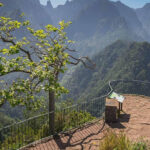
Ponta do Pargo sits at Madeira’s westernmost tip. The big attraction is the lighthouse on the cliff-top, towering roughly 312 meters (984 ft) above the sea. Even if you don’t climb to every viewpoint, the coastline view alone is worth your time.
You’ll also hear the village’s name has a specific local meaning: it’s named after dolphinfish (not dolphins), which were fished in this area. That little fact gives the stop a nice “where did the name come from?” feeling, and it ties the coastal geography to fishing life.
Your visit is about 30 minutes, with a free admission ticket if needed. This is a great place for photos because the village sits among fields of vines and vegetables, so you get both coast and countryside in one frame.
Possible drawback: lighthouse areas can feel exposed. If the wind is strong, hang out where you can still see the coast without struggling against the gusts.
Paul do Mar: sea-flooding history, salt factory past, and today’s protected shoreline
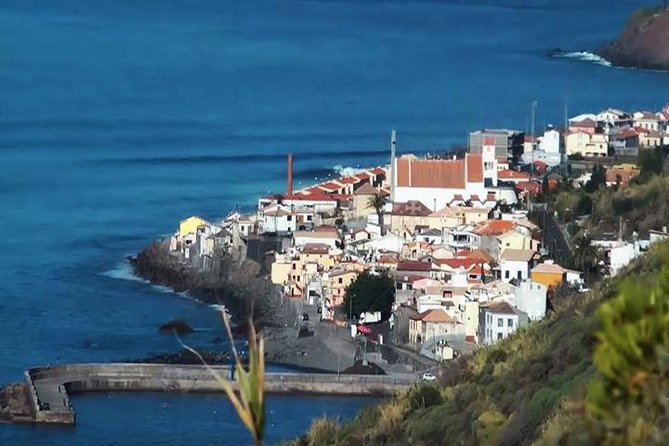
Paul do Mar is a coast story. It’s exposed to the Atlantic, and in earlier periods, the sea would flood the area—so much that some fields were inundated to a depth of about one meter. That’s why the place links to the old idea of a site of the lake or the lake (Sitio da Lagoa / Alagoa).
One surprising historical detail: a salt factory was established because of those flooding conditions. It closed long ago, but it explains why the coast’s relationship with seawater mattered so much economically.
Today, you’ll notice a different coastline. The construction of a new higher sea wall and an ocean-front road with parking helped stop flooding. In practice, it means you can sit and walk here without worrying about the ocean reclaiming the streets each tide.
You’ll have around 30 minutes. I’d use it for a slow walk along whatever waterfront access you find and a chance to spot how the sea wall changes the feel of the place.
Consideration: this stop is still very coastal, so check the weather. Cloudy, windy conditions can reduce the “wow” of the views, even if the village itself remains interesting.
Jardim do Mar: a walkable promenade plus a cliff tower and surfing energy
Jardim do Mar is the kind of stop that’s easy to like quickly. It has a marine promenade that feels pleasant for strolling, and above it there’s a cliff tower rising over the village.
It also has a clear reputation: this is Madeira’s surfing center. Even if you’re not planning to surf, you’ll likely notice the vibe—people watching the ocean, casual beach energy, and a town shaped around the water.
One detail I found especially interesting: there’s a route up the steep cliff that was described as the only way in and out of the village. That tells you how dramatic the geography is here, and why the promenade feels like a lifeline.
Your stop is about 30 minutes, and you’ll likely want those minutes because Jardim do Mar is one of those places where you relax as you walk.
Possible drawback: steep access and cliff-side terrain can be tiring. If you want to maximize the village experience, go slow and don’t rush to every viewpoint.
Calheta: a sun-favored valley town with an artificial sand beach
Calheta is where the tour shifts from small fishing villages to a more leisure-oriented coastal town. The setting is a steep valley just above the coast, and it’s described as fertile and sun-favored.
Calheta was built in an inlet by the mouth of a stream, and the area’s “permanent sun” reputation is part of why it became a leisure destination. Add in the recent artificial sand beach, and you get a town that feels designed for relaxing by the water.
You’ll have about 30 minutes here. This stop is a good time to take a break from constant wandering and just sit with the views. If you want a snack or drink, this is also the village where you may find more services simply because it functions as a leisure hub.
Consideration: because it’s more tourism-friendly, it may feel busier than the smaller fishing stops, depending on the season.
The guide and the extra moments that make it feel like a day, not just a route
The official format is straightforward: pickup, air-conditioned ride, a series of timed village stops, and return. But the experience can feel more personal with a guide who brings the places to life.
One guide name you might hear on some departures is Bruno the Guido. On the day I’m using as a model, he also paired the drive with a “banana” moment connected to a levada (banana irrigation channel), including a noted stop reference at about 331 m, plus a coffee stop along the way.
I can’t promise every departure includes the same extras, but it’s a good sign when the guide connects practical details—farming, water management, local fishing—rather than treating the day like a string of bus windows.
If you want this tour to feel rewarding, ask simple questions like why the villages face the way they do, how the sea wall changed Paul do Mar, or what role the coastline played in Ponta do Pargo naming. On a small-group day, you usually get an answer that’s actually useful.
Price and value: $42.59 with what you’re giving up (and what you’re not)
At $42.59 per person, this tour is priced for people who want to see a lot without paying for a private car or building a whole DIY route.
Here’s what you’re getting for the money:
- Hotel pickup and drop-off in the listed Funchal-area zones
- Air-conditioned vehicle
- A morning schedule built around multiple villages
- Free admission tickets where applicable
And here’s what you’re not getting:
- Lunch (so you’ll plan your own meal)
- A “deep dive” feel at each stop, since each village is timed around 30 minutes
Value is strongest if you’re using it as a way to orient yourself to southwest Madeira. After this tour, you’ll know which village you’d return to on your own, what kind of footing you’ll need for the terrain, and how much you like coastal promenades versus hillside church areas.
If you’re the type who wants long, unhurried hours in a single place, this might feel rushed. If you’re the type who likes variety and photos, you’ll likely find it an efficient use of a morning.
Weather, comfort, and what to pack for cliff-road country
This experience requires good weather. That’s important because you’re traveling between coastal viewpoints and hillsides, and windy or rainy conditions can affect what you can enjoy comfortably.
For comfort, I recommend:
- Shoes with grip for steep village terrain
- A light layer for coastal wind
- A reusable water bottle (especially if you’re doing your own lunch)
- A small crossbody or day bag so you can keep your hands free on sidewalks
Also remember: parking and stop times can be tight. If you want smooth transitions, keep your essentials easy to access and stay close to the pickup point when the group reconvenes.
Who this tour suits best (and who should choose something else)
This fits you if you:
- Want a first taste of Madeira’s southwest fishing villages
- Like short village walks and viewpoint stops
- Prefer a small group (max 14) and simple logistics
- Don’t want to drive yourself through the island’s winding roads
It may not fit you as well if you:
- Want a full, guided museum-style experience with long explanations
- Need guaranteed long time at just one or two locations
- Are sensitive to steep terrain and uneven ground (the stops are scenic, but they’re not flat)
Should you book Fishing Villages of Southwest Tour from Funchal?
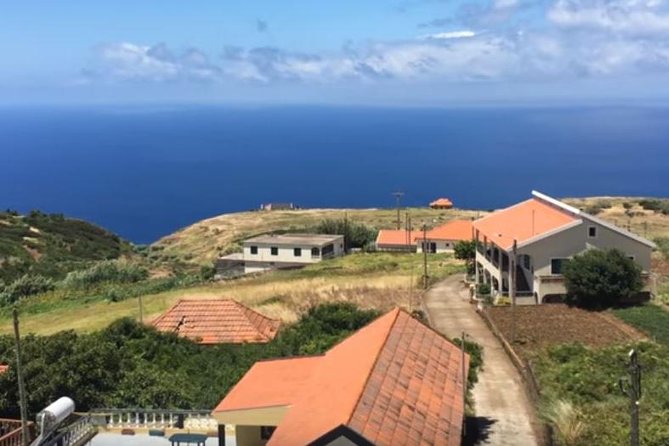
If you want maximum variety in minimum planning, I think it’s a solid choice. You get a sequence of very different coastal characters—from banana slopes at Ponta do Sol to the lighthouse drama of Ponta do Pargo, then down to the sea-wall story at Paul do Mar and the promenade feel of Jardim do Mar, finishing in Calheta’s more leisure-friendly vibe.
The main caution is time expectations. Even though it’s listed as about 8 hours, the day can feel shorter depending on how the departure runs. If you’re okay with that and you’re here to see the region, not to stay for one long deep visit, you’ll likely enjoy the ride.
If your schedule is tight, you’ll appreciate the clear structure: pickup at 8:30 am, timed stops, and a return to the same general area. Just don’t overpack the day after—leave breathing room in case the coastline weather or timing shifts the flow.
FAQ
What’s the start time for the tour?
The tour starts at 8:30 am.
How long is the Southwest tour in Madeira?
It’s listed as about 8 hours.
Where do they pick you up?
Pickup is offered in Funchal, Camara de Lobos village, Cabo Girao, and Canico areas, and you’ll meet the group at your hotel reception where possible.
Do I need to buy tickets for the stops?
Admission tickets are listed as free for the stops.
Is lunch included?
No, lunch is not included.
What language is the tour offered in?
The tour is offered in English.
How many people are on the tour?
The group size is limited to a maximum of 14 travelers.
Do I need to check for the pickup time the day before?
Yes. You’re asked to check your email / WhatsApp the day before for more precise pickup times and locations.
What happens if the weather is bad?
The experience requires good weather. If it’s canceled due to poor weather, you’ll be offered a different date or a full refund.