REVIEW · MADEIRA
Funchal: Scuba Diving Experience for Beginners
Book on Viator →Operated by Madeira Divepoint · Bookable on Viator
Your first regulator lesson is surprisingly calm. I like this beginner scuba setup in Funchal because you get PADI-style coaching plus pool practice before you head out to a shallow private reef area. The instructors focus on basics that matter fast: breathing through the regulator, controlled buoyancy, and how to move safely with equipment.
Two things really stand out for me: the step-by-step confidence building in the pool, and the way the instructors stay close while you learn. One practical drawback to keep in mind is that ocean conditions and ear equalization can be uncomfortable for first-timers, especially if you need extra time to get the hang of it.
In This Review
- Key Things I’d Plan Around
- What This Beginner Scuba Experience Actually Teaches
- Where You Meet (and Why Location Helps)
- The Gear + Safety Briefing: Where Confidence Begins
- Pool Practice: The Stage That Makes or Breaks Your Sea Session
- What It’s Like Underwater Around the Shallow Reef
- Ear Equalization and the Pace: Your Comfort Checklist
- Meet the Instructors: Why People Feel Safe
- Small Practical Details That Matter (More Than You Think)
- Price and Value: Is $54.31 Worth It?
- Who Should Book This (and Who Should Think Twice)
- Should You Book This Beginner Scuba Experience in Funchal?
- FAQ
- How long is the scuba experience in Funchal?
- Do I need previous scuba experience?
- What ages can participate?
- What’s included in the price?
- Is hotel pickup included?
- Where do I meet, and how does it end?
- Can I fly after the experience?
- What if the weather is bad?
Key Things I’d Plan Around
- Small group size (max 8): more instructor attention when you’re learning buoyancy and breathing
- Pool-first approach: you practice sinking, floating, and regulator skills before the sea
- Age rules: pool from 8+; ocean session from 10+ (when selected)
- Shallow reef experience: expect colorful fish and coral formations, in a beginner-friendly depth
- Weather matters: if conditions are poor, you get an alternate date or a refund option
- No flying for 12 hours: plan your return flight accordingly
What This Beginner Scuba Experience Actually Teaches
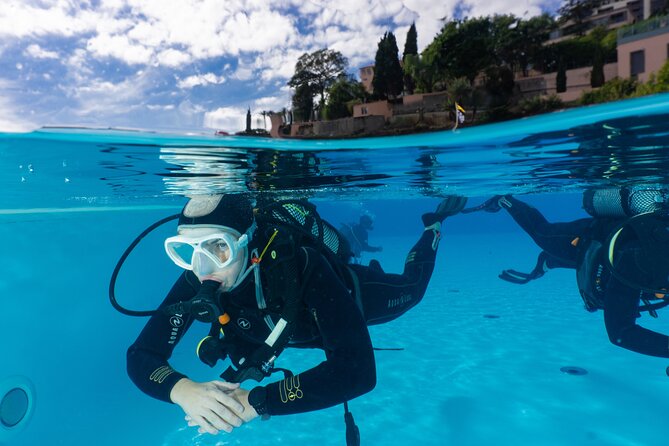
This is built for people who are new to scuba and want real skills, not just a quick thrill. You start with a safety and equipment orientation, then you practice in a pool to get your body and gear to cooperate. Only after that do you go out for your first shallow reef time around the Madeira area.
The learning goal is simple: you should be able to breathe comfortably through the regulator, control your buoyancy without panicking, and handle small moments like a little water in the regulator. The best part for first-timers is that you’re not expected to magically perform underwater right away. You learn the system step-by-step, then the sea session becomes a chance to use it.
If you’re the type who gets nervous about unfamiliar gear, this is a good match. When you’ve already practiced in a pool setting, the ocean feels less like a test and more like an application.
You can also read our reviews of more scuba diving tours in Madeira
Where You Meet (and Why Location Helps)
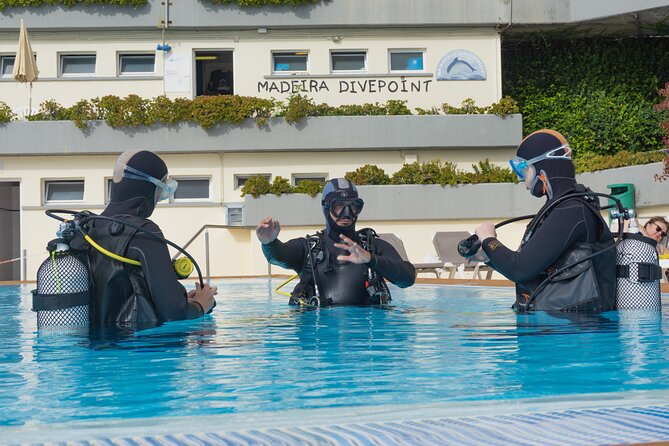
You meet at Madeira Divepoint, at Largo Antonio Nobre 1, in the Hotel Carlton area (São Martinho, Funchal). The session ends back at the same meeting point, so you’re not scrambling across town afterward.
I like that this is near public transportation. It makes the day easier if you’re staying in Funchal and don’t want to plan a taxi around a short 3-hour activity. Also, there’s no hotel pickup or drop-off, so you’ll want to show up on your own with a little extra buffer time.
The tour uses a mobile ticket, and you should receive confirmation at booking. Keep an eye on your email and have your phone ready when you arrive.
The Gear + Safety Briefing: Where Confidence Begins
Before any water time, you get an introduction to what can go wrong and how to respond. In the reviews, this part gets praise for being thorough, and that matters because fear often comes from not knowing what’s normal.
You’ll go through the core basics: how the scuba equipment works, breathing through the regulator, and what to do if something feels off. You’ll also learn positioning and basic techniques like how to manage mask filling and regulator situations while staying calm.
This is also where you’ll hear the key safety message: follow the instructor and don’t try to brute-force your way through underwater breathing. First-timers who get frustrated tend to tense up, and tension makes buoyancy harder. A calm start is the whole game.
Pool Practice: The Stage That Makes or Breaks Your Sea Session
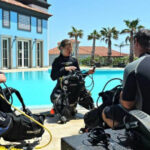
Your pool time is where you build real muscle memory. You practice breathing with the regulator, floating, and controlled movement while learning how to use your body instead of flailing with your hands. You’ll also practice skills like sinking and managing buoyancy, plus short drills that make the equipment feel less foreign.
The pool session is also where instructors can spot who needs more repetition. One review highlighted how clean the pool area was inside a hotel, with changing rooms, showers, and even hot water—small comfort details that make you feel human before you get into gear.
A practical note: some equipment might not be brand new, but the experience is described as clean. That’s reassuring if you’re picky about hygiene.
What It’s Like Underwater Around the Shallow Reef
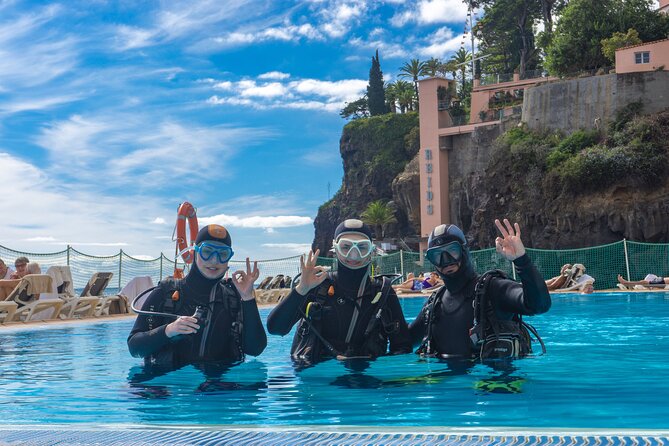
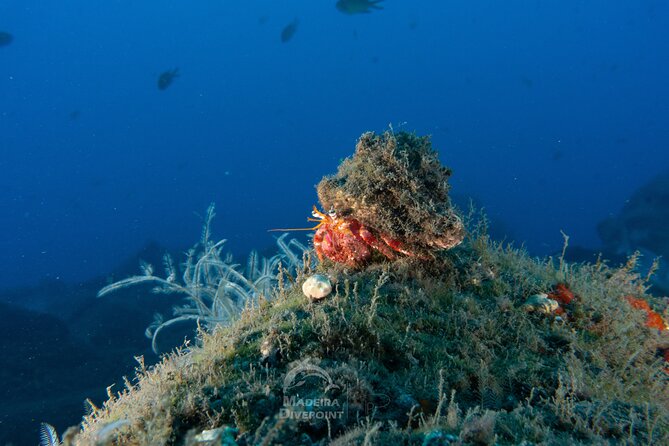
Once your pool skills feel steady, you head to the sea for an underwater experience around a shallow reef. The highlight is the variety you can see at beginner-friendly depth: colorful fish, coral formations, and the chance to spot marine life like octopus (mentioned in reviews) as conditions allow.
The operator’s site includes its own private reef, which is a big deal for beginners. It tends to mean you’re not dealing with chaotic boat traffic or unpredictable deep-water entry. You can focus on using your training rather than fighting the environment.
That said, one honest consideration: ocean visibility and wave conditions can change the feel of the experience. If the sea is choppy, you may have a tougher time with stability and ear equalization. One less-positive account described strong waves and limited visibility, which reduced what they could comfortably enjoy.
This isn’t something you can control, so the best move is to listen carefully during the safety briefing and speak up immediately if you feel unwell, panicky, or in pain.





Ear Equalization and the Pace: Your Comfort Checklist
For many first-timers, the hardest part isn’t the equipment—it’s equalizing ears. Your orientation includes how to handle equalization underwater, and you’re advised to go down slowly so your ears can adjust.
Here’s my practical advice: if you notice ear discomfort, don’t try to “tough it out” silently. Tell your instructor right away. In one positive experience, the instructor stayed calm during a panic moment caused by water in the regulator and practiced again so the diver could enjoy the session.
In a negative experience, ear pain became intense when the person felt the descent pace was too fast. I can’t predict what you’ll feel, but I can tell you what to do: if you need more time at the surface or extra repeats in the pool, ask for it during instruction. Your comfort should guide the pace more than anyone’s schedule.
Meet the Instructors: Why People Feel Safe
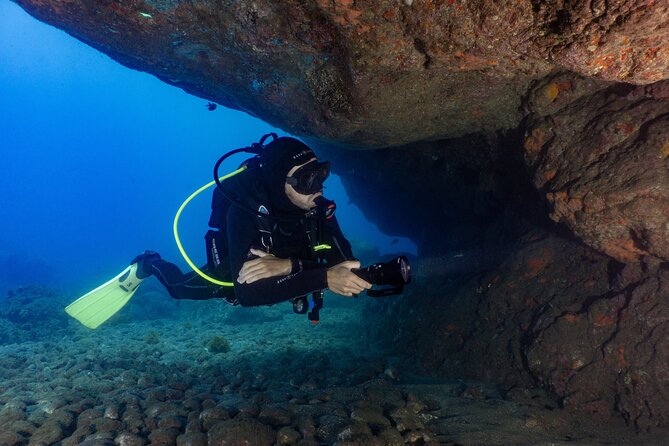
In this experience, instructors are the difference between a fun first attempt and a stressful one. The reviews repeatedly praise patience and professionalism, especially around helping beginners feel safe.
A standout name is Miguel. Multiple reviews call him helpful, friendly, and excellent with first-timers. One person described how Miguel explained equipment and breathing, helped them adjust to the regulator, and responded calmly when panic hit during the ocean part.
That’s a very real point: scuba isn’t only technical. It’s emotional. When you trust the person controlling the learning flow, you breathe better and you learn faster.
Also, the group includes up to 8 people, so the instructor can’t focus on one person forever—but the small size still helps.
Small Practical Details That Matter (More Than You Think)
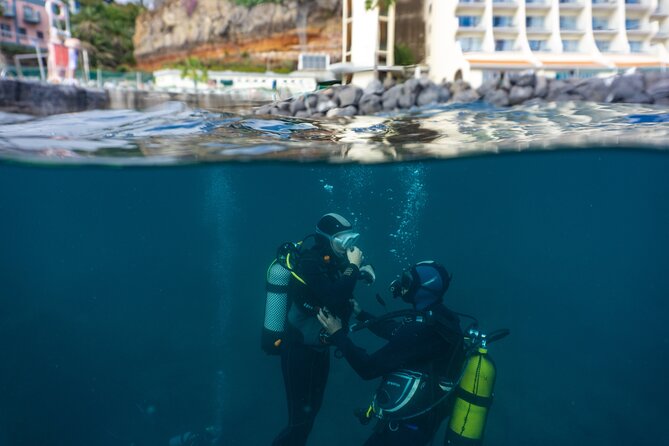
A few things in the reviews add up to a better experience day-to-day:
- Clean facilities: hotel pool, showers, and changing rooms are described as clean.
- Hot showers: it’s not glamorous, but it helps you feel ready afterward.
- Equipment hygiene: even if not all gear is brand new, it’s described as clean.
- Team customer service: on a day with bad weather, the operator called to offer a different time/date for better visibility.
You’ll also want to plan what you wear and bring. The tour doesn’t list a provided towel or clothing, so wear something you can rinse quickly. Bring a change of clothes for after, and protect your phone and valuables from spray.
Price and Value: Is $54.31 Worth It?
At about $54.31 per person for around 3 hours, this is a budget-friendly way to test scuba with real coaching. For that price, you’re getting more than equipment rental. You’re paying for safety training, an instructor, and insurance coverage.
What you should weigh:
- Included: scuba equipment, a PADI instructor, safety/training session, and the sea experience when you choose the ocean option, plus full insurance.
- Not included: hotel pickup/drop-off and food and drinks.
So the value is strongest if you can get to the meeting point easily on your own. If you need a taxi both ways, the total cost will be higher—but you’ll still likely come out ahead versus paying separately for instruction and equipment.
Also, consider what you’re buying mentally. A first scuba experience is often stressful. Having pool practice plus instructor support reduces that stress, which is hard to measure but easy to feel.
Who Should Book This (and Who Should Think Twice)
This fits best if you:
- are 10 or older for the ocean session (pool is from 8+)
- want a guided, beginner-first introduction
- like learning in a structured way: theory + pool + shallow sea
- appreciate a calm instructor who stays close
You should think twice if:
- you have ear equalization problems or conditions that might make pressure changes difficult (the experience notes people with pre-existing medical conditions, but it doesn’t say they’ll make exceptions—so check with your doctor and be honest with the instructor)
- you’re prone to panic in water or can’t follow instructions quickly
- you’re worried about choppy sea days. The experience requires good weather, and conditions affect comfort and visibility.
If you’re unsure, go in with one goal: ask for what you need during training. The pool is where you earn your confidence.
Should You Book This Beginner Scuba Experience in Funchal?
I’d book it if you want a real beginner pathway: equipment basics, a pool reset, and then a shallow reef session with an instructor nearby. The small group size, the attention to safety, and the repeated praise for patient coaching—especially the Miguel mentions—make it a solid choice for first-timers.
Just go in with smart expectations. If the sea is rough, visibility can drop. If your ears are sensitive, speak up early and ask for slower pacing. And after your underwater session, plan ahead: no flying for 12 hours.
If you can handle those realities, this is one of the more practical ways to try scuba in Madeira without guessing your way through it. And when it clicks, you’ll come away with skills you’ll actually use next time.
FAQ
How long is the scuba experience in Funchal?
It runs for about 3 hours.
Do I need previous scuba experience?
No. It’s designed as an introduction for beginners, with an orientation plus pool practice before the sea session.
What ages can participate?
The pool session is for ages 8 and up. The ocean session is for ages 10 and up.
What’s included in the price?
Included are scuba equipment, a PADI instructor, safety and training, the sea portion when the ocean option is selected, and full insurance.
Is hotel pickup included?
No. Hotel pickup and drop-off are not included.
Where do I meet, and how does it end?
You start at Madeira Divepoint at Largo Antonio Nobre 1, in the Hotel Carlton area (São Martinho, Funchal). It ends back at the meeting point.
Can I fly after the experience?
No. You must avoid flying for 12 hours after the underwater activity.
What if the weather is bad?
This experience requires good weather. If it’s canceled due to poor weather, you’ll be offered a different date or a full refund.