REVIEW · FUNCHAL
Funchal: Sacred Art Museum of Funchal Entry Ticket
Book on GetYourGuide →Operated by Museu de Arte Sacra do Funchal · Bookable on GetYourGuide
Religious art in Funchal, in one tidy hour. I love the chronological journey from Gothic to Baroque, and I love seeing how sacred objects like sacred silver sit side by side with paintings and textiles. One catch: if you assume it’s automatically guided, you’ll want to confirm you picked the guided tour option.
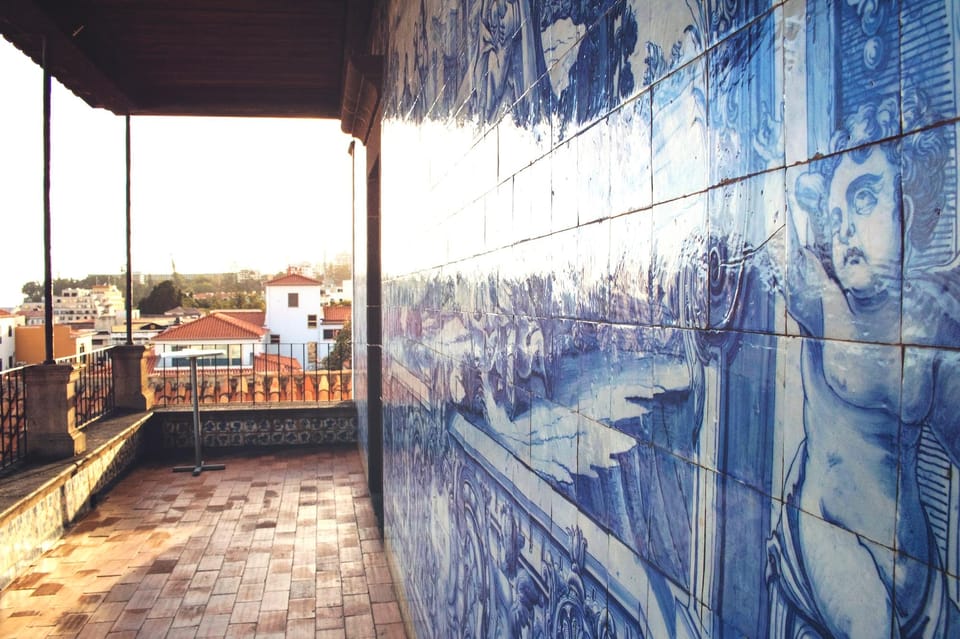
This museum is a smart choice when you want meaning, not just decoration. The building has real architectural charm, and there’s a terrace where the view makes you pause before you move on. If you’re short on time, the 50 minutes can feel like a well-aimed plan instead of a rushed sprint.
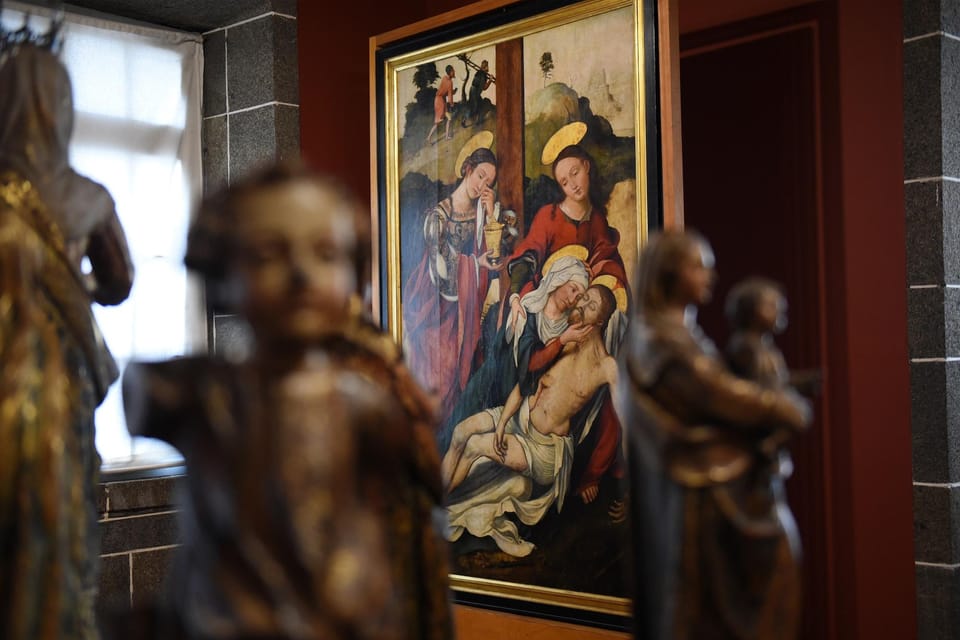
Inside, you’re looking at Portuguese religious painting and sculpture spanning the 15th to 18th centuries, with an approach that helps you track changing styles. Choose a free visit at your own pace or a Portuguese and English guided tour in a small group, which is especially handy if you like context as you go.
In This Review
- Key things to know before you go
- Sacred Art Museum of Funchal in plain terms: what you’re paying for
- How to fit 50 minutes into your Funchal day
- The chronological walk you’ll actually notice: Gothic to Baroque
- Portuguese painting, sculpture, and sacred textiles: what to focus on
- The building and terrace: a quick pause with a view
- Guided tour vs self-guided: choose based on how you like to learn
- Value check: is $11 worth it on Madeira?
- Who should book this museum, and who might skip it
- Should you book? My decision guide
- FAQ
- How long is the visit?
- Is the Sacred Art Museum of Funchal self-guided or guided?
- What languages are available for the guided tour?
- What is included with the ticket?
- How much does it cost?
- Is a small group available?
- Can I get a refund if my plans change?
- Do Madeira residents pay less?
Key things to know before you go
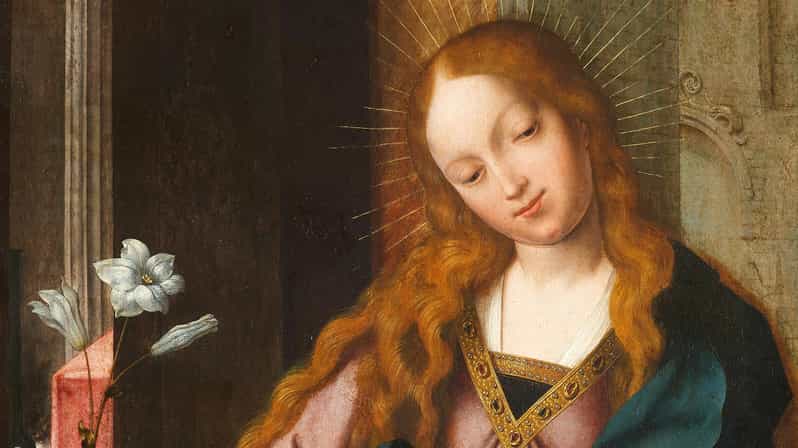
- Five centuries of Madeira sacred art in one focused stop, with items that run beyond just paintings.
- A chronological route that helps you see how styles shift from Gothic to Baroque.
- More than paintings: you’ll also find sculpture, sacred silver, and religious textiles.
- Pick your mode: self-guided works if you want quiet time; guided works if you want explanations.
- The building and terrace matter: a quick break outside can be worth it on its own.
Sacred Art Museum of Funchal in plain terms: what you’re paying for
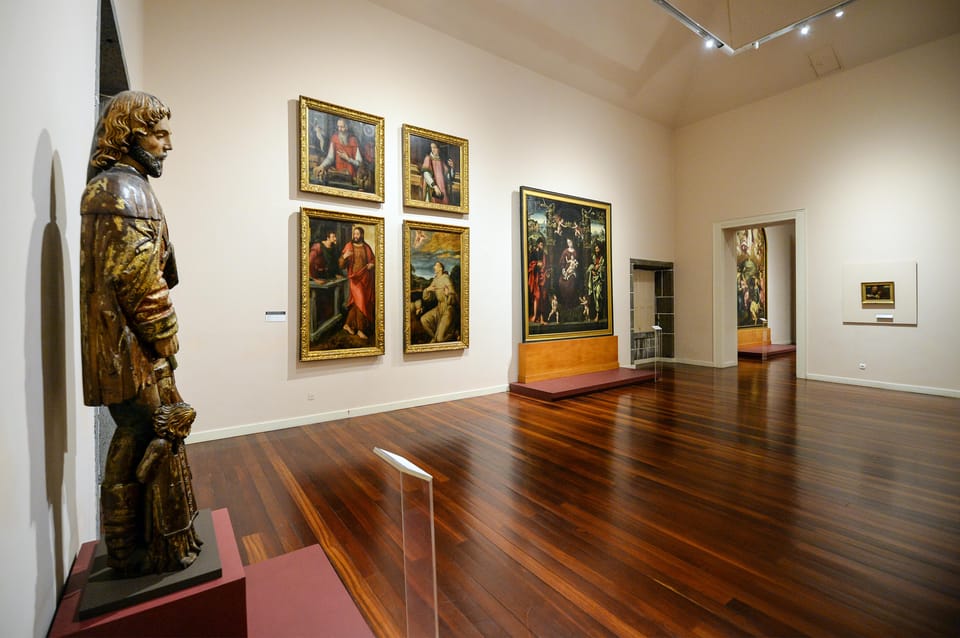
The Sacred Art Museum of Funchal is an entry-ticket experience priced around $11 per person, and it’s designed to be a doable visit even if your Madeira day is already packed. The stated time is about 50 minutes, which is a gift: you can fit it between other sights without turning the day into a logistics puzzle.
Your ticket includes entry, and the guided portion is only added if you selected that option. That distinction matters, because one of the most common reasons people feel disappointed with small museums is expecting a guided talk when they booked self-guided. If you want a live guide to walk you through the style changes and symbols, choose the guided version on purpose.
Language options are Portuguese and English, and the guided format is described as a small group, which usually means less waiting and fewer awkward “is this person looking at the same thing?” moments. Overall, the museum feels built for a calm pace rather than a fast-moving crowd.
You can also read our reviews of more tours and experiences in Funchal.



How to fit 50 minutes into your Funchal day
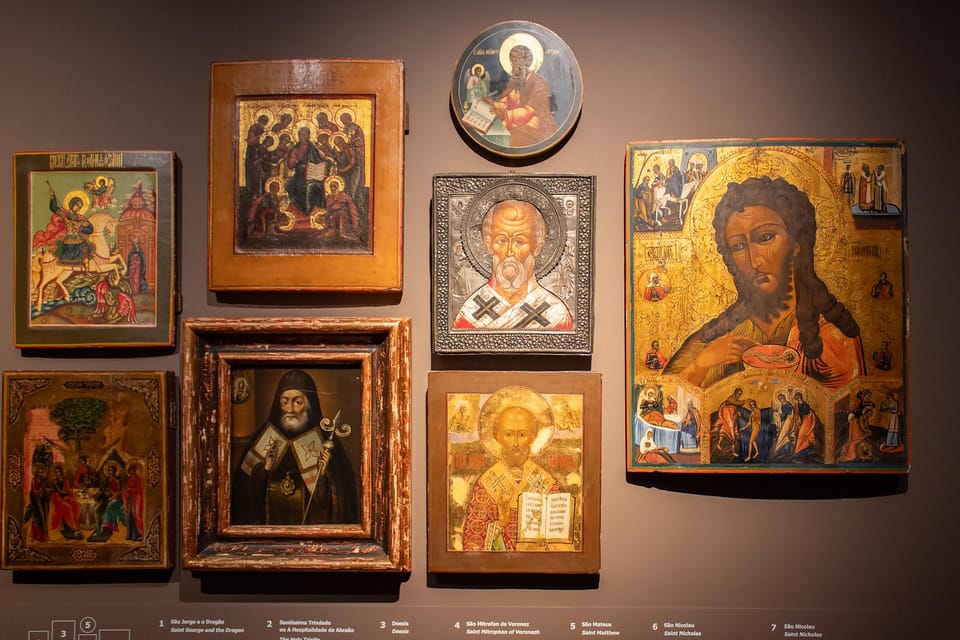
Funchal is the kind of place where you can stack half a dozen small stops and still feel like you didn’t “do enough.” This museum helps fix that problem. Because the visit runs about 50 minutes, you can treat it like a cultural coffee break: structured enough to feel worthwhile, short enough to keep your energy.
Here’s how I’d plan it in a way that keeps you from rushing:
- Go with a clear expectation: you’re there for religious art and textiles, not a hands-on “activity” museum.
- Give yourself a little buffer at the end, so you can slow down if something grabs you.
- If you like views, plan a quick stop on the terrace after the galleries rather than trying to do everything at once.
If your schedule is tight, you’ll appreciate the time limit. If you like going deep, the time can still work—you can linger in the rooms that interest you most and skim the rest. The museum’s chronological setup makes that easier than you might think.
The chronological walk you’ll actually notice: Gothic to Baroque
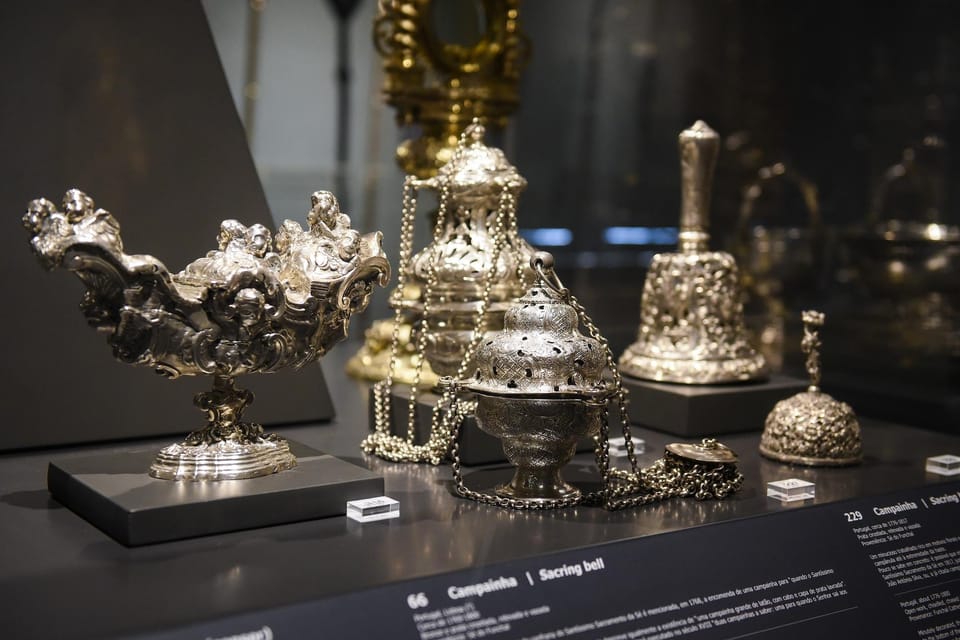
One of the best parts of this museum is its structure. Instead of showing objects randomly, it uses a timeline approach so you can sense how artistic expression changes across centuries. You start in the Gothic world and work toward Baroque, with the shift feeling both obvious and surprisingly personal—like you’re watching a language evolve.
As you move through the rooms, pay attention to how the figures and compositions feel. Gothic-style works often strike a more rigid, formal posture. Baroque art tends to feel more dramatic, with movement and emotion dialed up. Even if you don’t consider yourself an art person, your eye will start making connections fast.
Another detail worth watching for: the museum highlights the influence of Renaissance Humanism on Flemish and Italian art. That’s useful because it explains why certain works can feel both local and part of a wider European conversation. In a museum like this, context makes the objects easier to understand, and it helps you spot patterns without needing an art degree.
Portuguese painting, sculpture, and sacred textiles: what to focus on
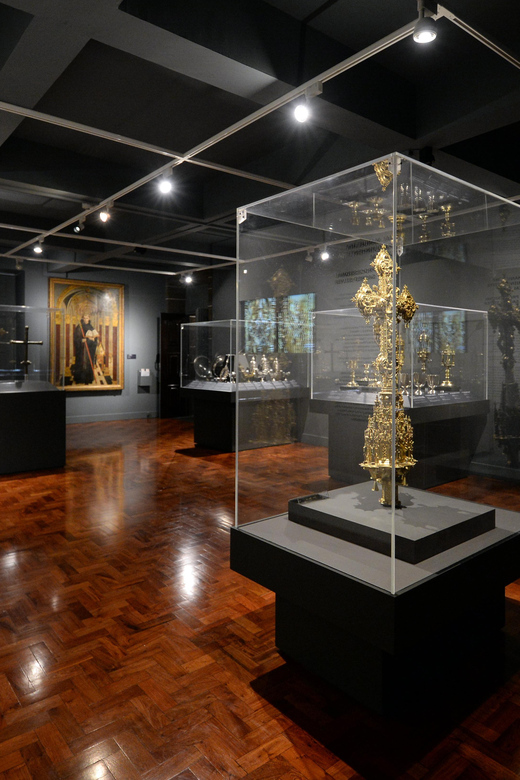
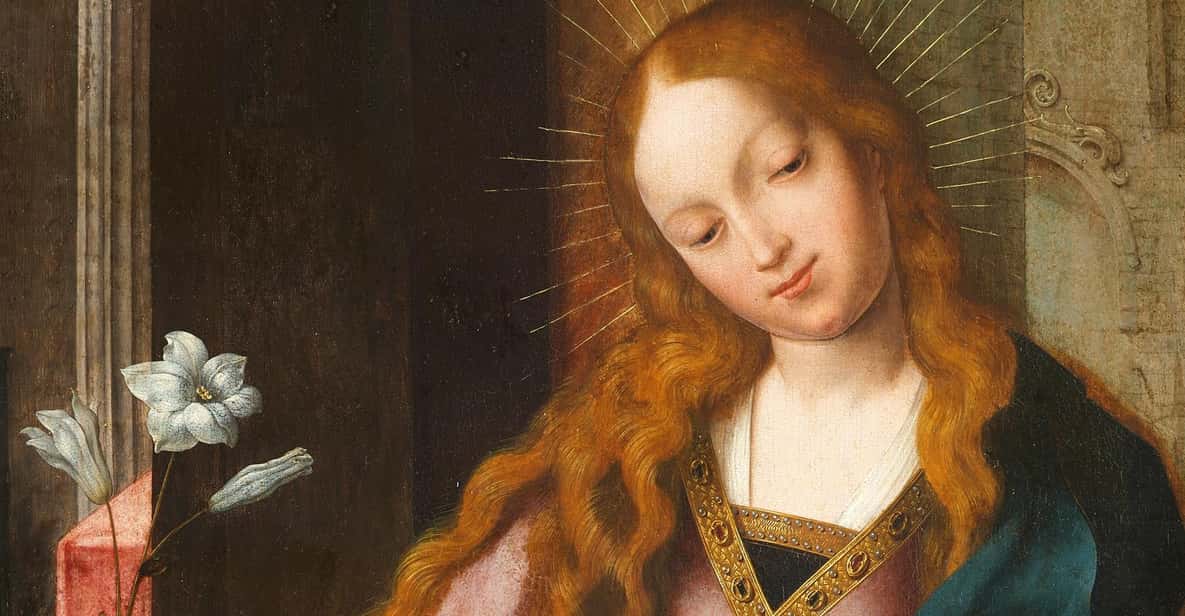
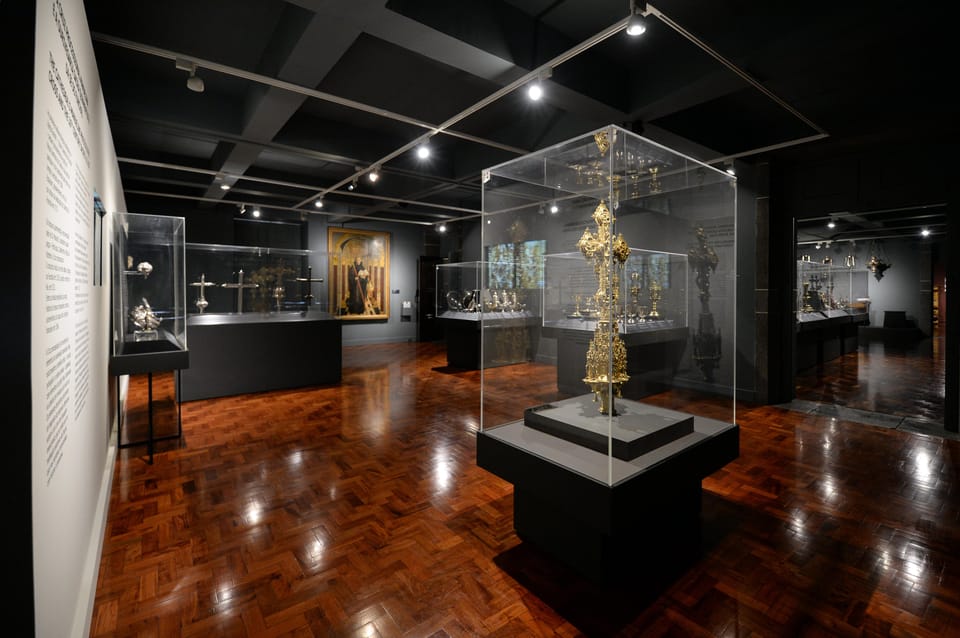
This is not just a gallery of framed religious images. The museum’s range is listed as painting, sculpture, sacred silver, and religious vestments and other textiles. That mix is a big deal, because it changes how you experience “religious art.”
Paintings often grab you first—especially when you’re trying to read scenes and symbols quickly. Sculpture can feel more immediate in a different way, because you’ll notice shape, volume, and how a figure’s presence changes as you move around it. Sacred silver adds a different sensory layer: even when you’re viewing indoors under museum lighting, you can still get a sense of craftsmanship and the value placed on materials.
Textiles and vestments are the wildcard that make this museum memorable. They connect art to daily use, ceremony, and status. If you care about the “Madeira” angle, textiles also help you understand that faith wasn’t only about big moments; it was carried in clothing, rituals, and objects that people handled and preserved.
Practical tip: when you enter a room, pick one category to focus on for 2–3 minutes—painting first, then sculpture, then textiles. It keeps you from wandering and thinking you’ve “seen everything” when you actually only skimmed.
The building and terrace: a quick pause with a view
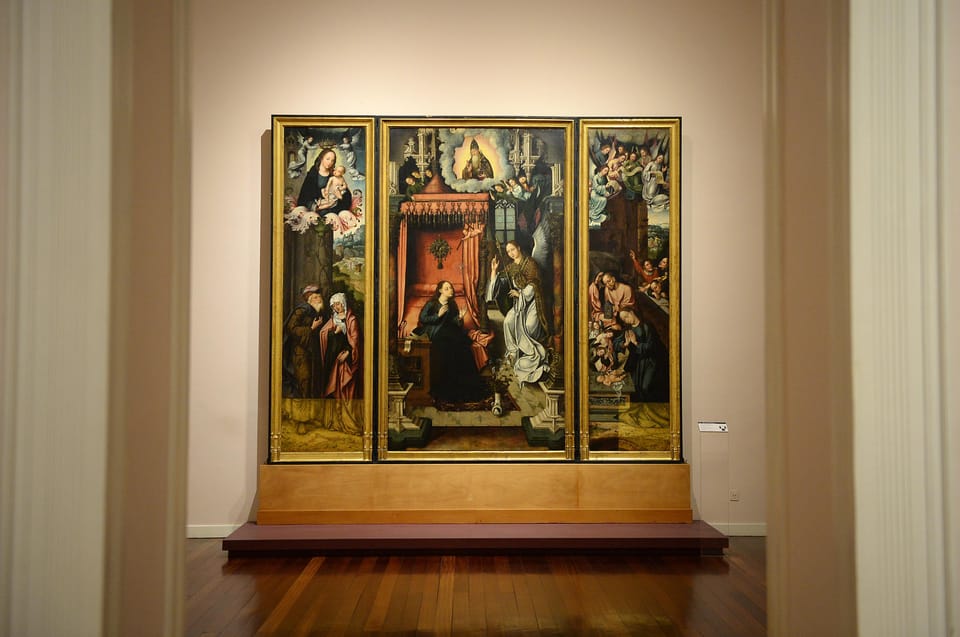
The museum isn’t just about what’s on the walls. The architectural beauty of the building is part of the experience, and you’ll feel it most when you stop long enough to look up and around. Even if you’re moving with purpose, slow down for a minute—museums in historic buildings often reward that small habit.
Then there’s the terrace. One visitor specifically mentioned that the terrace view was worth the price by itself. That’s a strong signal: don’t treat the terrace as optional trivia. If the weather is cooperative, plan time to step outside after your indoor viewing.
If you’re traveling on a tight timeline, here’s the way to do it without losing momentum:
- Finish your main rooms first.
- Spend 5 minutes on the terrace.
- If you still want more time indoors, return for your favorite room once more.
This approach keeps the terrace from stealing time from the art, while still giving you the “wow, this is nice” moment that makes the visit feel complete.
You can also read our reviews of more museum experiences in Funchal


Guided tour vs self-guided: choose based on how you like to learn
You have two modes here: a free visit at your own pace, or a guided tour. That sounds simple, but it changes the entire feel of the museum.
If you go self-guided:
- You can move at your own speed room to room.
- You can pause where your eye lands.
- You can decide how much you care about the timeline at that moment.
If you choose the guided tour:
- You get a live guide (Portuguese or English).
- You’re more likely to notice the timeline logic and the reasons styles shift.
- It can help you understand why an object’s style or material matters, not just what it looks like.
There’s also a small-group format, which usually makes guided visits less chaotic. Still, do yourself a favor: if you want guidance, pick the guided option clearly. One booking outcome described a situation where the tour wasn’t guided, which fits perfectly with the museum’s policy that guided service is only included when selected.
My rule of thumb: choose guided if you like explanations while you walk. Choose self-guided if you prefer quiet looking and don’t want to stick to a group rhythm.
Value check: is $11 worth it on Madeira?
For about $11 a person, this museum offers solid value because it hits three practical needs at once:
- It’s short enough to fit your day (50 minutes).
- It covers a wide set of object types (painting, sculpture, silver, textiles).
- The chronological approach gives structure, so you don’t leave thinking you saw a collection but didn’t understand it.
Where value can feel better or worse depends on your style of travel. If you love art and want context, the guided option can make the ticket feel like a bargain because a good guide turns items into stories. If you’re mostly checking it off, self-guided still works, but you’ll benefit most if you slow down and pay attention to the timeline changes.
One more practical note: the information you have says residents of Madeira can access reduced prices not available on this type of booking. So if you’re not a resident, you’re paying standard pricing. Even then, the museum’s focus and time length keep it from feeling overpriced.
Who should book this museum, and who might skip it
This is a great fit if:
- You like Portuguese religious art and want something more specific than generic “historic buildings.”
- You enjoy museums that organize objects by time period and style.
- You’re curious about materials and craftsmanship, especially silver and textiles.
- You want a low-stress, half-hour-plus stop with a view afterward.
It might be less satisfying if:
- You dislike religious art and symbolism in general.
- You need lots of interactive exhibits or big hands-on activities.
- You’re the type who wants a full afternoon museum experience. The museum is compact by design.
That said, even if you’re not a museum fanatic, the five-century focus and timeline route make it easier to enjoy without feeling overwhelmed.
Should you book? My decision guide
Book this entry ticket if you want a calm, structured art stop in Funchal that doesn’t swallow your whole day. The combination of Portuguese sacred works across centuries, a chronological style route, and the option for a guided explanation makes it a strong cultural add-on. If the terrace view matters to you, plan your time so you actually get outside before you rush back to your next stop.
Don’t book it if you’re looking for a long, wander-all-day museum. And if you care about a guide, select the guided option on purpose so you don’t end up with a self-guided experience when you were expecting commentary.
FAQ
How long is the visit?
The visit duration is listed as 50 minutes.
Is the Sacred Art Museum of Funchal self-guided or guided?
You can choose between a free visit at your own pace or a guided tour if the guided option is selected.
What languages are available for the guided tour?
The guided tour is available in Portuguese and English.
What is included with the ticket?
The ticket includes entrance to the Sacred Art Museum of Funchal. A guided tour is included only if you selected the guided option.
How much does it cost?
The price is listed as $11 per person.
Is a small group available?
Yes, the guided option is described as a small group.
Can I get a refund if my plans change?
Free cancellation is available up to 24 hours in advance for a full refund.
Do Madeira residents pay less?
Residents of Madeira have reduced prices not available on this booking platform.