REVIEW · CANHAS MADEIRA
Madeira: Bolo do Caco Workshop with a Local Family
Book on GetYourGuide →Operated by Casa da Nati · Bookable on GetYourGuide
Bread baking in a real Madeira home. This Bolo do Caco workshop pairs hands-on dough work with a warm, family-style meal in a kitchen built around a rustic wood-fired oven. I especially like that you’re not watching from the sidelines, and I also like the tiny group size—it feels more like being welcomed than being processed.
The one thing to plan for: you’ll get your hands dirty and likely work close to heat, so wear comfortable clothes you don’t mind getting flour on.
In This Review
- Key Moments You’ll Remember
- Why Bolo do Caco Changes When You Make It
- Casa da Nati’s Family Kitchen and the Wood-Fired Oven Effect
- 40+ Years of Baking Experience in a Group of 4
- A Real 3-Hour Flow: History, Dough Work, Stone Baking, Then the Table
- 1) Welcome and the story behind Bolo do Caco
- 2) Roll up your sleeves: knead and shape by hand
- 3) Stone cooking: the smell hits fast
- 4) Eat together: garlic butter, cheese, chouriço, and fruit
- What You’ll Eat: Madeiran Comfort, Not Just Bread Samples
- A practical food tip
- Price and Value: What $49 Buys You Here
- Where It Fits: Who Should Book This (and Who Might Prefer Something Else)
- Practical Tips for a Smooth Arrival at House 22
- Should You Book Casa da Nati’s Bolo do Caco Workshop?
- FAQ
- How long is the Bolo do Caco workshop?
- How many people are in the group?
- Where do I meet for the workshop?
- What language will the instructor speak?
- What is included in the workshop price?
- Is there anything I should bring or wear?
- Can kids or babies participate?
- Can I cancel and get a refund?
Key Moments You’ll Remember
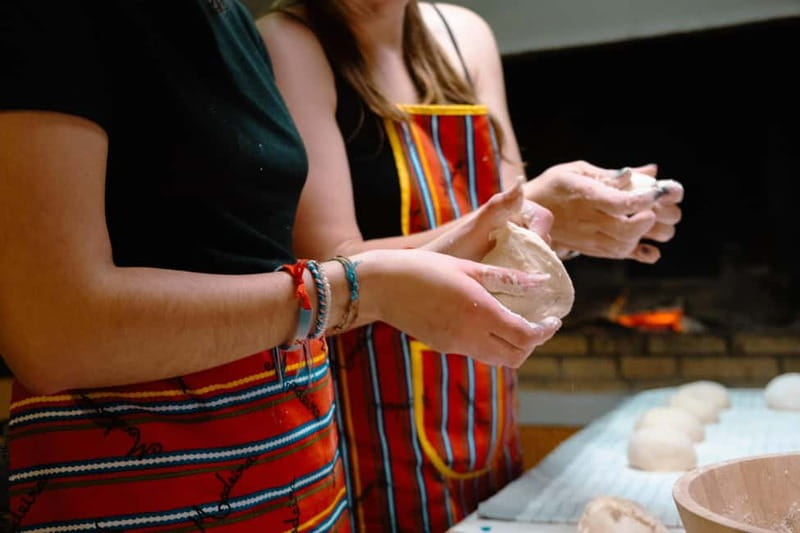
- Wood-fired oven and hot stone cooking that explain why this bread is so distinctive
- Hands-on shaping and kneading so you learn by doing, not just listening
- Small group of up to 4 people, which keeps the pace relaxed and personal
- Family-run welcome in a home setting, with stories and laughter at the table
- Fresh fruit from the garden plus classic pairings like garlic butter, cheese, and chouriço
Why Bolo do Caco Changes When You Make It
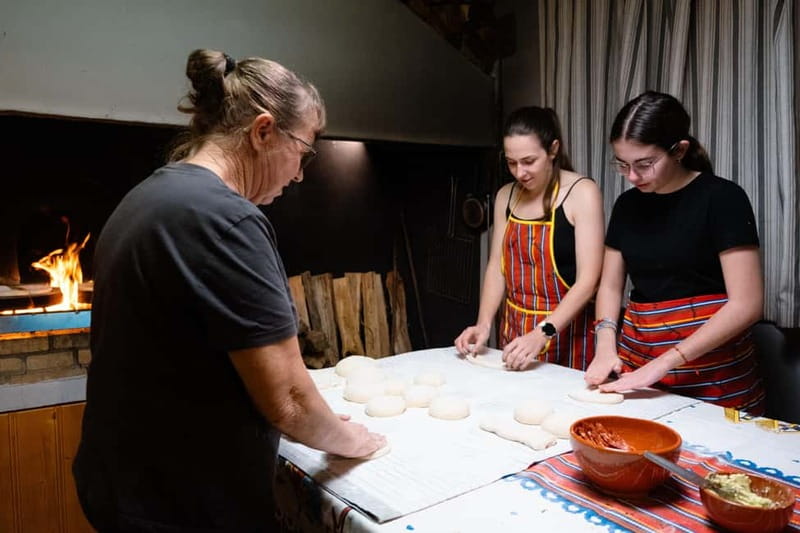
Bolo do Caco is Madeira’s classic bread, but it’s the kind of food you can’t really understand from a menu. When you shape it by hand and hear the dough respond, the whole thing clicks: this bread is about method. The stone heat, the thick, flat shape, and that unmistakable chew all come from doing it the traditional way.
I like that this workshop doesn’t treat the bread like a prop. You start with history and cultural context, so you’re not just learning a recipe. Then the focus turns practical—kneading, shaping, and cooking—until the bread is sitting in front of you smelling like Madeira.
Also, the meal part matters. Bolo do Caco on the island usually lives a second life at the table, with garlic butter and local specialties. Here, you’re not eating a bread sample in a hurry. You get a proper sit-down to connect the baking to the flavors you actually came for.
One small caution: if you’re expecting a big “show,” this is calmer. It’s a home experience. The upside is the warmth. The trade-off is that the surroundings feel simple and lived-in.
Casa da Nati’s Family Kitchen and the Wood-Fired Oven Effect
The meeting point is House number 22, described as the last house on the street. You’ll step into the garden, head to the back of the house, and call out a simple hello to let them know you’ve arrived. That alone sets expectations: this isn’t a hotel classroom. It’s a family home.
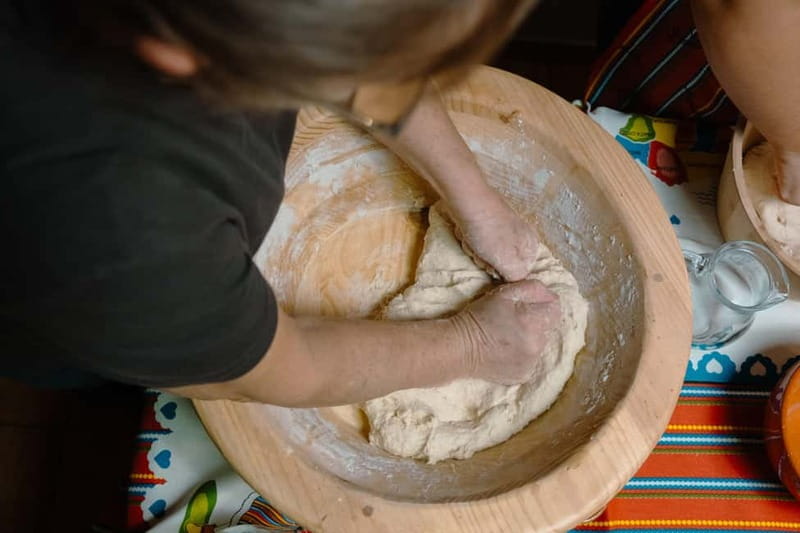
Inside, the star is the cooking setup. You’ll learn in an atmosphere built around a rustic wood-fired oven and stone baking. Even if you’ve cooked before, there’s something different about working near wood heat and using stone. It’s more hands-on than a typical bakery tour, and it helps you understand why this bread tastes the way it does—because it’s cooked with the kind of steady, intense heat traditional methods deliver.
The setting also adds a big “Madeira feel.” The experience is described as taking place with a backdrop of the mountains. That matters more than you’d think: you’re not stuck in a generic food hall. You’re in a kitchen where people actually live, cook, and host.
And because the host team guides you in a friendly, family style, you’ll likely ask questions you didn’t know you had—like what makes the shaping important, or why certain pairings are such a big deal here. You’ll leave with more than a full stomach. You’ll have new food instincts.
40+ Years of Baking Experience in a Group of 4
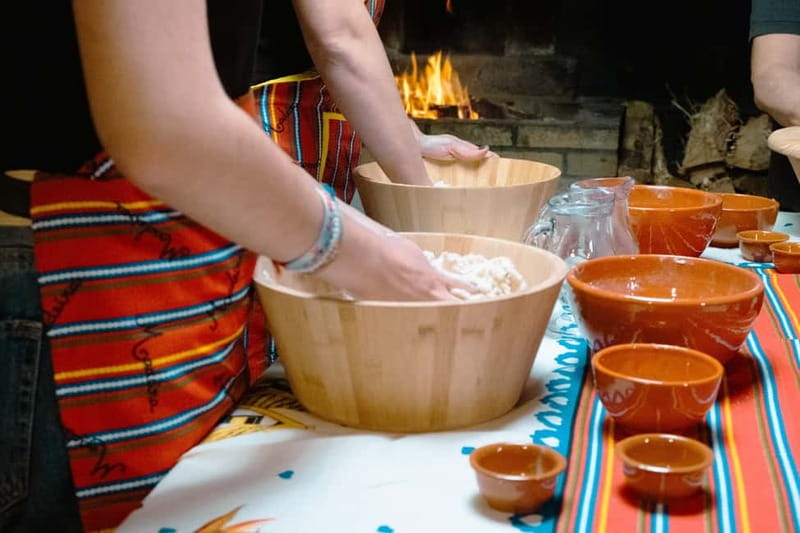
The guide is the kind of person you hope for when you book a small workshop: an experienced baker—described as the host’s mother with over 40 years of bread-making expertise. That matters because traditional bread isn’t just ingredients. It’s feel. It’s timing. It’s knowing when dough has the right texture and when to shape it a certain way.
The group size is limited to 4 participants, which keeps the lesson from becoming a lecture. You get room to work, ask questions, and actually participate. For food experiences, small groups are where value shows up: you learn more, you wait less, and you don’t feel rushed.
The workshop also runs in Portuguese, English, and Spanish, so you should be able to follow comfortably. That’s a practical point—bread-making is tactile. When instructions are clear, you can focus on doing it right rather than translating in your head.
If you’re someone who likes authentic travel—learning through hands-on moments—this format is exactly the sweet spot.
A Real 3-Hour Flow: History, Dough Work, Stone Baking, Then the Table
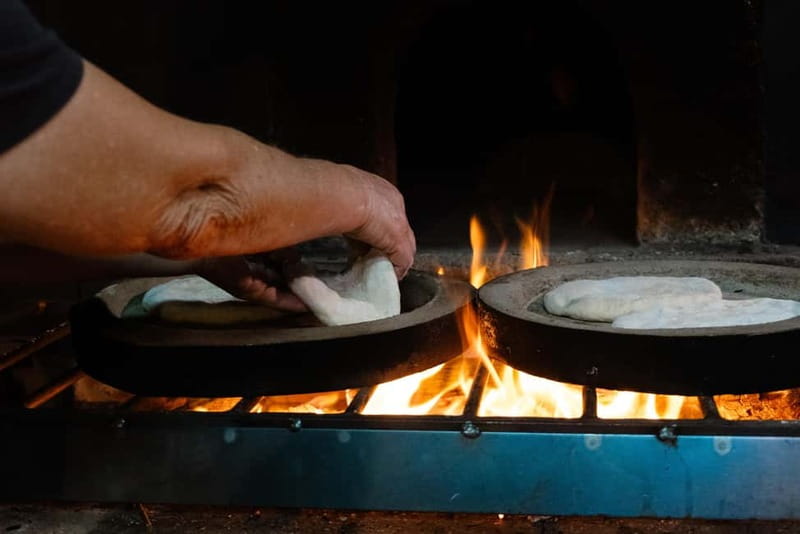
This experience runs about 3 hours, and you’ll usually see different start times depending on availability.
Here’s how the time typically feels:
1) Welcome and the story behind Bolo do Caco
You’ll begin by stepping into their home and learning about the bread’s history and cultural significance. This isn’t just trivia. It sets the stage for why you’re making the bread the way you’re making it.
2) Roll up your sleeves: knead and shape by hand
Then comes the part you’ll remember: kneading and shaping. You’ll work with the dough rather than just watching hands do the work. The shaping is hands-on, and it’s where you learn that this bread has a specific form for a reason.
3) Stone cooking: the smell hits fast
As the bread cooks on a hot stone, the kitchen atmosphere changes instantly. You get that warm, wood-heat feeling and the smell of fresh baking. This is one of those food moments that makes you understand why locals don’t think of bread as a side dish.
4) Eat together: garlic butter, cheese, chouriço, and fruit
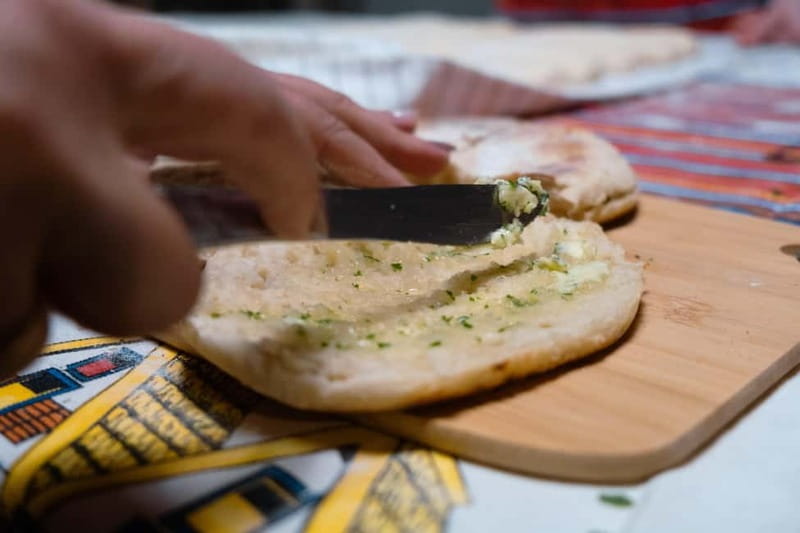
When the bread is ready, you’ll gather around the table. The meal is described with classic Madeira-style pairings: garlic butter, Portuguese cheese, and chouriço. You’ll also have fresh fruit picked from the trees in their garden.
One extra detail that’s worth knowing: the experience notes that if they have it, you can taste something extra. That’s the kind of small hospitality touch that makes a home meal feel alive, not scripted.
If you want a “can’t-do-that-at-home” souvenir, this is it—warm bread plus the local flavor combinations that turn it into a full Madeira snack or meal.
What You’ll Eat: Madeiran Comfort, Not Just Bread Samples
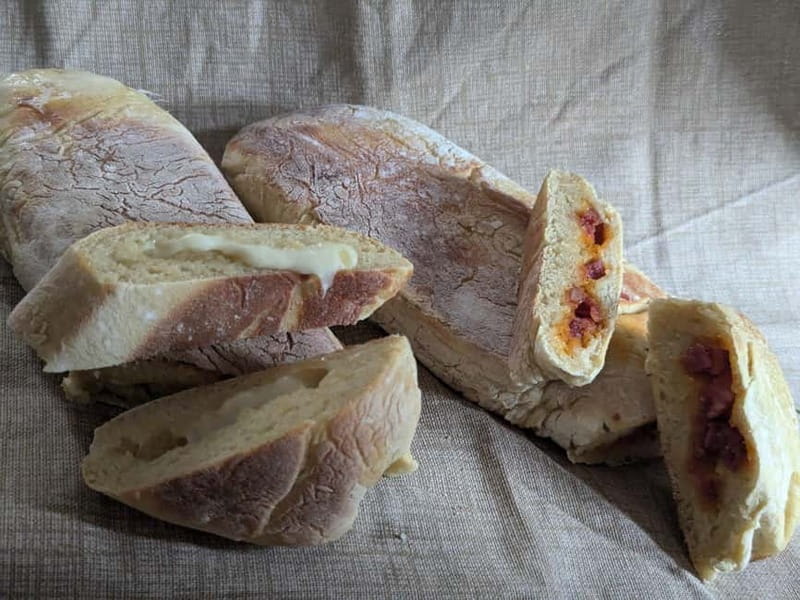
The bread is the headline, but the pairings are what make it feel local.
You’ll be eating bolo do caco with:
- Garlic butter (classic and simple, but it’s how the bread shines)
- Portuguese cheese (salty, creamy, and made for bread)
- Chouriço (smoky, savory, and very Madeira in spirit)
And then there’s the fruit. You’ll get fresh fruit picked from the garden. One past experience described taking home tangerines and leaving with a lot of the bread they made—so if you like planning ahead for snacks on hikes, ask what you can take with you.
What this means for you: you’re not just learning the mechanics of baking. You’re learning how locals eat this bread—what they reach for, what they love with it, and how bread becomes part of the day, not just a cooking class item.
A practical food tip
If you’re the type who likes to work up an appetite, plan to do this before a big meal elsewhere. The workshop meal is meant to feel satisfying, with multiple flavors and fruit on the side.
Price and Value: What $49 Buys You Here
At $49 per person for about 3 hours, this workshop sits in the “worth it if you care about food” category. Why?
- You’re paying for instruction from a bread specialist with decades of experience.
- You get hands-on participation, not passive viewing.
- The price includes ingredients and utensils, plus food and drinks eaten with what you bake.
- You also get fresh fruit from their garden, which is the sort of detail that quickly separates this from a generic tasting.
If you compare it to the cost of a decent meal plus a cooking-focused activity, the math becomes clearer. You’re not paying only for bread—you’re paying for a full, guided experience that adds meaning. It’s also good value because the group is tiny (up to 4), which usually means less time waiting around and more time learning.
For budget planning, I’d think of this as a single-event “Madeira food day” that you don’t have to assemble yourself.
Where It Fits: Who Should Book This (and Who Might Prefer Something Else)
This workshop is a strong match if you:
- want authentic Madeira food beyond restaurants
- like hands-on activities where you learn by doing
- enjoy small groups and conversations with locals
- want a calm, homey experience rather than a crowded tour
It may be less ideal if you:
- need a very structured, timed “factory-style” tour
- get uncomfortable around active cooking heat and flour
- expect high-tech or studio-like facilities
Kids are welcome, including babies, with enough space for them to play without disrupting the group. If you’re traveling with family, that’s a nice reassurance.
If your travel style is “I want one memorable food lesson” rather than “I want to tick off 10 sights,” this is one of the better calls you can make on Madeira.
Practical Tips for a Smooth Arrival at House 22
A few small things will help you start on the right foot.
- Wear comfortable clothes you can move in and that can handle a little flour.
- Bring a positive mindset about the home setting. You’re treated as a friend, not a customer. That’s part of the charm.
- Go by the meeting directions: House number 22, last house on the street. Walk into the garden, go to the back, and call out hello.
- Plan for weather and warmth. Stone baking and wood heat can get warm, so dress accordingly.
Also, if language is a concern, you should be able to follow along in Portuguese, English, or Spanish. Still, it’s helpful to learn a few bread-related phrases. Even a small effort usually goes over well in family kitchens.
Should You Book Casa da Nati’s Bolo do Caco Workshop?
If you’re on Madeira and you care about food you can taste with your own hands, I think this is an easy yes. The big reasons are the small group, the family home setting, and the chance to cook traditional bread using methods that can’t be faked.
Book it early enough in your trip that you can use the knowledge afterward—like what to look for when choosing garlic-butter pairings, or what chouriço flavors tend to match best. And if you’re traveling with people who get bored by “food tours,” this still works because it’s active cooking, not just eating.
If your idea of a vacation is quiet, local, and hands-on, this workshop is the kind of experience you’ll carry with you long after the last bite.
FAQ
How long is the Bolo do Caco workshop?
It lasts about 3 hours. Start times depend on availability.
How many people are in the group?
The group is kept small, limited to 4 participants.
Where do I meet for the workshop?
You meet at House number 22, the last house on the street. You’ll enter via the garden, go to the back of the house, and call out Hello, is anyone home?
What language will the instructor speak?
The instructor can guide you in Portuguese, English, and Spanish.
What is included in the workshop price?
All ingredients and utensils are included, along with food and drinks to enjoy with the bread. There’s also fresh fruit picked from the garden.
Is there anything I should bring or wear?
Wear comfortable clothes because you’ll be hands-on during the baking process.
Can kids or babies participate?
Yes. Kids and babies are welcome, with space for them to play without disrupting the workshop.
Can I cancel and get a refund?
You can cancel up to 24 hours in advance for a full refund.